








Wholesale Resource Center
Financial Management Tips for Smoke Shop Owners
Continue With This Resource
GVWS Quick Brief
What Retailers Should Know
Everything a buyer needs at a glance: the core points, the questions retailers ask, and the stocking guidance that follows below.
Overview
Key Takeaways
- A clear budget is your roadmap. Document income, categorize expenses, and review it often.
- Cash flow management keeps enough money on hand to cover costs and invest in growth.
- Accurate expense tracking shows where money goes and where you can cut.
- Pricing built on real cost structure protects your margins.
- An emergency reserve fund cushions slow stretches and surprise costs.
- This is general information, not financial advice. Consult a professional for your situation.
Questions This Resource Answers
- How should a smoke shop owner build a budget?
- What is cash flow management and why does it matter?
- How do I track expenses effectively?
- How does pricing tie into financial health?
- Why keep an emergency fund?
Recommended Products
Shop Best-Selling Products for Smoke Shops & Dispensaries
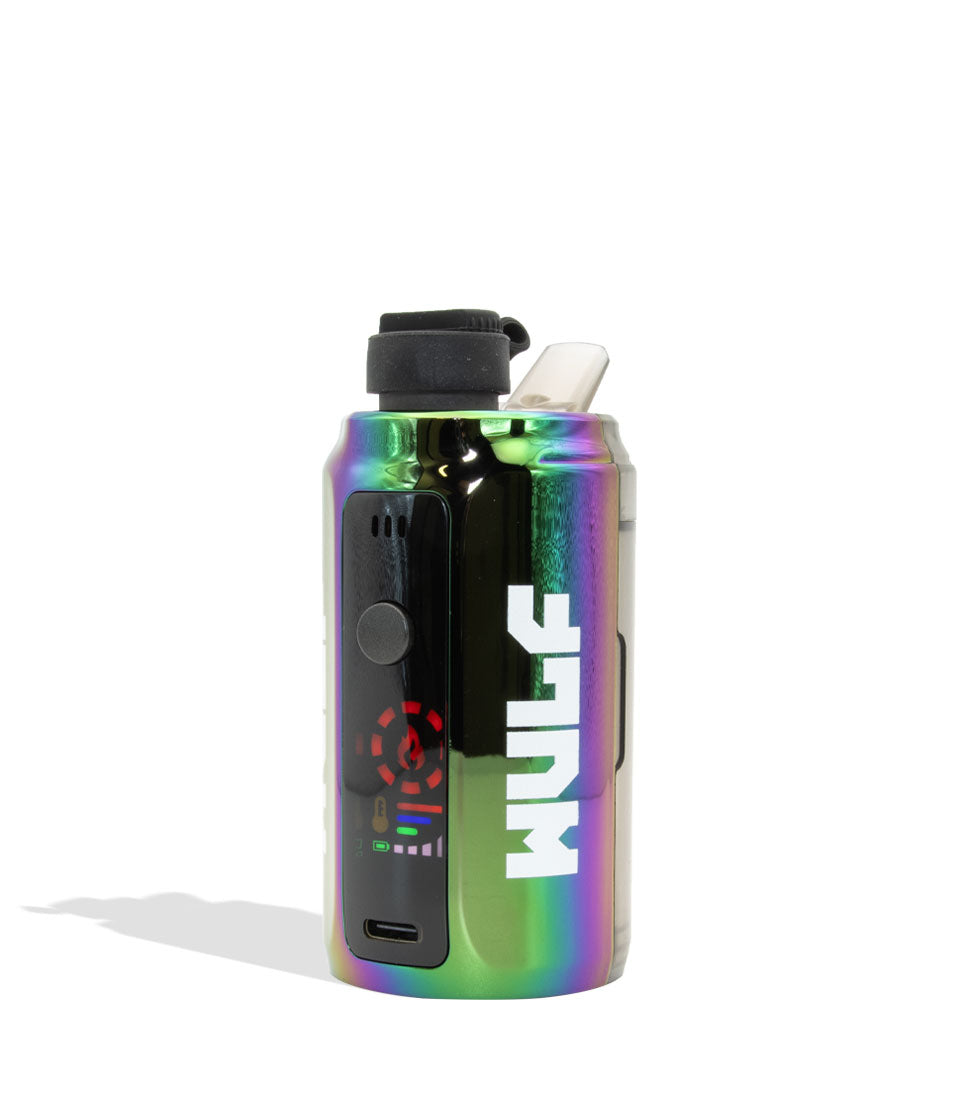
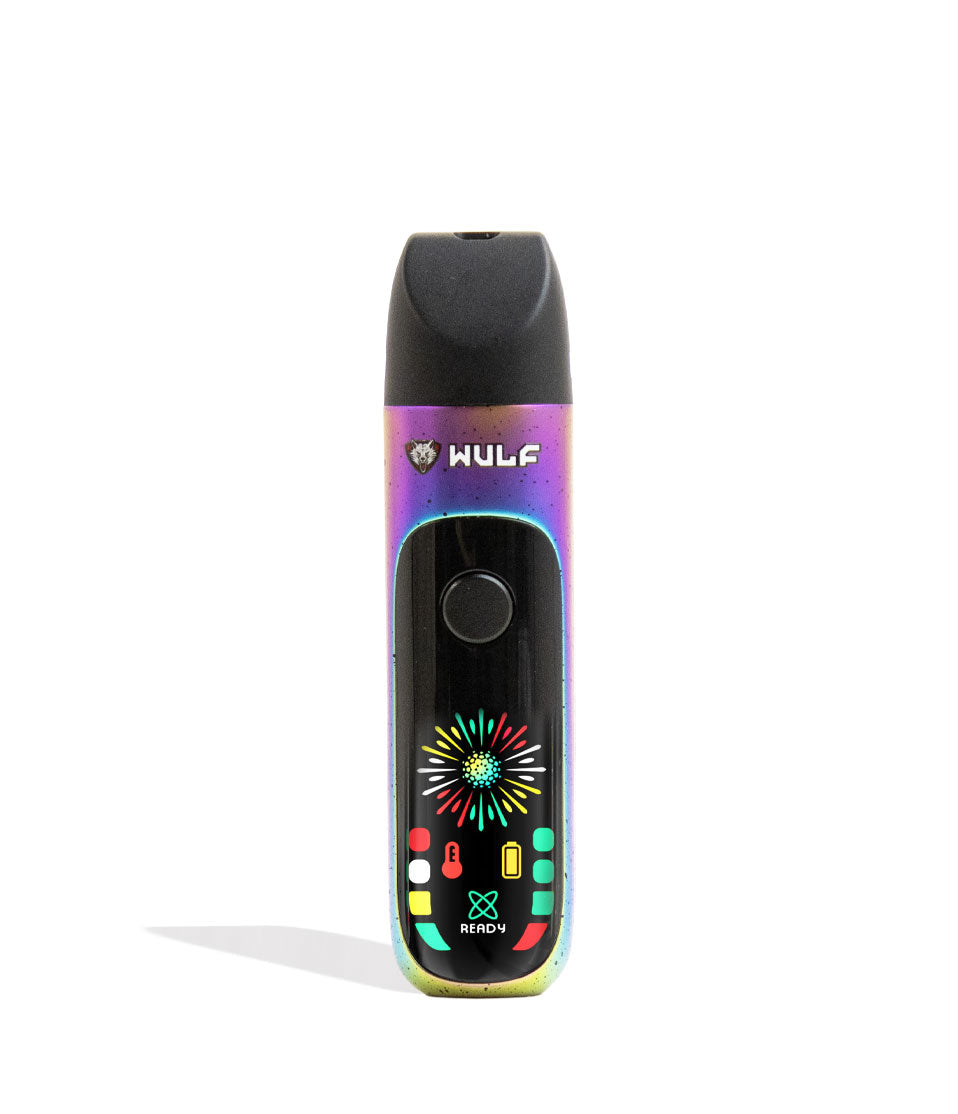
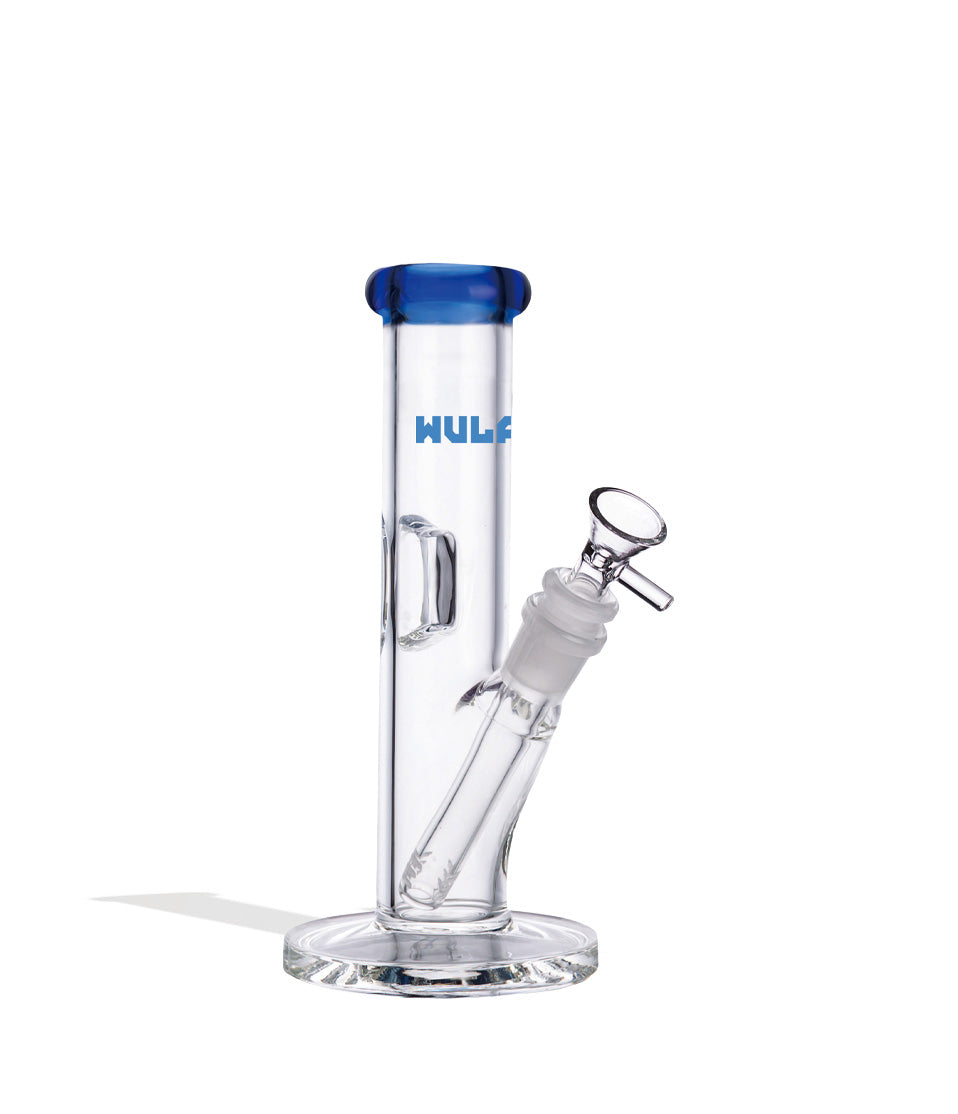
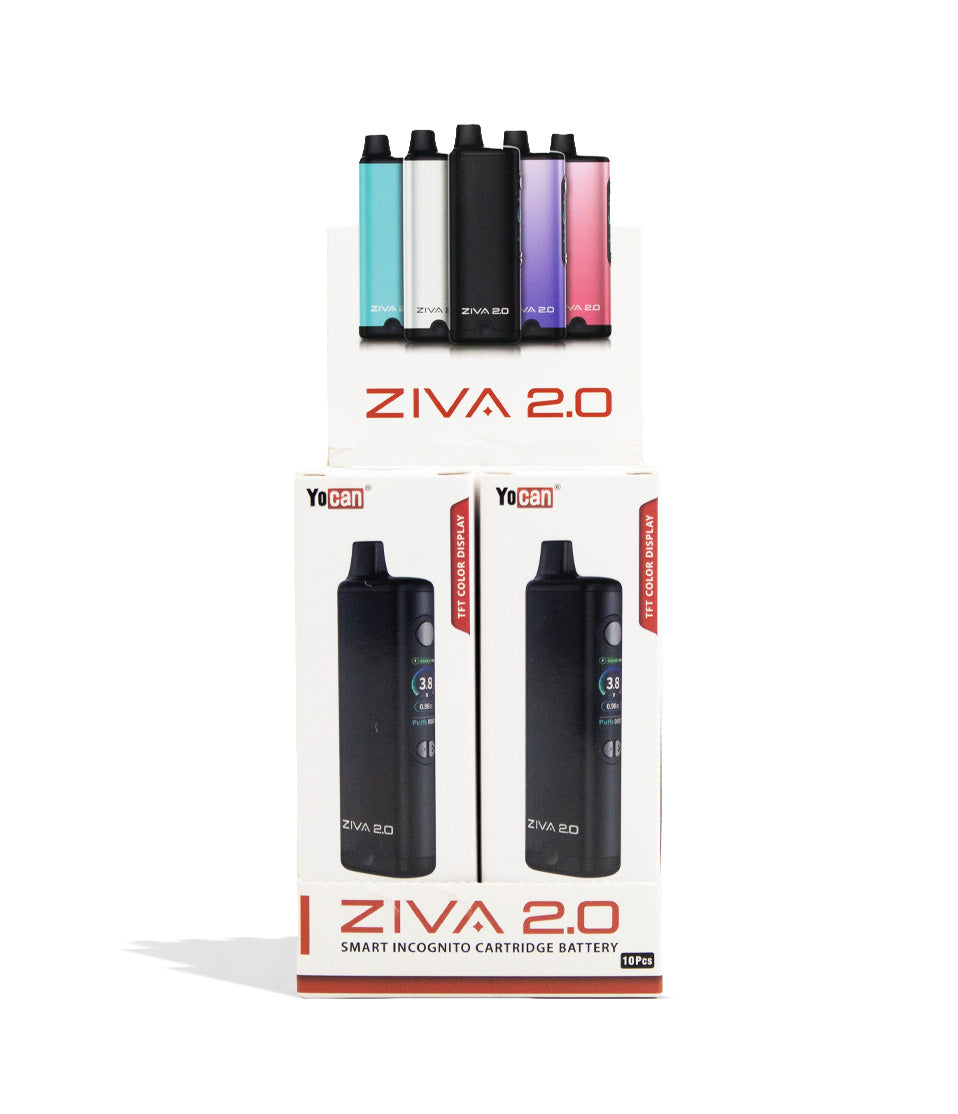
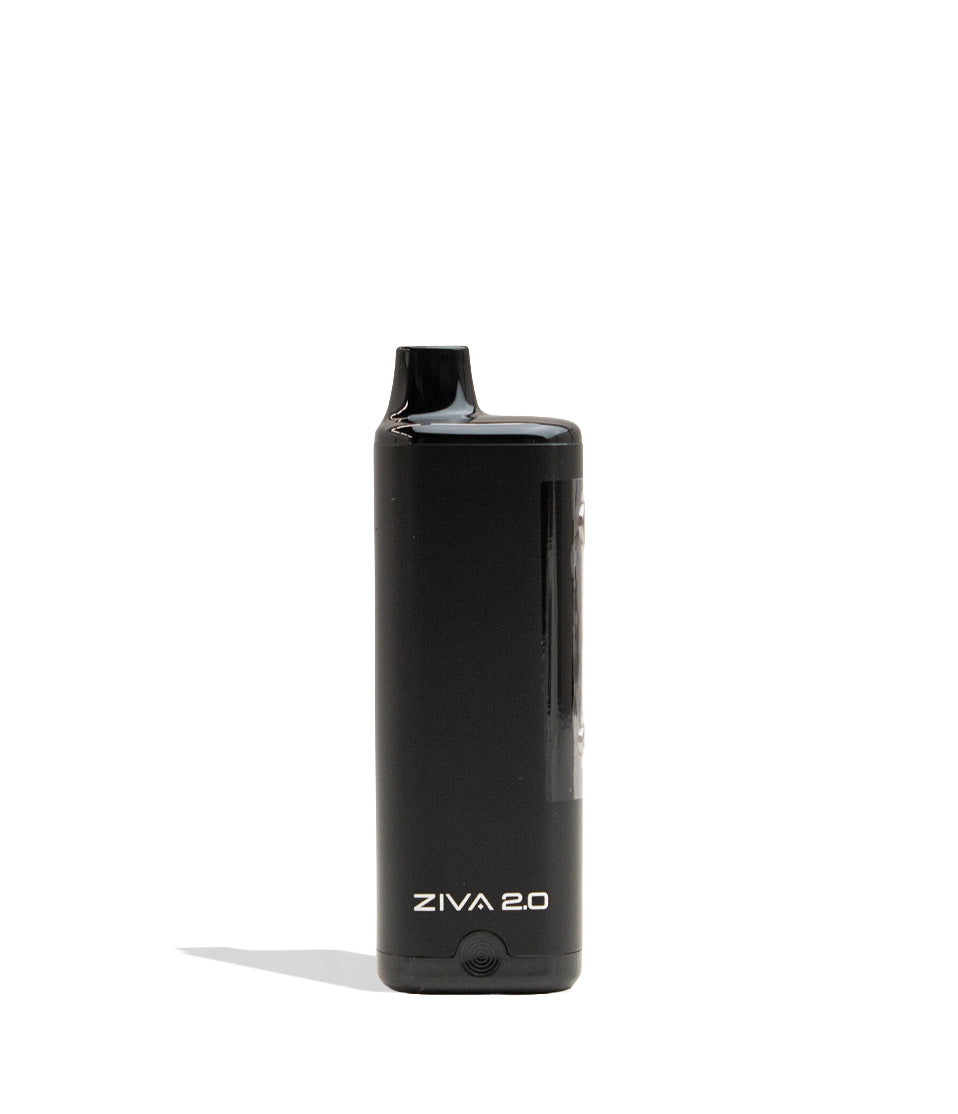
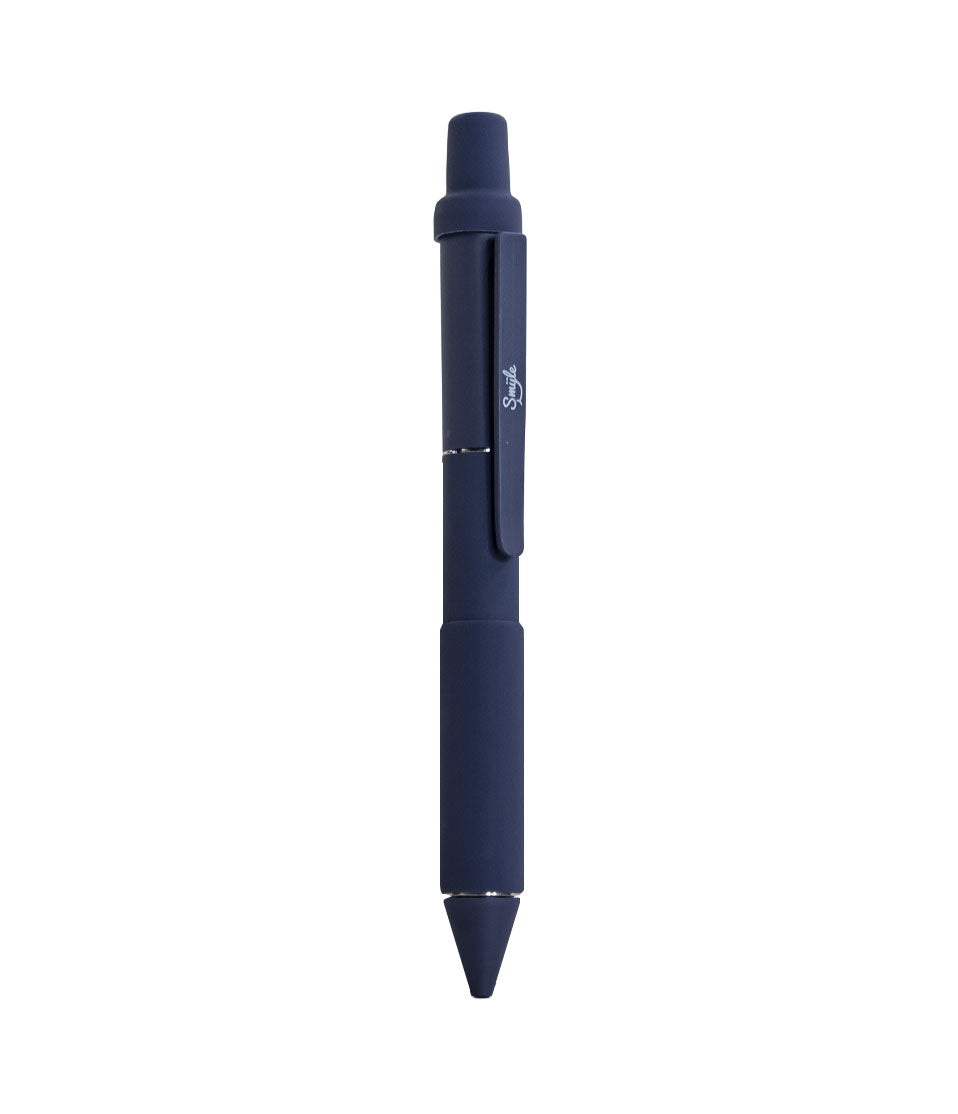
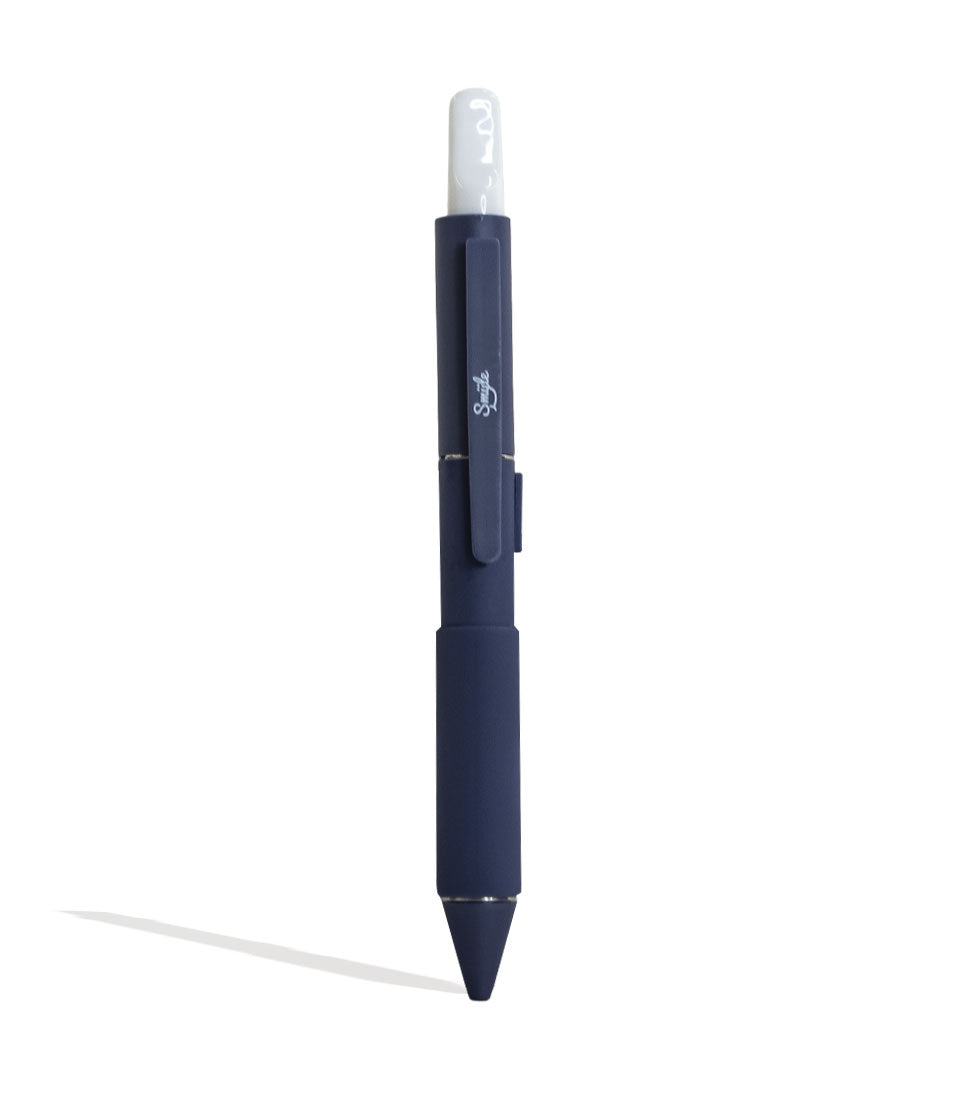
Stock up on the products featured throughout this guide, ready to add to your next wholesale order.





































Retailer Guide
Retailer Playbook
Read on for the full playbook: the practical steps, merchandising ideas, and retail strategy that turn this resource into action.
Running a smoke shop is about more than offering good product. The shops that stay open year after year are the ones that handle money with discipline. Smart financial management is what carries a store through slow seasons, funds the next round of inventory, and turns a busy month into lasting growth. This guide covers the four pillars that matter most: budgeting, cash flow, expense tracking, and pricing. Treat it as general information, not financial advice, and lean on a professional for decisions specific to your shop.
How Do You Budget Correctly?
A budget is the roadmap for your business finances. It tells you where money should go and flags when you are off course. Here is how to build and run one:
- Assess income and expenses. Document every source of income and sort your costs into categories: rent, utilities, inventory, wages, and marketing.
- Set financial goals. Define short and long term targets, such as revenue goals, margin goals, and expansion plans.
- Allocate by priority. Distribute funds to each category based on importance, and keep a reserve for the unexpected.
- Review and adjust. Check actual spending against your plan on a regular schedule so you can correct course early.
What Is Cash Flow Management?
Cash flow is the balance between money coming into your shop and money going out. Managing it well means you always have enough on hand to cover expenses and seize growth opportunities. A few practical habits:
- Forecast your cash flow. Estimate inflows and outflows for the month or quarter ahead so you can spot shortfalls before they hit.
- Manage receivables and payables. Encourage timely customer payments and negotiate fair credit terms with suppliers.
- Control inventory costs. Keep stock lean enough that you are not tying up cash in product that sits.
- Hold an emergency fund. A reserve covers surprise costs and slow stretches without throwing off the rest of the budget.
How Do You Track Expenses?
Accurate expense tracking is the foundation of every other decision. When you know exactly where money goes, you can find efficiencies and stop leaks:
- Use accounting software. Reliable accounting software keeps income, expenses, and transactions in real time view.
- Categorize expenses. Separate fixed costs like rent from variable ones so you can see what is adjustable.
- Review your statements. Read your profit and loss statements and balance sheets to spot trends and irregularities.
- Analyze patterns over time. Look for places to cut costs, renegotiate with suppliers, or trim spending that is not earning its keep.
How Does Pricing Tie Into Financial Health?
Pricing is where cost control meets revenue, and it has a direct line to your margins:
- Understand your cost structure. Calculate the full cost of each product, both direct costs like inventory and packaging and indirect costs like rent and utilities.
- Study the competition. Research what similar products sell for nearby so you know where you stand.
- Price for value. Reflect the real value your shop provides, not just the cost of the item.
- Bundle and upsell. Offer bundled packages or complementary add ons to lift the average sale.
- Monitor and adjust. Revisit prices as costs, demand, and competitors move.
Building a Financial Foundation That Lasts
Financial management is the backbone of a smoke shop that lasts. Budget with intention, manage cash flow closely, track expenses honestly, and price with your real costs in mind, and you give your shop the stability to handle whatever the market throws at it. Proactive money management does not just keep you out of trouble, it positions the business to grow.
This is general information, not financial advice, so confirm decisions specific to your shop with a qualified professional. Thanks for stopping in with the GVWS Crew, and explore the rest of our guides over at the Got Vape Wholesale Resource Center for more ways to strengthen your business.
Frequently Asked Questions
Retailer Guide FAQs
Answers to the questions buyers ask most, plus how to put each one to work in your next inventory decision.
How do I build a budget for my smoke shop?
What is cash flow management?
Why does expense tracking matter so much?
How does pricing affect my finances?
Is this financial advice?
GVWS Trust Center
About This Resource
Here is how the GVWS editorial team builds, checks, and keeps this retailer resource current for the buyers who rely on it.
Editorial Standards
- Written for the owners, buyers, and purchasing teams who stock independent shops.
- Edited for clarity, accuracy, and the kind of value you can act on at the counter.
- Grounded in current manufacturer specifications and product documentation wherever it is available.
- Revisited whenever products, regulations, category trends, or market conditions shift.
- Backed by more than two decades of wholesale distribution experience.
- Aimed at sharper inventory decisions for retailers, never end consumer purchasing advice.
Research Methodology
This retailer guide is built for the day to day calls independent smoke shops, dispensaries, vape shops, and convenience retailers make on business, inventory, and merchandising. What follows leans on wholesale operating experience, real retailer needs, how categories behave, and lessons tested on the floor.
- Hands-on wholesale retailer support
- Inventory planning and reorder timing
- Merchandising and category presentation
- Everyday operational questions from shops
- Product mix and assortment strategy
- Best practices that reach your customers
- More than twenty years serving independent retailers
Supporting Sources
Any sources behind this resource are listed here so retailers can trace the guidance and verify it for themselves.
Article Information
Intended Audience
- Independent Smoke Shops
- Vape Retailers
- Licensed Dispensaries
- Convenience Retailers
- Wholesale Buyers
- Purchasing Teams
Editorial Policy
The GVWS crew revisits these resources on a regular schedule so the guidance keeps pace with the market. As product specifications, regulations, category trends, or market conditions move, we refresh the article and stamp it with a new review date. Backed by more than two decades of serving independent retailers.
Continue Your Retailer Education
Related Resources
Keep building your edge with related GVWS resources, each picked to sharpen your inventory, category, and purchasing calls.

Retailer Guide
Burn rates and runways. What are they in relation to your smoke shop and how are they able to help your business strategy? Find...
Read Resource →
Retailer Guide
Thanks to a less than motivated economy, this year has been less than stellar when it comes to economic growth. That's why at G...
Read Resource →
Retailer Guide

Retailer Guide
Happy December Smoke Shop owners! In between the holiday rushes we recommend you take some time to review your 2024 fiscal year...
Read Resource →