

Wholesale Resource Center
How Can You Tell If an Online Store Sells Real THCA Flower?

Continue With This Resource
GVWS Quick Brief
What Retailers Should Know
Everything a buyer needs at a glance: the core points, the questions retailers ask, and the stocking guidance that follows below.
Overview
Key Takeaways
- Trust documentation over marketing. A real Certificate of Analysis (COA) is the single best proof of authentic flower.
- Check the cannabinoid and terpene profile, and confirm the flower's THCA occurs naturally rather than from spraying.
- Match the COA to the specific batch, with a clear batch number and recent test date.
- Verify hemp compliance: under the 2018 Farm Bill, hemp must stay at or below 0.3% Delta-9 THC by dry weight.
- Missing COAs, vague labels, or prices that look too good are warning signs to walk away from.
Questions This Resource Answers
- How can you verify real THCA flower online?
- What is a Certificate of Analysis and why does it matter?
- What signals a trustworthy THCA flower seller?
- How does THCA flower stay compliant under the Farm Bill?
- What are the red flags of fake or low-quality flower?
Recommended Products
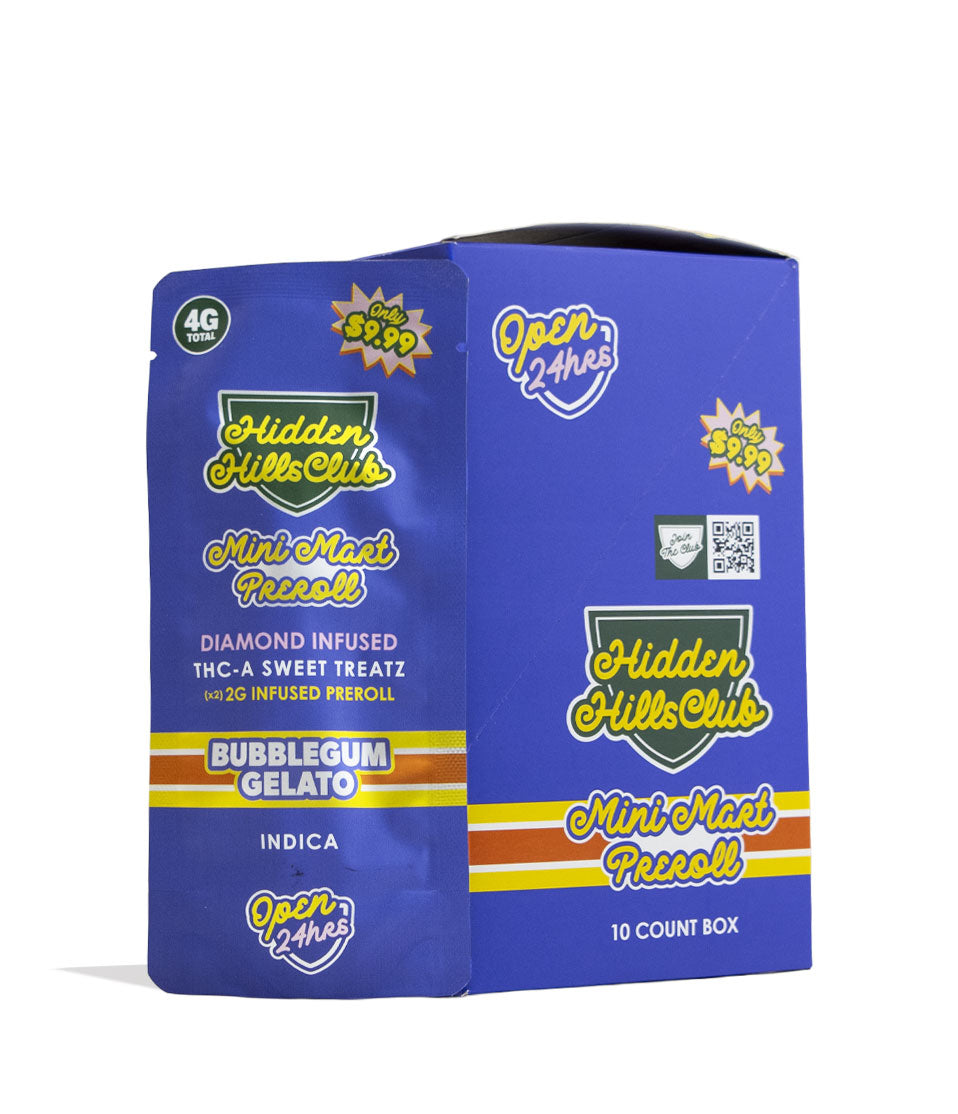
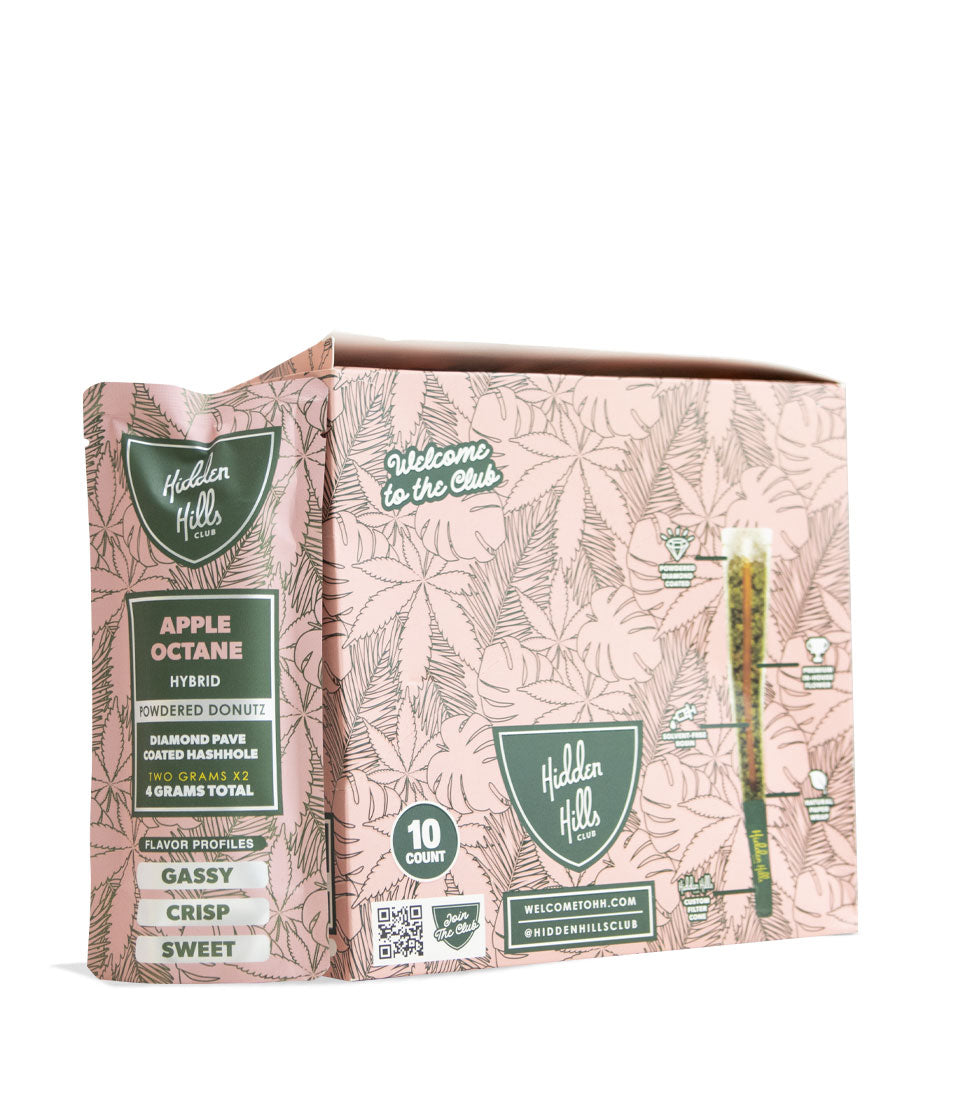
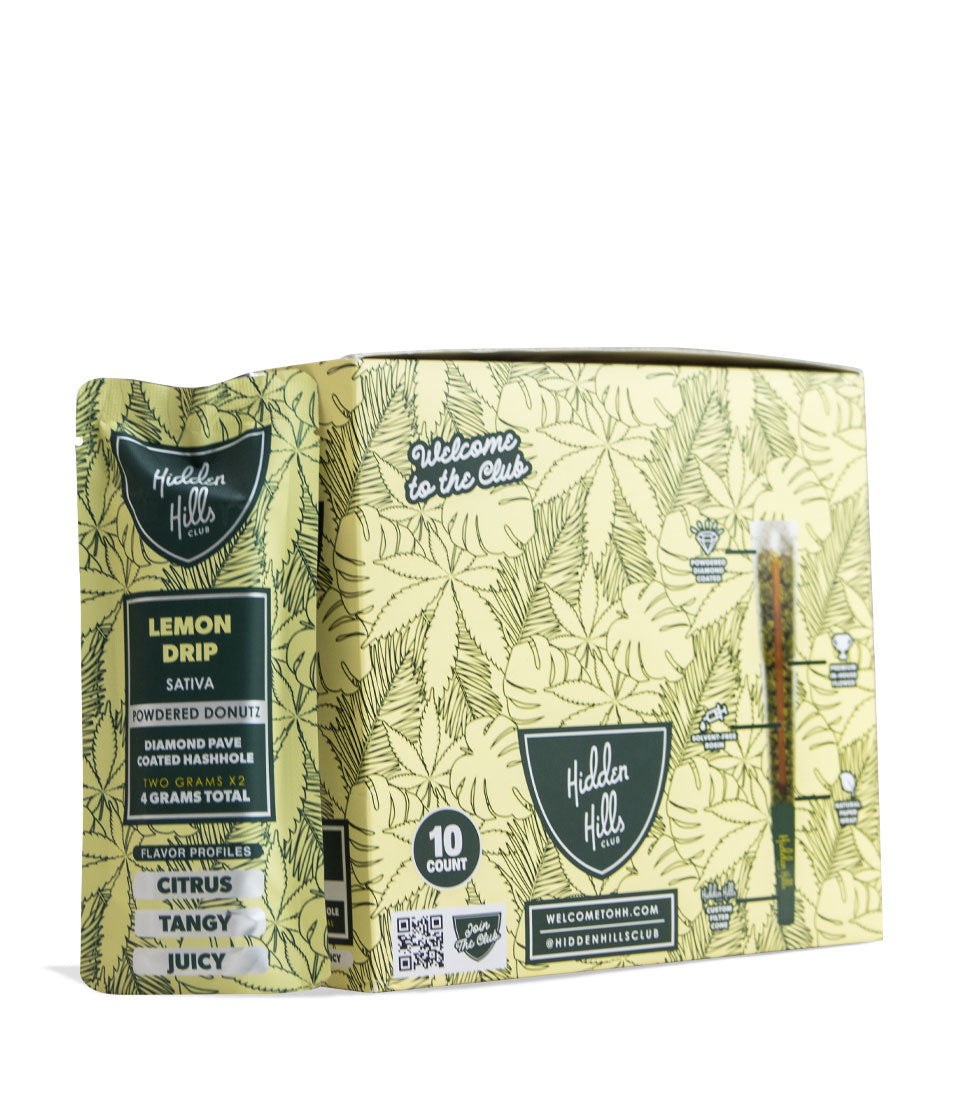
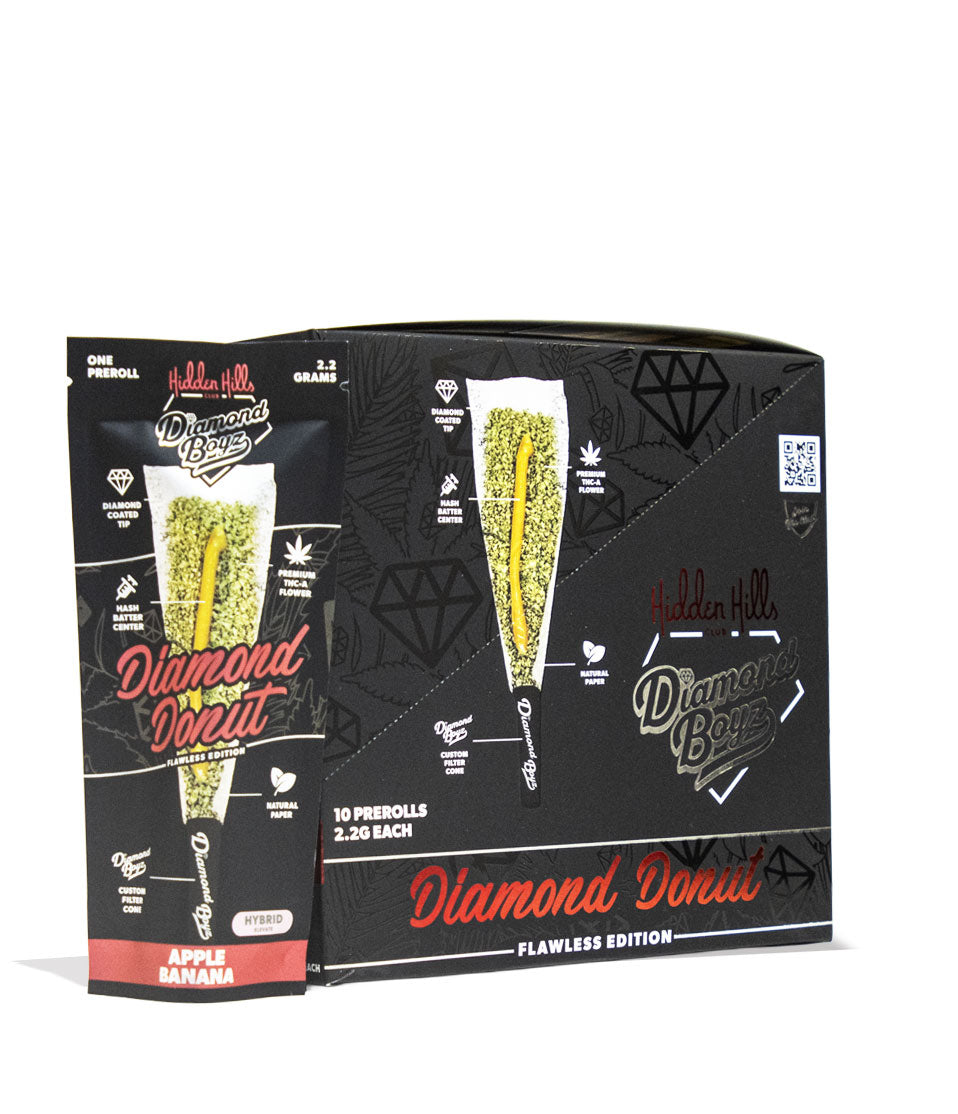
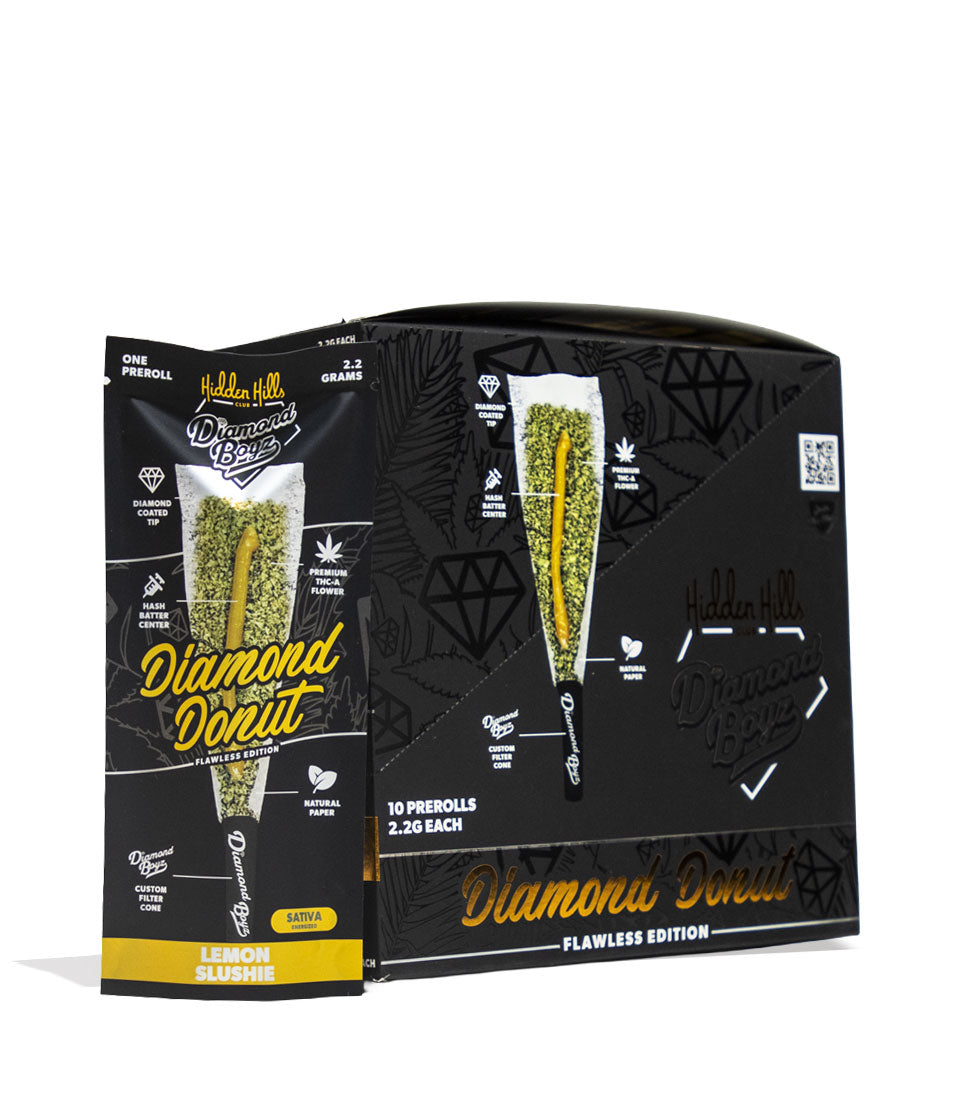
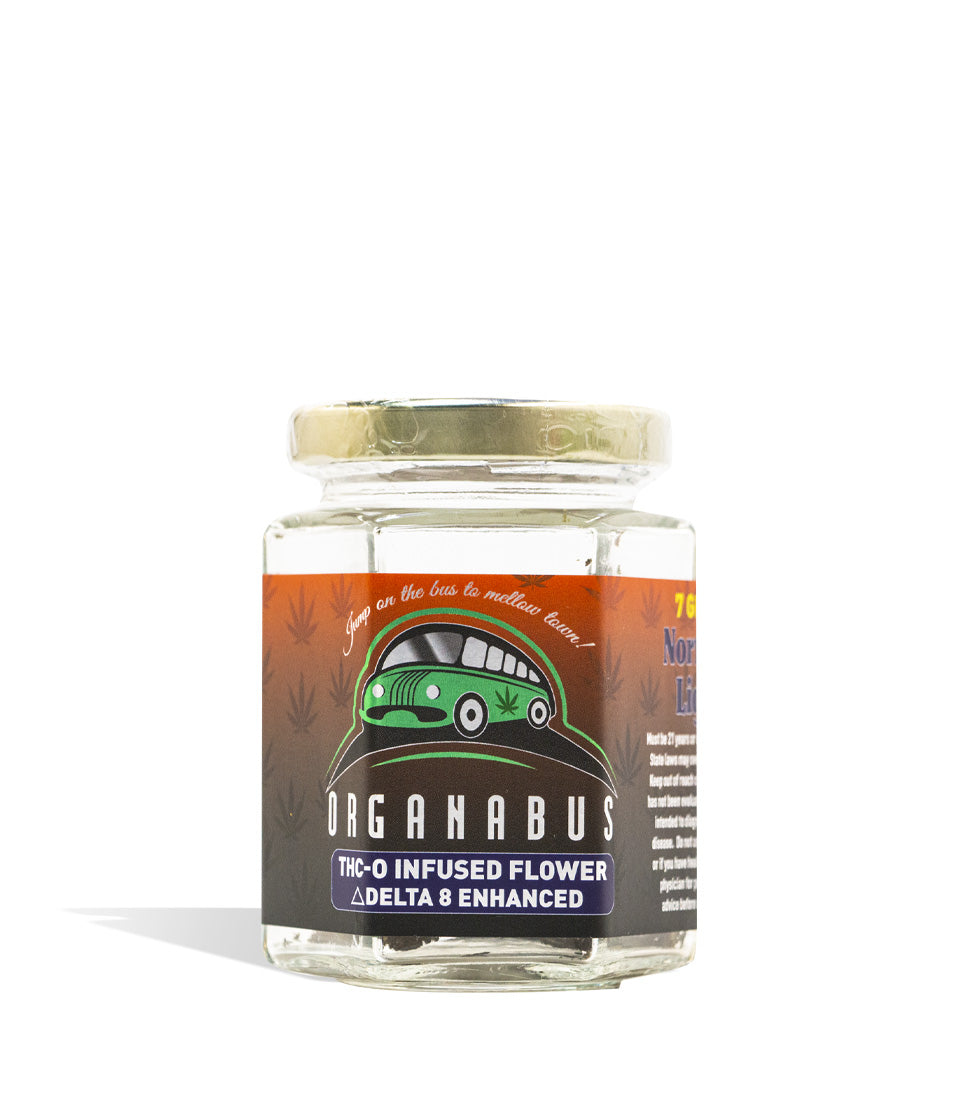
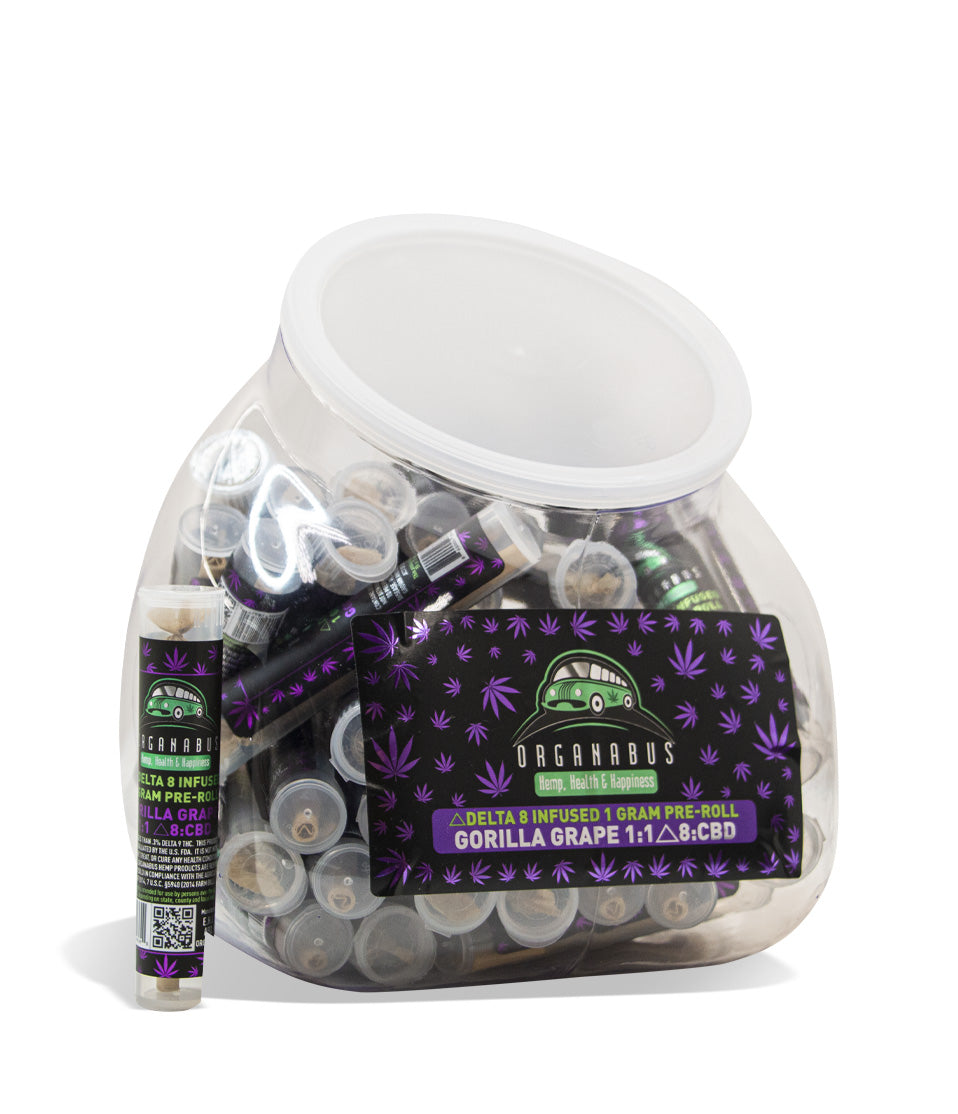
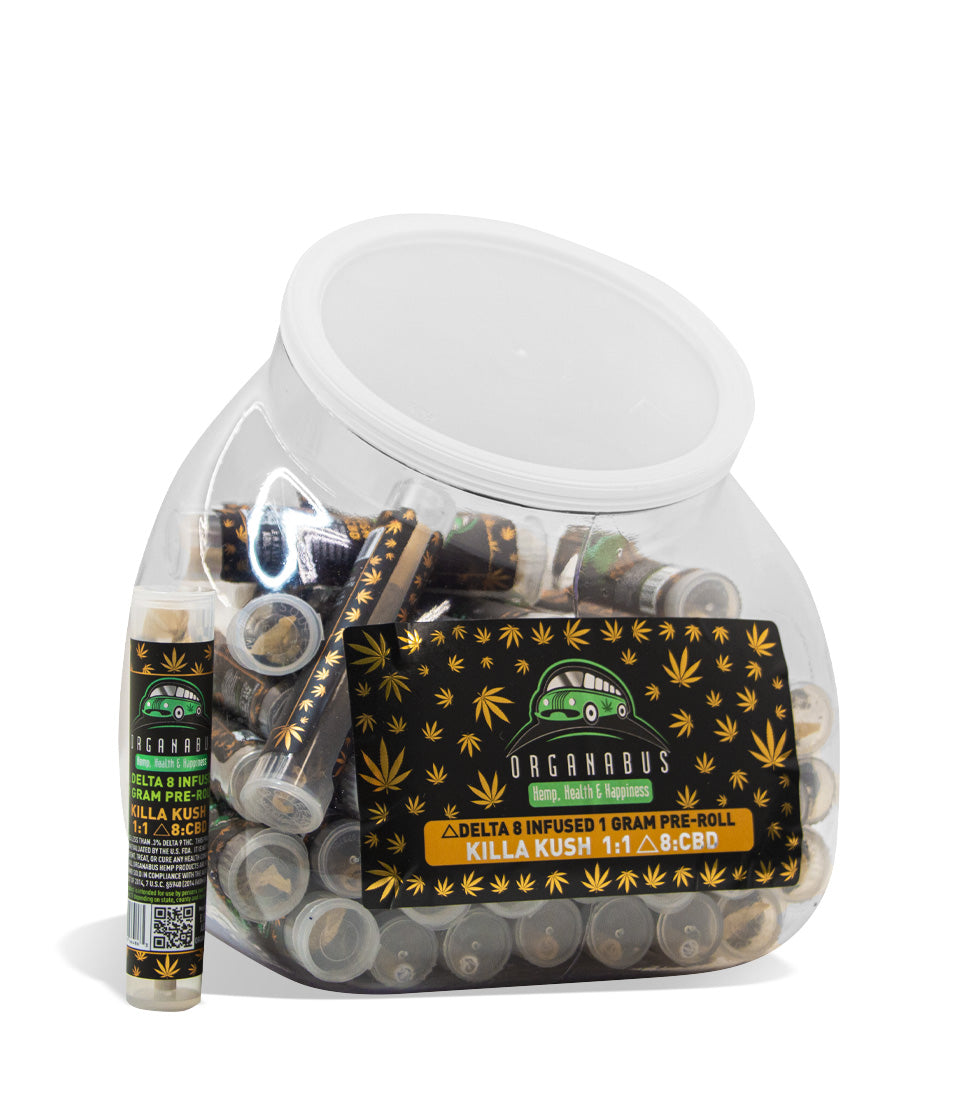
Shop Wholesale CBD Flower
Stock up on the products featured throughout this guide, ready to add to your next wholesale order.
Compliance
Compliance Guide
The guide ahead expands on the compliance context, retailer considerations, and the practical details that matter to wholesale buyers.
——–
Howdy all! For all of your benefit, we’ve dropped the following guest post from our friends at Dr. Ganja! Check out what they have to say and get the inside edge on THC-A flower, all courtesy of Got Vape Wholesale.
———
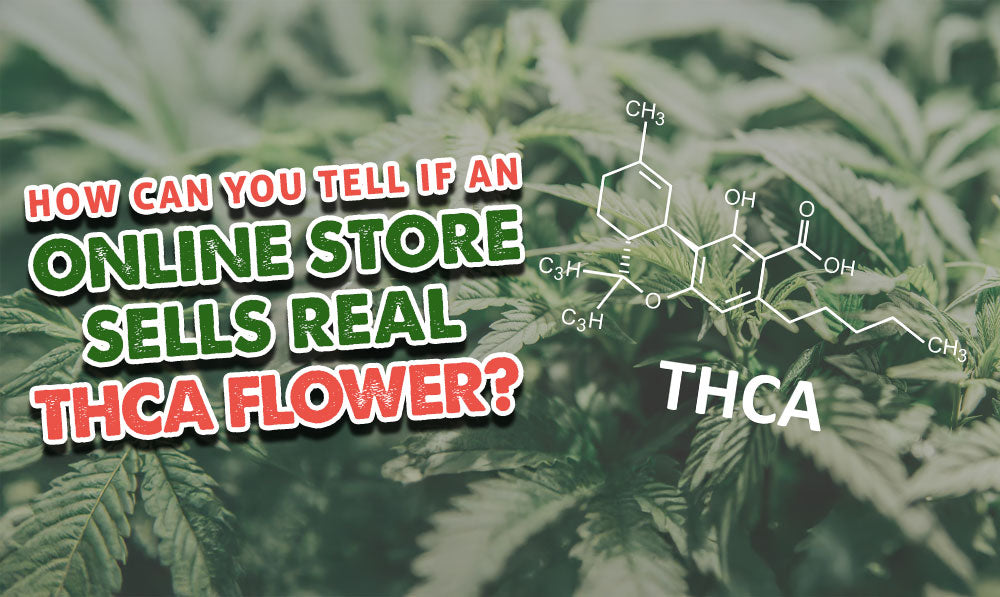
Finding the best place to buy THCA flower online can feel tricky, especially with stores claiming to sell “premium” or “organic” products that may not be what they seem. The market grows fast, and not every seller follows honest labeling or transparent testing. You can tell if an online store sells real THCA flower by checking for verified lab reports, detailed strain information, and proof that the flower’s THCA levels occur naturally rather than through chemical spraying.
A trusted store lists Certificates of Analysis from certified labs and provides terpene and cannabinoid data for each batch. Reputable shops also describe the flower’s genetics, aroma, and moisture content so buyers can confirm its authenticity. Exploring a well-documented selection of THCA Hemp Flower helps show what transparent, naturally grown buds should look like.
Understanding these indicators helps weed out false claims and protect your money. The sections ahead explain how to verify authentic THCA flower, recognize the signs of a credible store, and choose products that meet quality and safety expectations.
Table of Contents:
How to Verify Authentic THCA Flower Online
Examining the Certificate of Analysis (COA)
Checking Cannabinoid and Terpene Profiles
Reviewing THCA Percentage and Batch Information
Signs of a Trustworthy THCA Flower Store
Transparent Sourcing and Brand Integrity
Legal Compliance and the 2018 Farm Bill
Differentiating THCA, THC, and Hemp-Derived Products
In Conclusion
How to Verify Authentic THCA Flower Online
Authentic THCA flower has clear proof of content, safety, and origin. Buyers can confirm real products by checking lab documentation, reviewing chemical profiles, and matching test data with production details rather than relying on appearance or store claims.
Examining the Certificate of Analysis (COA)
A Certificate of Analysis (COA) verifies the chemical composition and safety of THCA flower. It must come from an independent, accredited lab that lists a license number and test date. The COA should match the specific batch number and harvest date shown on the product label, not a generic sample.
Look for a full-panel report that covers cannabinoids, terpenes, pesticides, heavy metals, and microbes. A limited report that lists only cannabinoids leaves important details unknown. The report should clearly state that the tested material is THCA hemp flower, not extract or distillate.
Shoppers can also check QR codes or links on packaging to confirm that the COA matches the product sold. A store that refuses to share this document may not sell authentic THCA flower.
Checking Cannabinoid and Terpene Profiles
The cannabinoid profile shows how much THCA, THC, CBD, and other compounds appear in the sample. Real THCA flower usually has a high THCA percentage, often between 15% and 30%, and a Delta-9 THC level under 0.3% to meet hemp rules. A high CBD level with high THCA content often signals that the flower was sprayed with a concentrate rather than naturally grown.
The terpene profile reveals aromatic compounds like myrcene, limonene, and caryophyllene. Real flower tends to have a total between 1.5% and 3%. Lack of terpene data, missing results, or no listed compounds may point to poor testing or altered material.
Both profiles also help verify strain authenticity. If a strain known for mild potency displays unusually strong results, it may have been manipulated.
Reviewing THCA Percentage and Batch Information
Each batch of authentic THCA flower should include a label that lists its THCA percentage, batch number, and harvest date. These details track how the flower was grown, processed, and tested. Consistent information builds confidence that the product came from a real cultivation source.
Buyers should compare the THCA content listed on the COA with what the store advertises. Large gaps between lab data and marketing claims are a concern. The batch number also helps trace earlier or later test results, showing how stable product quality remains over time.
If a product lacks a batch code or displays reused lab data, it may not come from a legitimate harvest. Careful comparison of these details helps separate authentic THCA flower from altered or mislabeled stock.
Signs of a Trustworthy THCA Flower Store
A legitimate THC‑A flower seller values transparency, follows hemp laws under the 2018 Farm Bill, and distinguishes between hemp‑derived products and high‑THC cannabis. Buyers can confirm authenticity by reviewing product data, understanding source practices, and checking for legal compliance.
Transparent Sourcing and Brand Integrity
A serious THCA flower store provides full details about how and where the hemp was grown. Customers should see clear information on cultivation methods, harvest dates, and lab testing. A Certificate of Analysis (COA) from an independent lab verifies the levels of tetrahydrocannabinolic acid (THCA), delta‑9 THC, and other cannabinoids.
Stores that value integrity never hide their sourcing. They identify the grower or region and specify if the flower came from indoor, outdoor, or greenhouse cultivation. This level of detail shows confidence in product quality.
Buyers should also look for freshness. Hemp flower that was stored improperly loses aroma and potency fast. Reputable shops explain how they preserve product quality through sealed packaging and stable storage temperature. Clear, traceable sourcing builds trust and allows customers to make informed choices.
Legal Compliance and the 2018 Farm Bill
Any store selling THCA flower must follow the 2018 Farm Bill, which sets the federal definition of hemp. Hemp must contain no more than 0.3% delta‑9 THC on a dry‑weight basis. Retailers that operate within this rule sell products derived from lawful hemp plants, not marijuana under federal law.
A trustworthy seller lists compliance details and often includes batch numbers tied to lab results. This allows customers to verify that the THCA flower meets legal limits before purchase. Stores that avoid discussing compliance or THC content may not meet federal or state standards.
Because states have separate rules, professional retailers usually warn customers to confirm local regulations. This respect for legal boundaries protects both the buyer and the business.
Differentiating THCA, THC, and Hemp-Derived Products
Many consumers confuse THCA, THC, and hemp‑derived THC. THCA stands for tetrahydrocannabinolic acid, the non‑psychoactive form found naturally in raw hemp flower. Through decarboxylation—a process caused by heat—THCA converts into delta‑9 THC, which produces the intoxicating effect associated with cannabis.
A credible THCA retailer explains this difference clearly. They note that their flower stays within legal THC limits until heated. This honesty prevents false impressions about potency or legality.
Buyers should check product labels for both THCA and delta‑9 THC percentages. Honest stores describe these cannabinoids separately, which helps customers understand what they are buying. Clear education about how THCA behaves under heat differentiates genuine hemp sellers from misleading ones.
In Conclusion
They can protect themselves from fake THCA flowers by focusing on transparency and facts. A store that sells real products always provides third-party lab reports, clear batch numbers, and easy ways to verify test results. Honest sellers also describe strain details, growing methods, and THC content without vague claims.
Customers should stay alert to signs of low quality, such as missing COAs, unclear product labels, or prices that appear unusually low. Each of these warning points to poor accountability.
Real THCA flower comes from stores that follow the law, support clear labeling, and invite questions. By learning to read lab results and research a seller’s background, buyers can shop with confidence and avoid weak or contaminated products.
Frequently Asked Questions
Compliance FAQs
Answers to the questions buyers ask most, plus how to put each one to work in your next inventory decision.
What is a Certificate of Analysis (COA)?
How do I know THCA flower is real and not sprayed?
Is THCA flower legal?
What makes a THCA flower seller trustworthy?
What THCA percentage is normal?
What are the warning signs of fake flower?
GVWS Trust Center
About This Resource
Here is how the GVWS editorial team builds, checks, and keeps this retailer resource current for the buyers who rely on it.
Editorial Standards
- Written for the owners, buyers, and purchasing teams who stock independent shops.
- Edited for clarity, accuracy, and the kind of value you can act on at the counter.
- Grounded in current manufacturer specifications and product documentation wherever it is available.
- Revisited whenever products, regulations, category trends, or market conditions shift.
- Backed by more than two decades of wholesale distribution experience.
- Aimed at sharper inventory decisions for retailers, never end consumer purchasing advice.
Research Methodology
This compliance resource is general retailer education, drawn from public information, industry documentation, and our own wholesale operating experience. Treat it as a starting point for understanding the key considerations, not as legal advice.
- Publicly available regulatory and compliance information
- Industry documentation and policy references
- Wholesale operating considerations
- Retailer-facing risk and process awareness
- Product category relevance where applicable
- An editorial pass for clarity and usefulness
- Not legal advice; consult qualified counsel when it matters
Supporting Sources
Any sources behind this resource are listed here so retailers can trace the guidance and verify it for themselves.
Article Information
Intended Audience
- Independent Smoke Shops
- Vape Retailers
- Licensed Dispensaries
- Convenience Retailers
- Wholesale Buyers
- Purchasing Teams
Editorial Policy
The GVWS crew revisits these resources on a regular schedule so the guidance keeps pace with the market. As product specifications, regulations, category trends, or market conditions move, we refresh the article and stamp it with a new review date. Backed by more than two decades of serving independent retailers.
Continue Your Retailer Education
Related Resources
Keep building your edge with related GVWS resources, each picked to sharpen your inventory, category, and purchasing calls.
Product Launch
Hidden Hills Lil Buds THC-A Flower is here to change the game with their elite potency, presentation, and performance creating ...
Read Resource →
Category Guide
At Got Vape Wholesale, we think you should be taking a second look at the profit margins offered up on a silver platter by CBD ...
Read Resource →
Compliance
The federal government has just closed the 2018 Farm Bill loophole that allowed for the existence of the legal hemp market. Fin...
Read Resource →
Best Of List
Discover the best B2B trade shows for smoke shop owners to attend in 2026 with Got Vape Wholesale. Learn which shows are worth ...
Read Resource →