

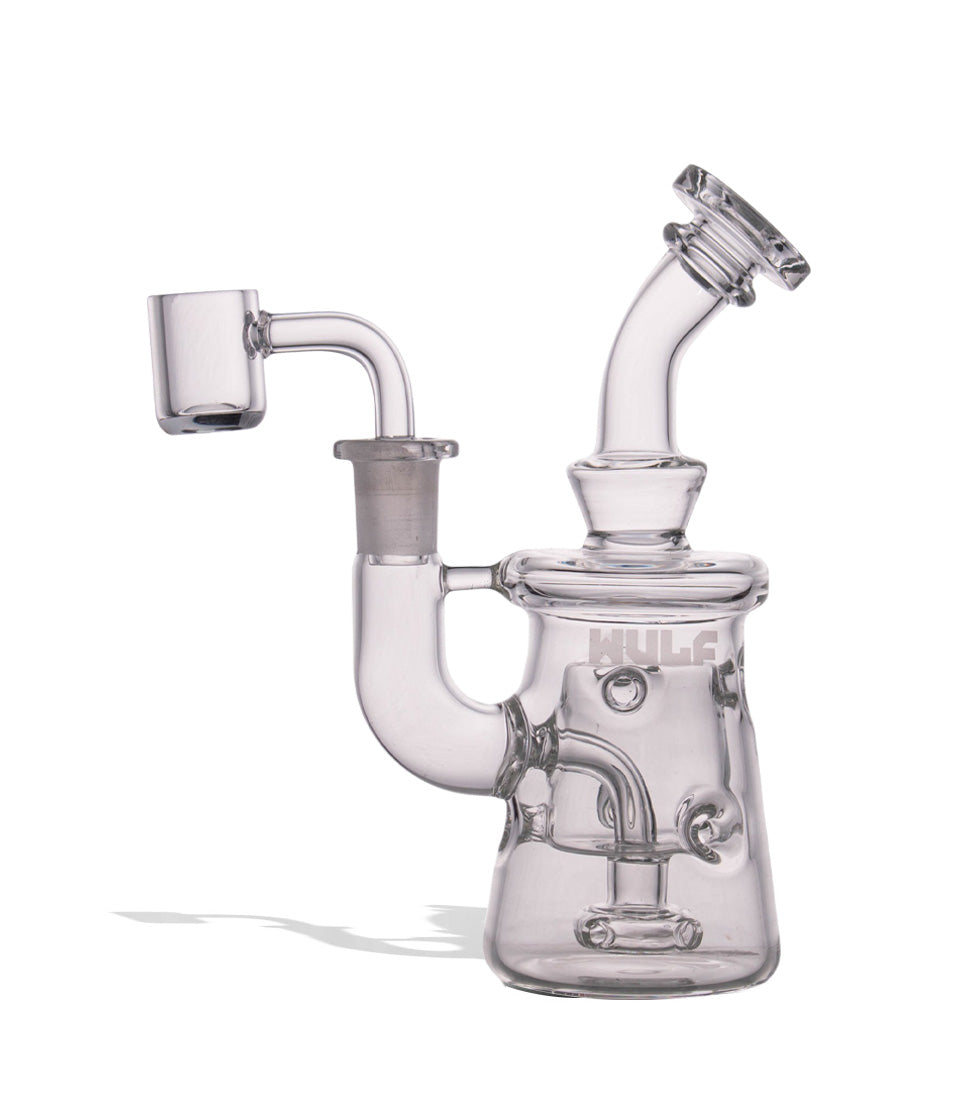
Wholesale Resource Center
How Much Money Can Smoke Shop Owners Make in a Year?

Continue With This Resource
GVWS Quick Brief
What Retailers Should Know
Everything a buyer needs at a glance: the core points, the questions retailers ask, and the stocking guidance that follows below.
Overview
Key Takeaways
- There is no guaranteed income figure for a smoke shop. Results vary widely by store.
- Location, store size, product mix, pricing, and operations are the biggest factors.
- Strong product selection and current demand like disposables support healthier sales.
- Marketing, customer experience, and an online presence all help drive revenue.
- Operational efficiency and inventory control protect margin as much as sales do.
- Set goals from your own numbers, not from headline income claims.
Questions This Resource Answers
- What drives how much a smoke shop earns?
- How much can income vary between shops?
- Which factors most affect revenue?
- What strategies can help increase income?
- What challenges should owners plan for?
Recommended Products
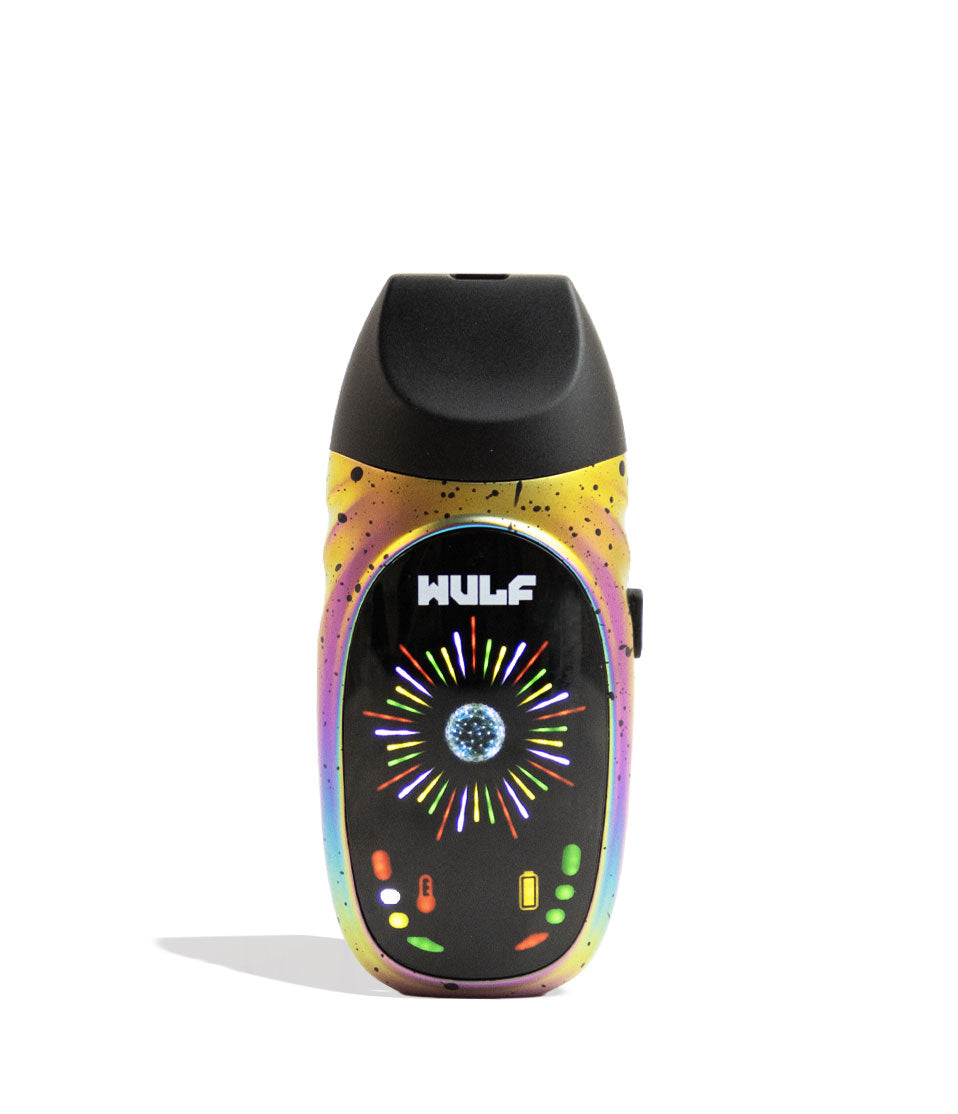
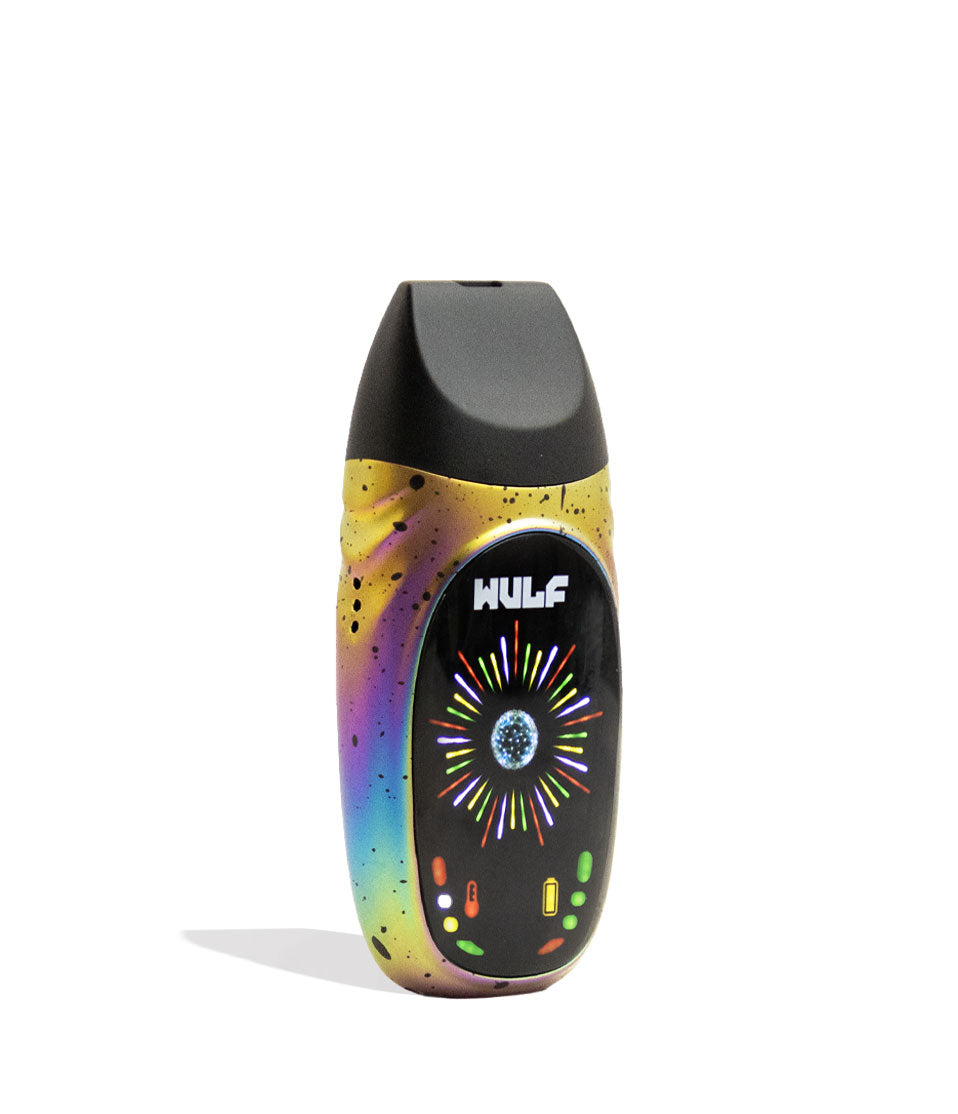
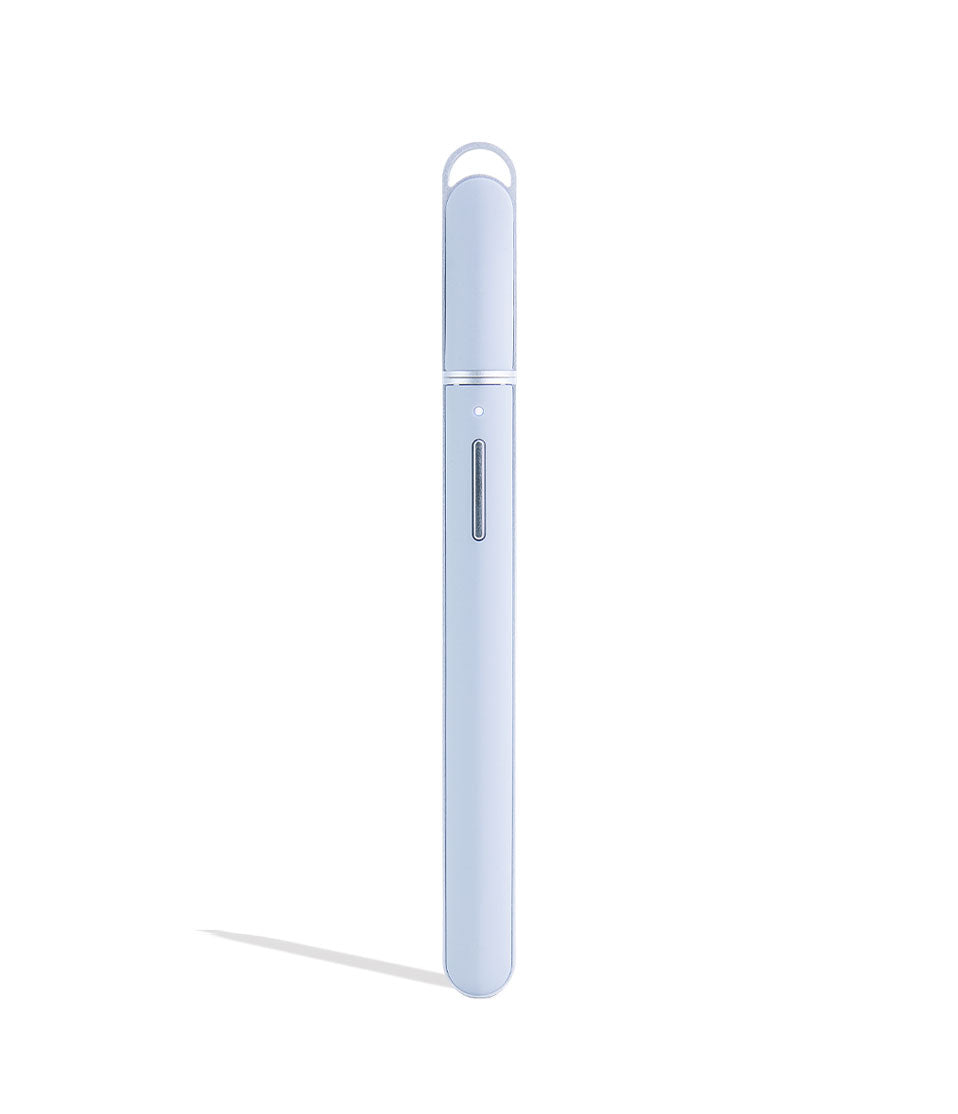
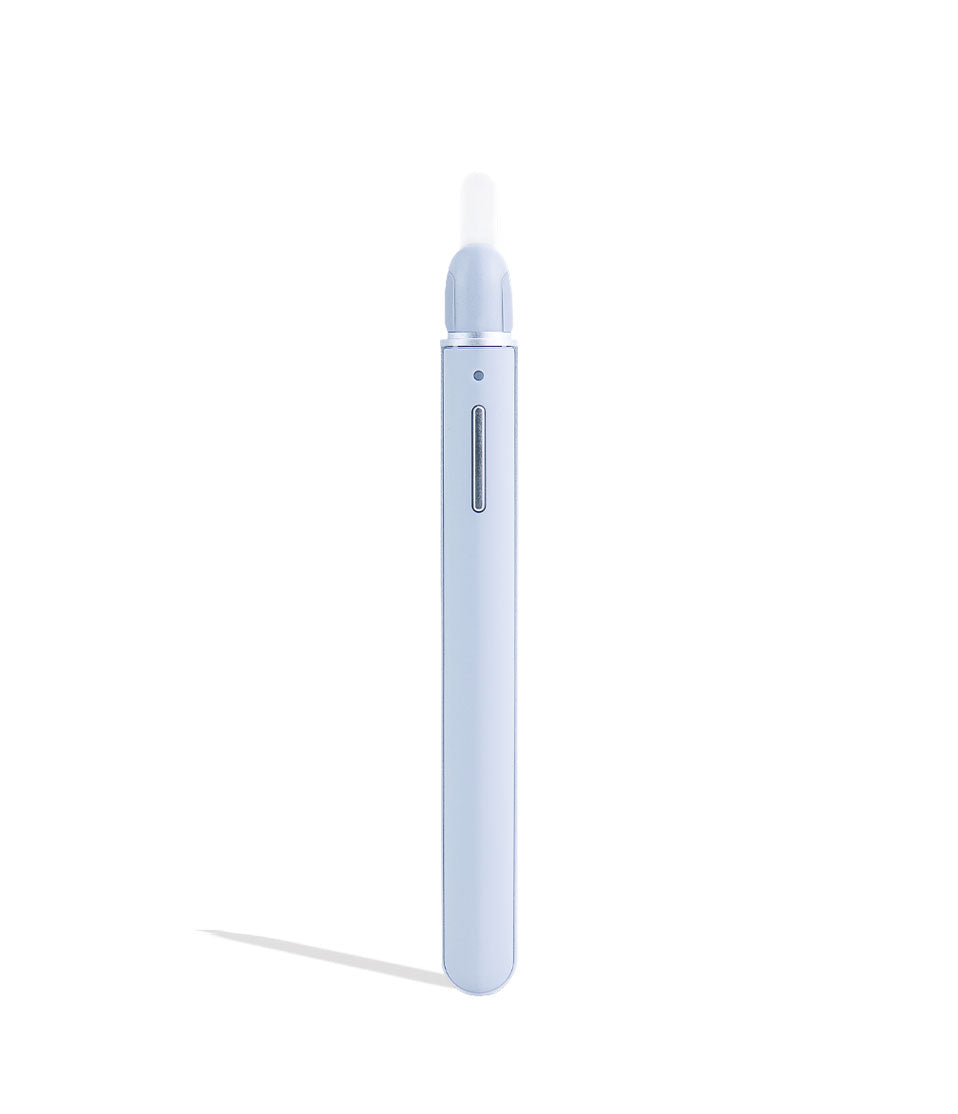
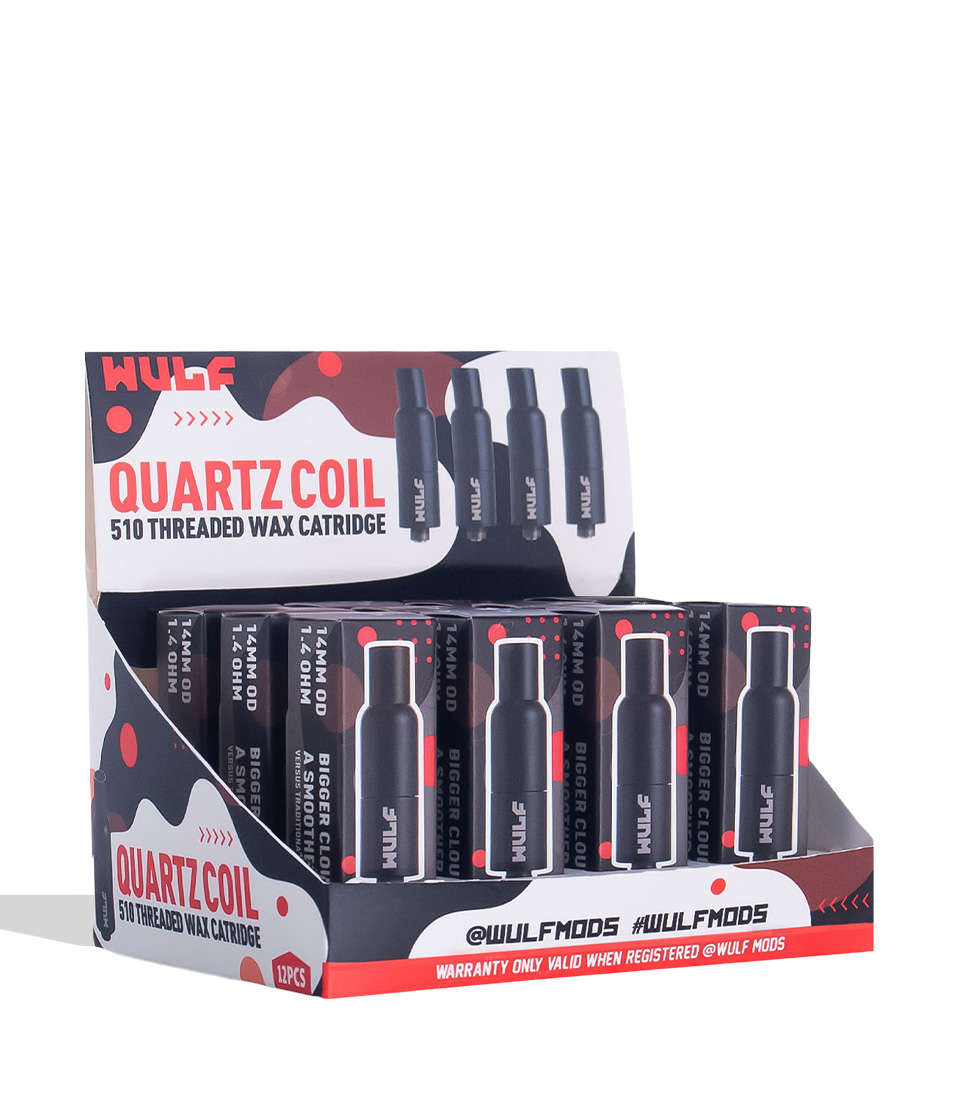
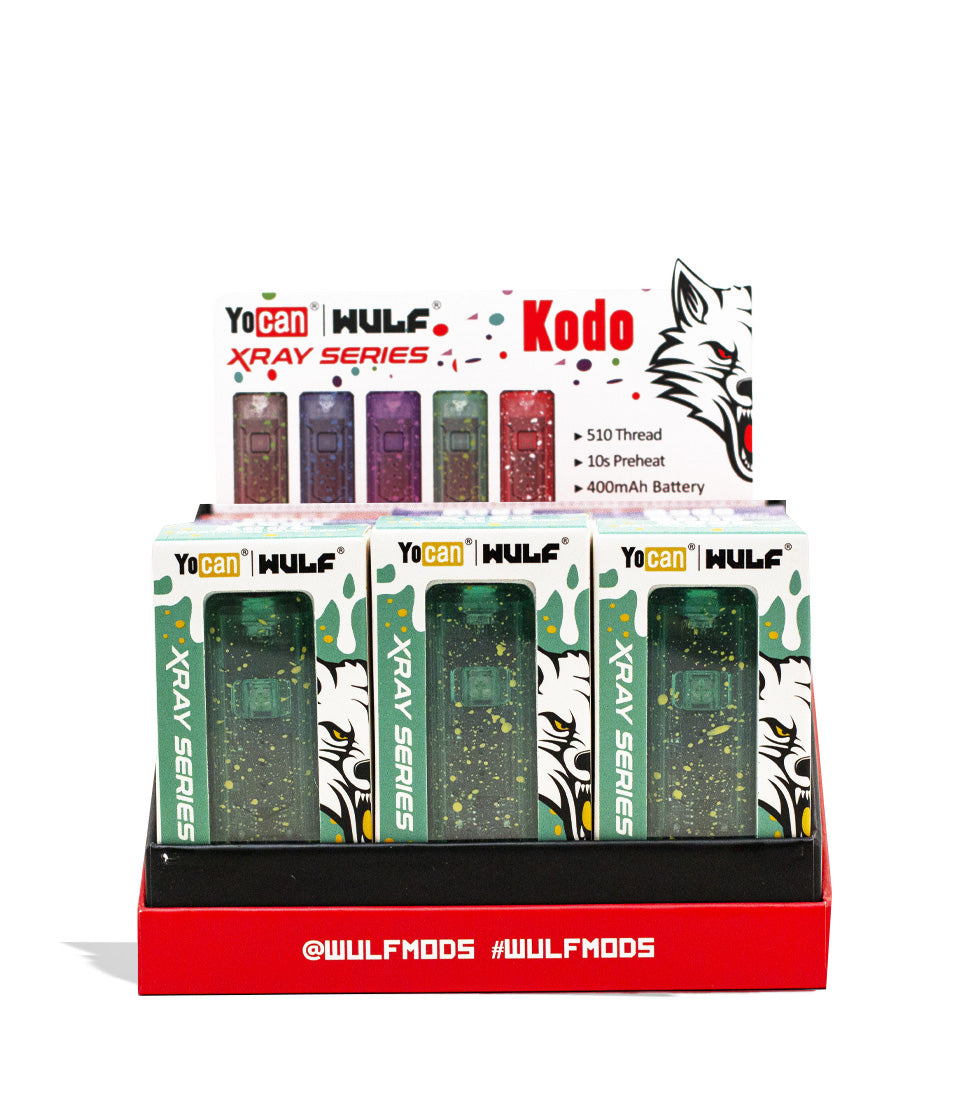
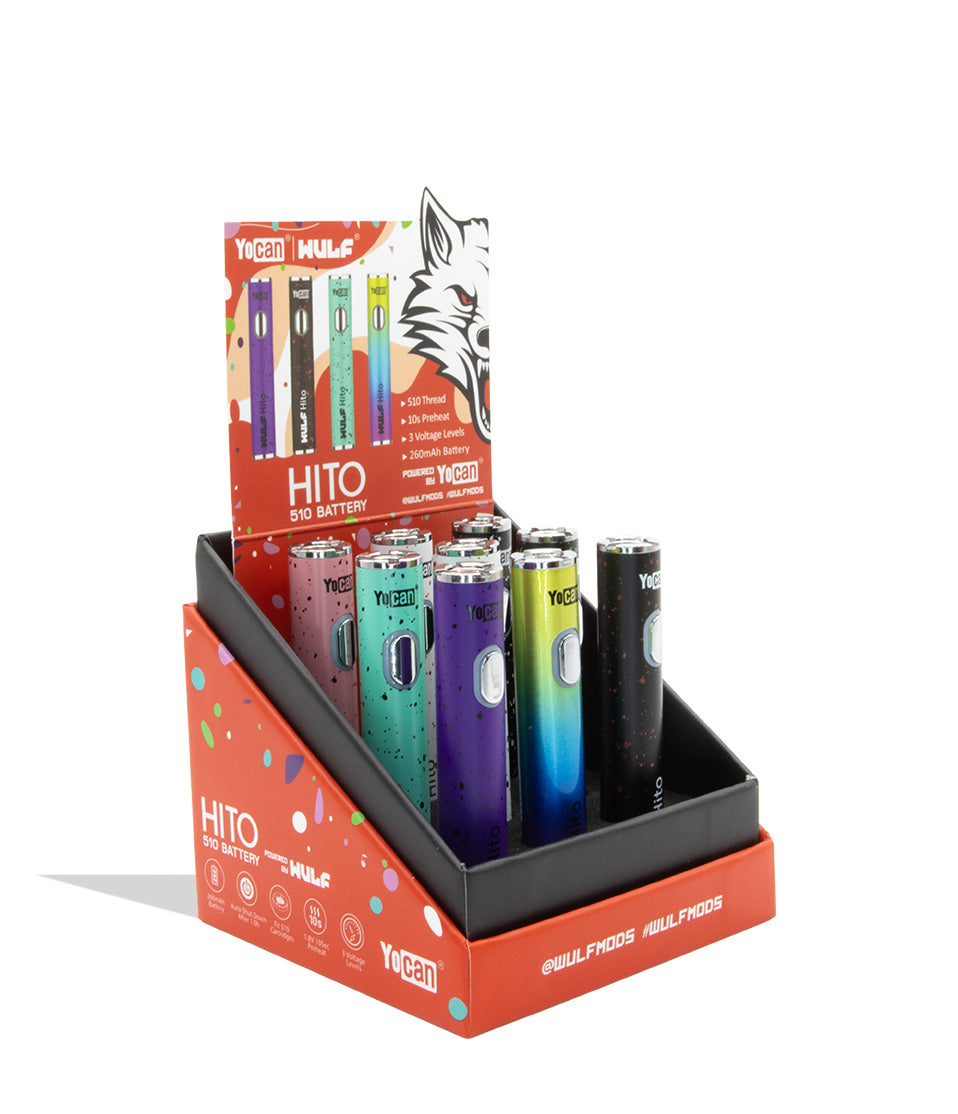
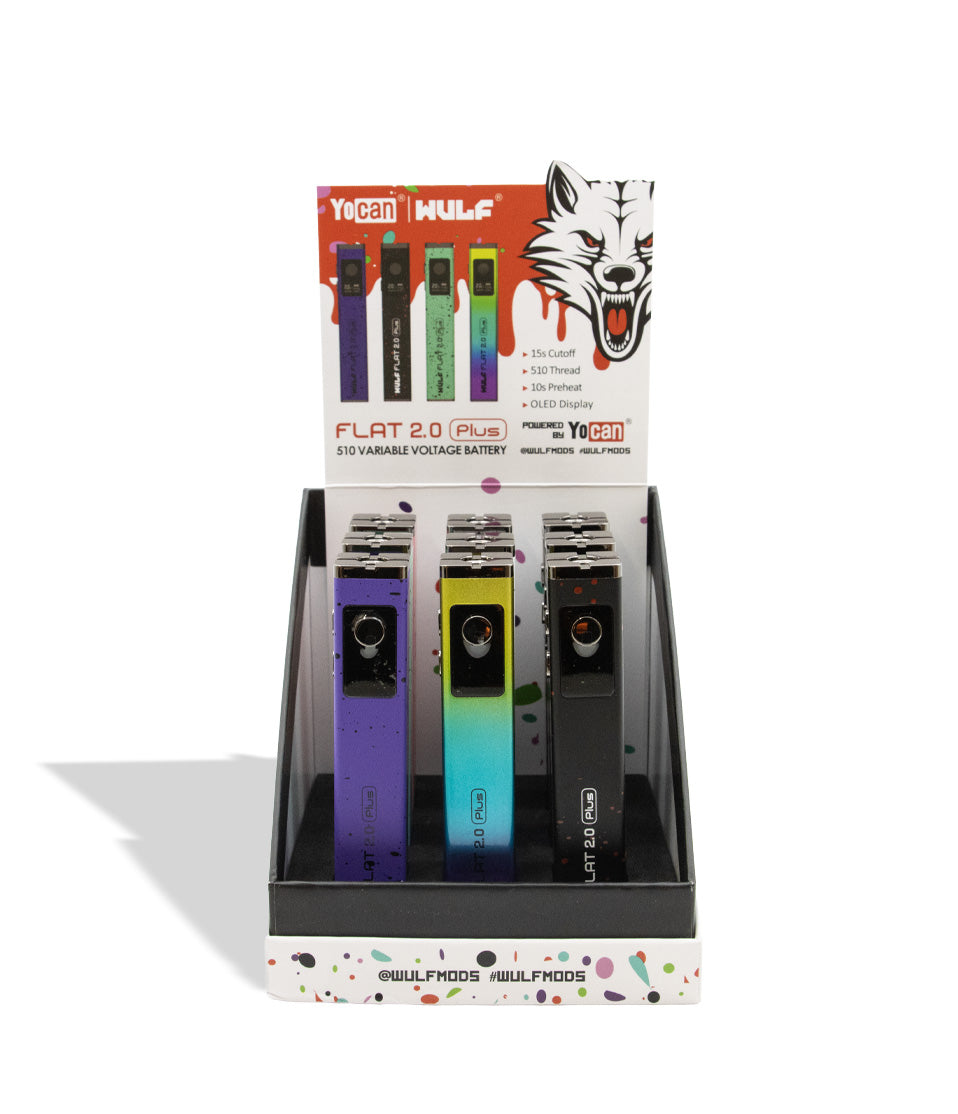
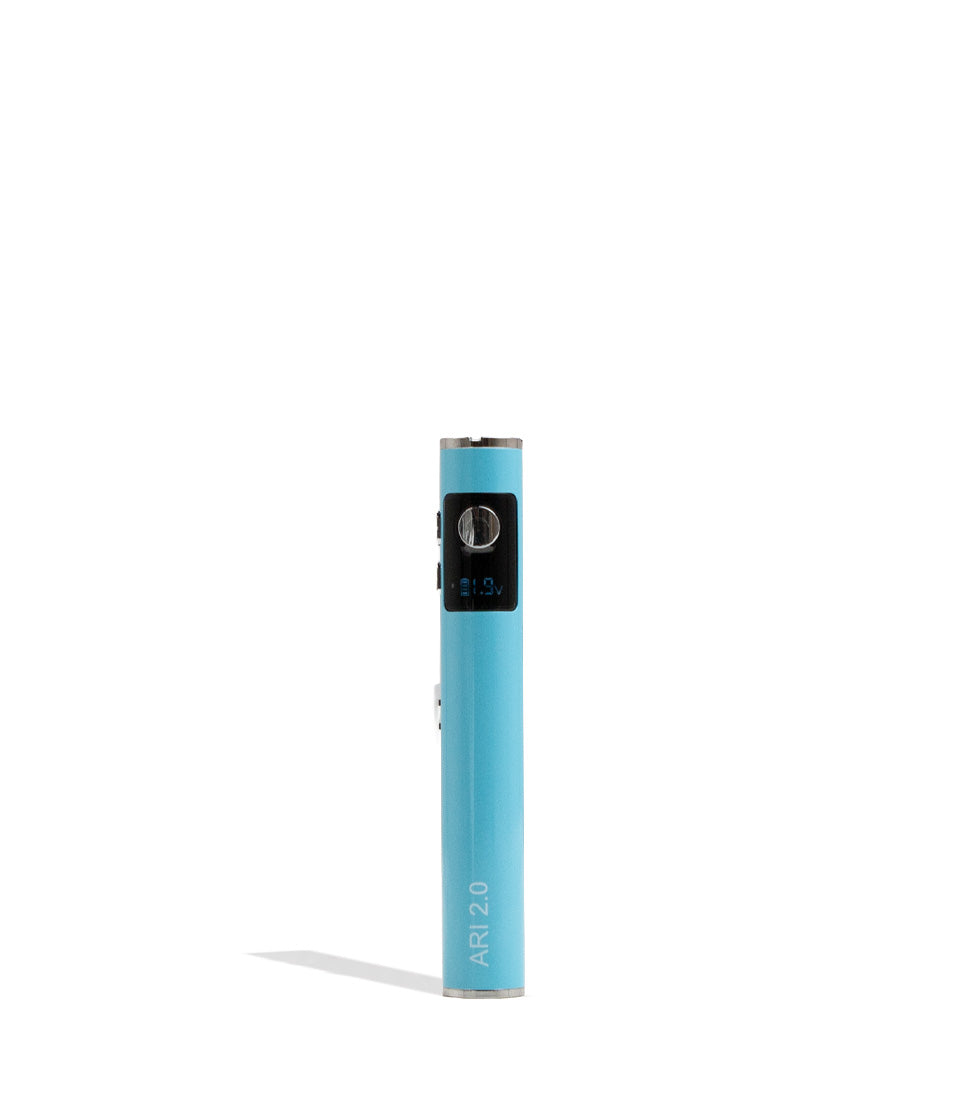
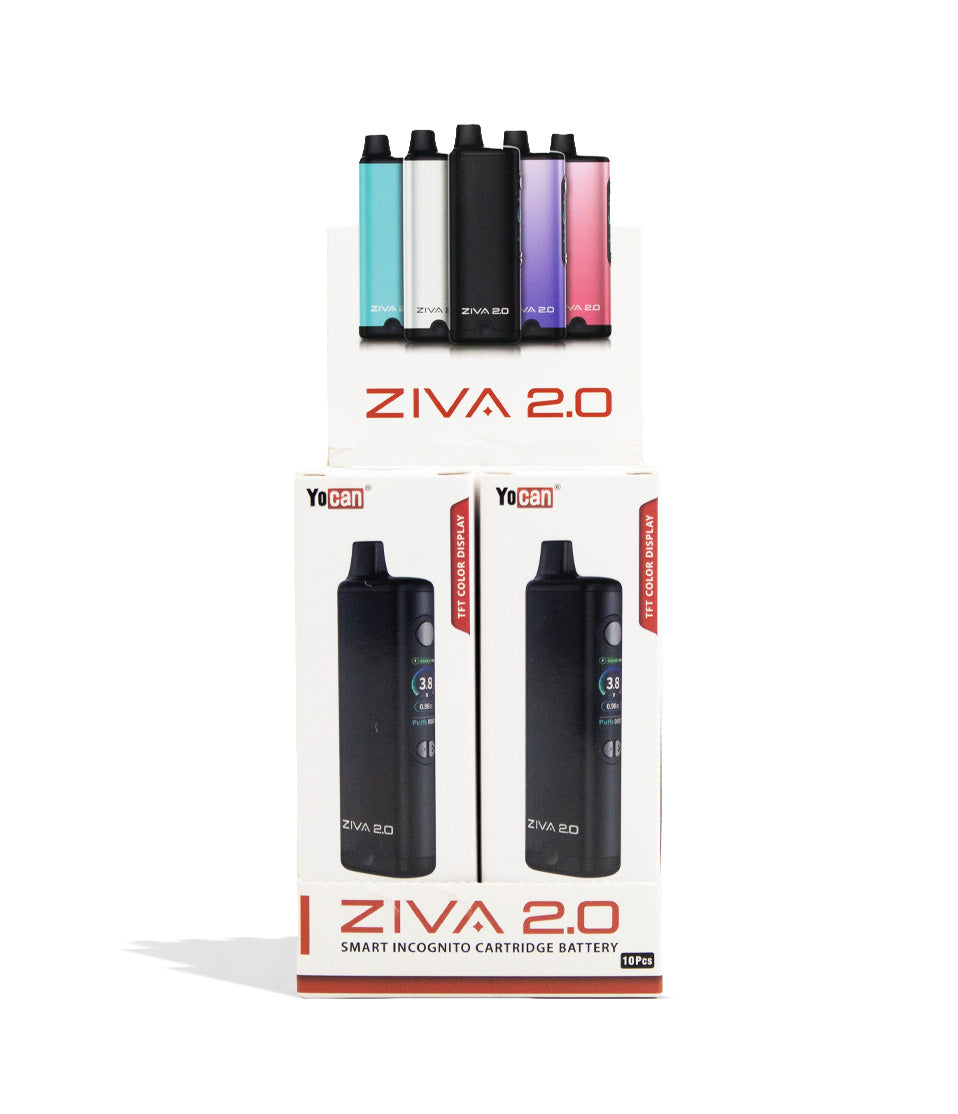
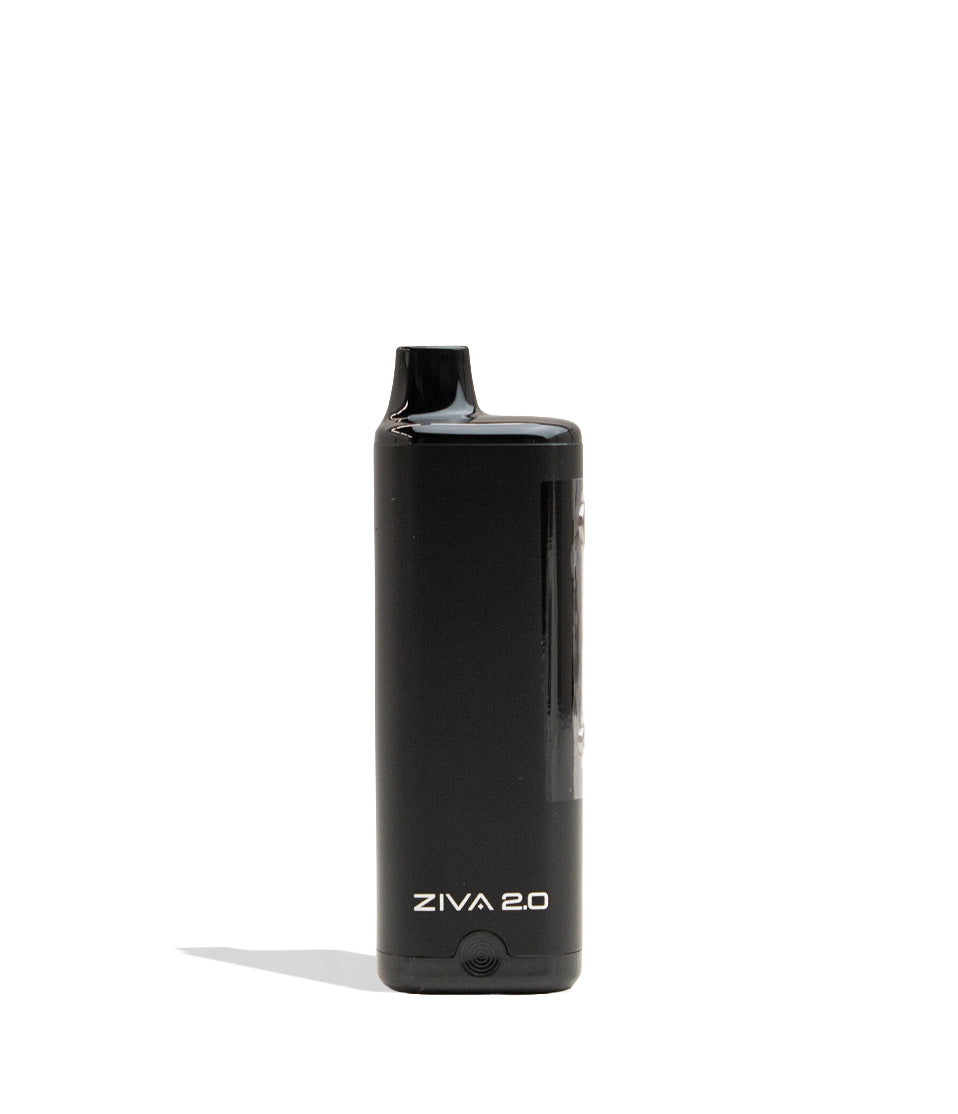
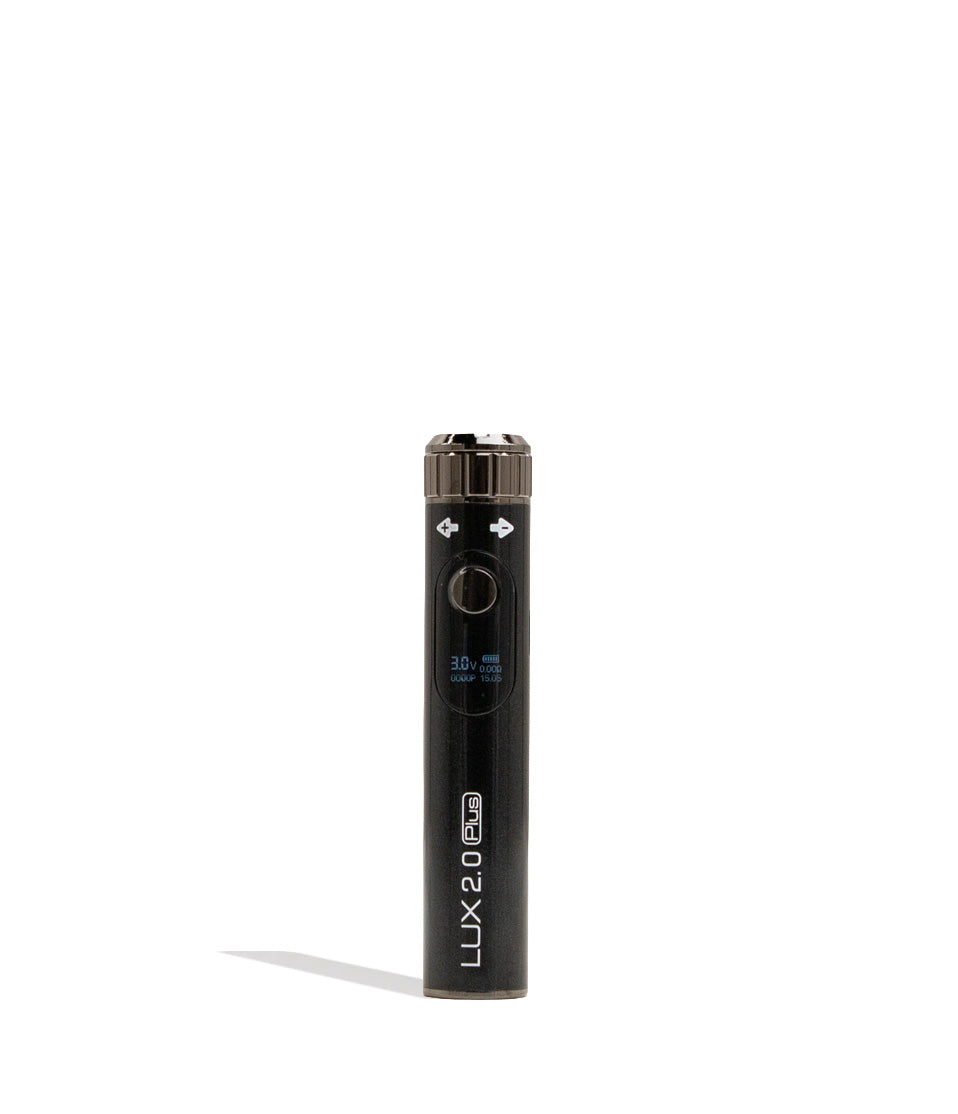
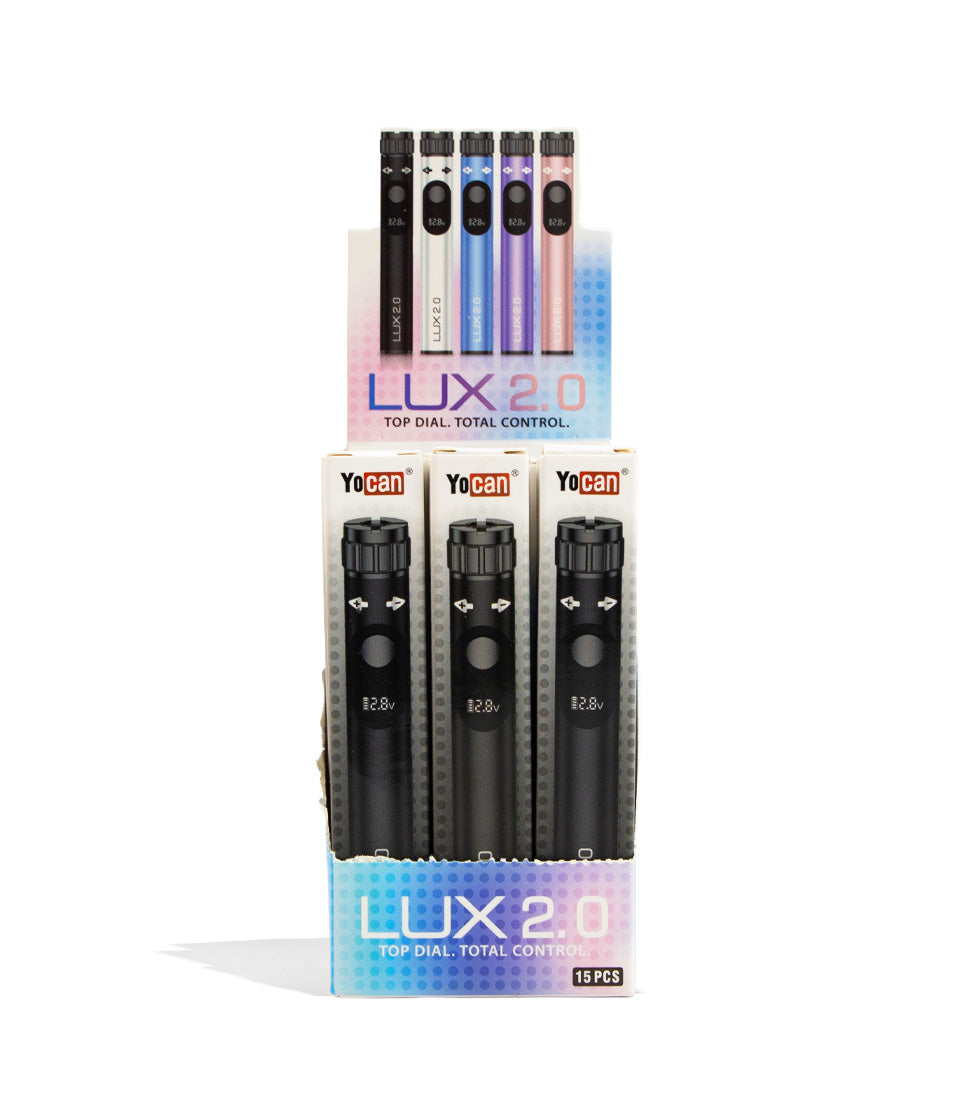
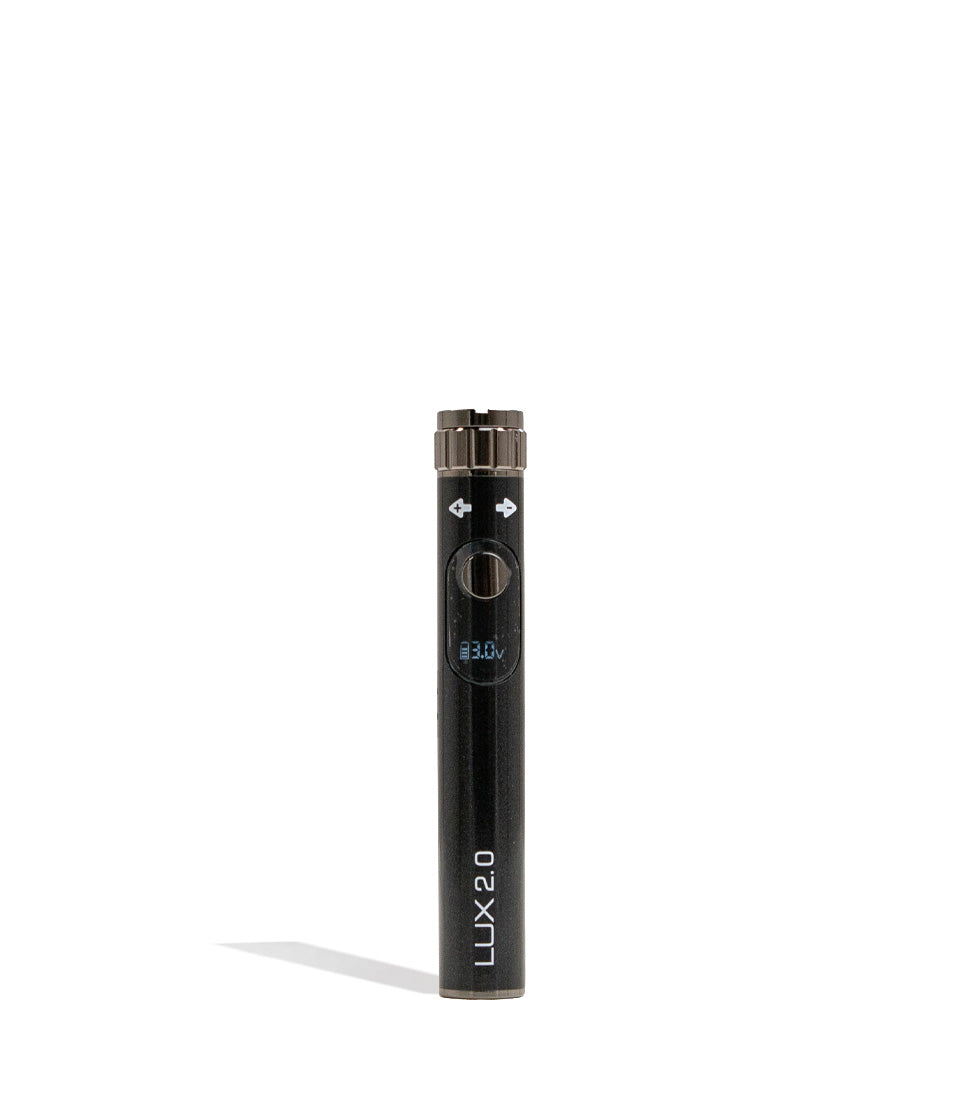
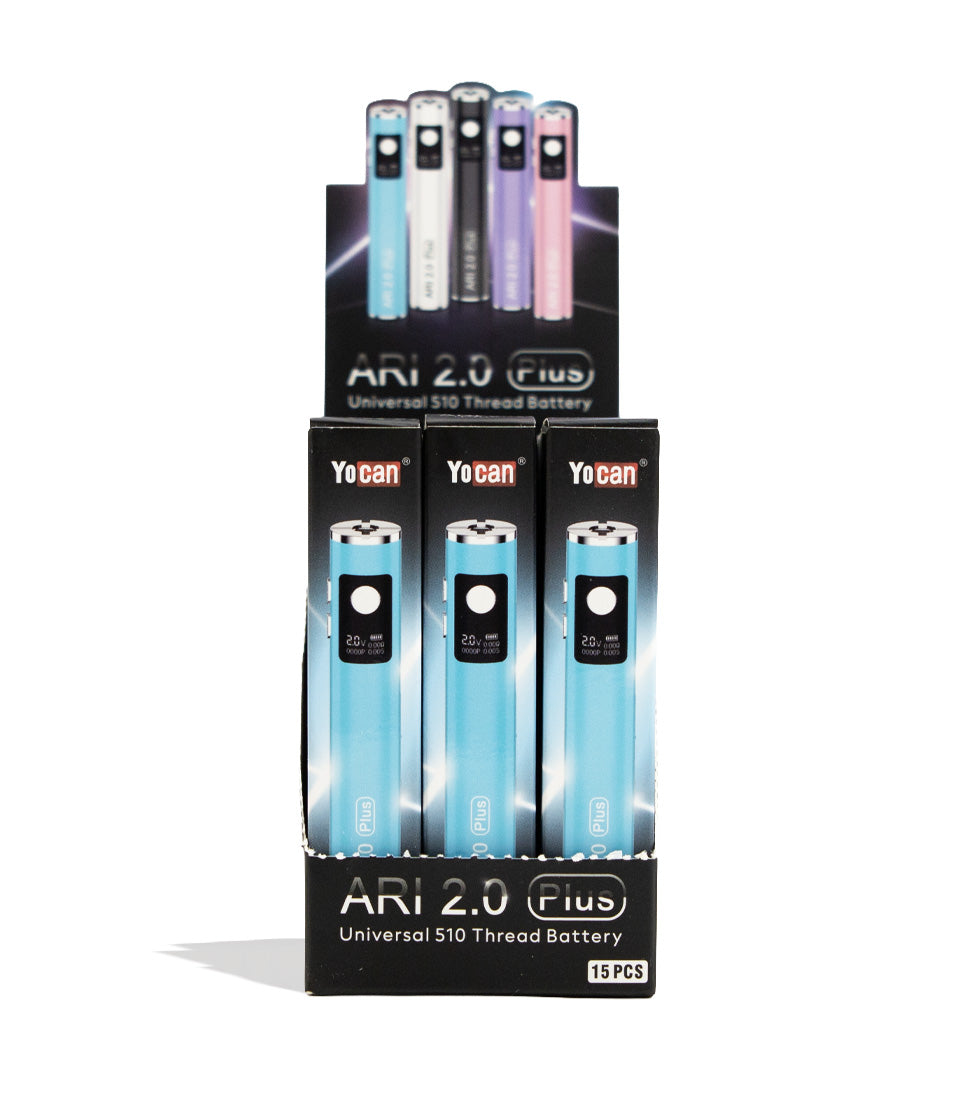
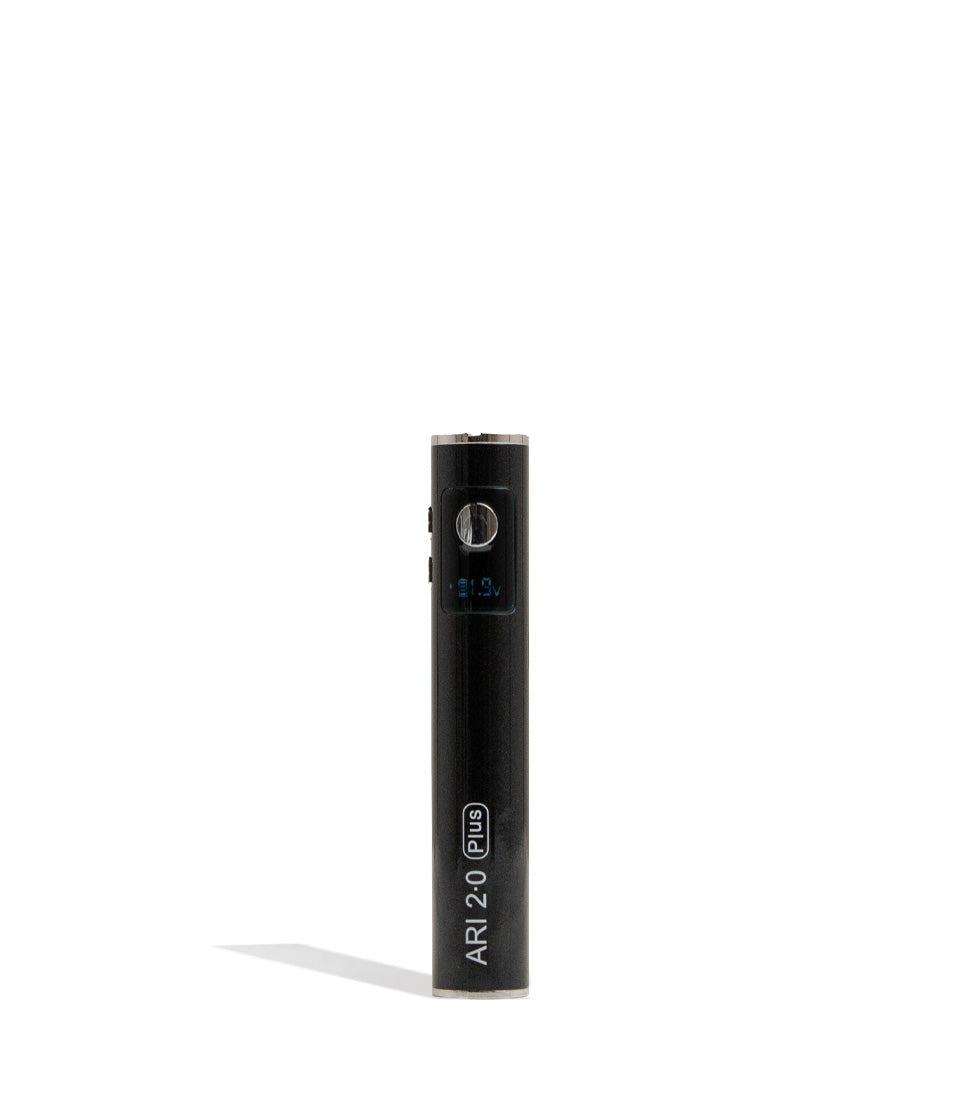
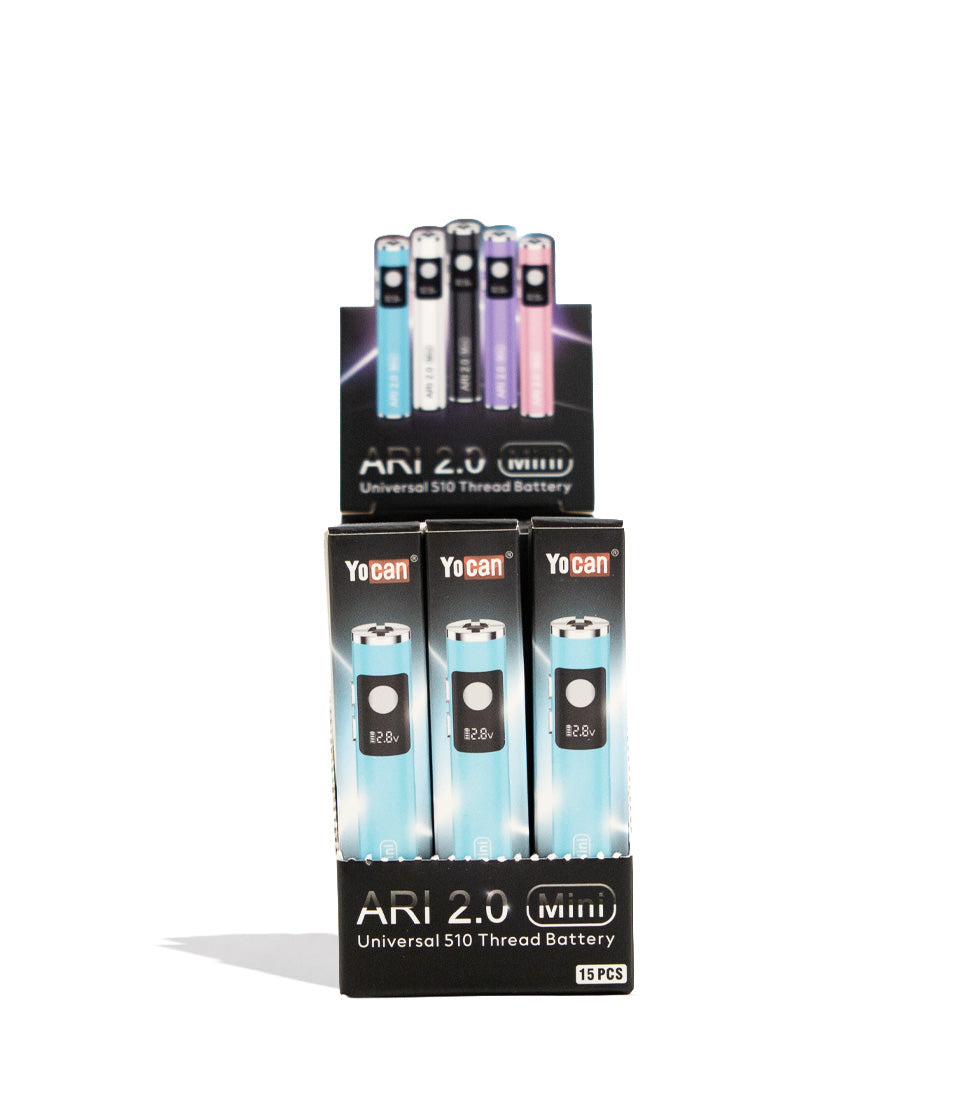
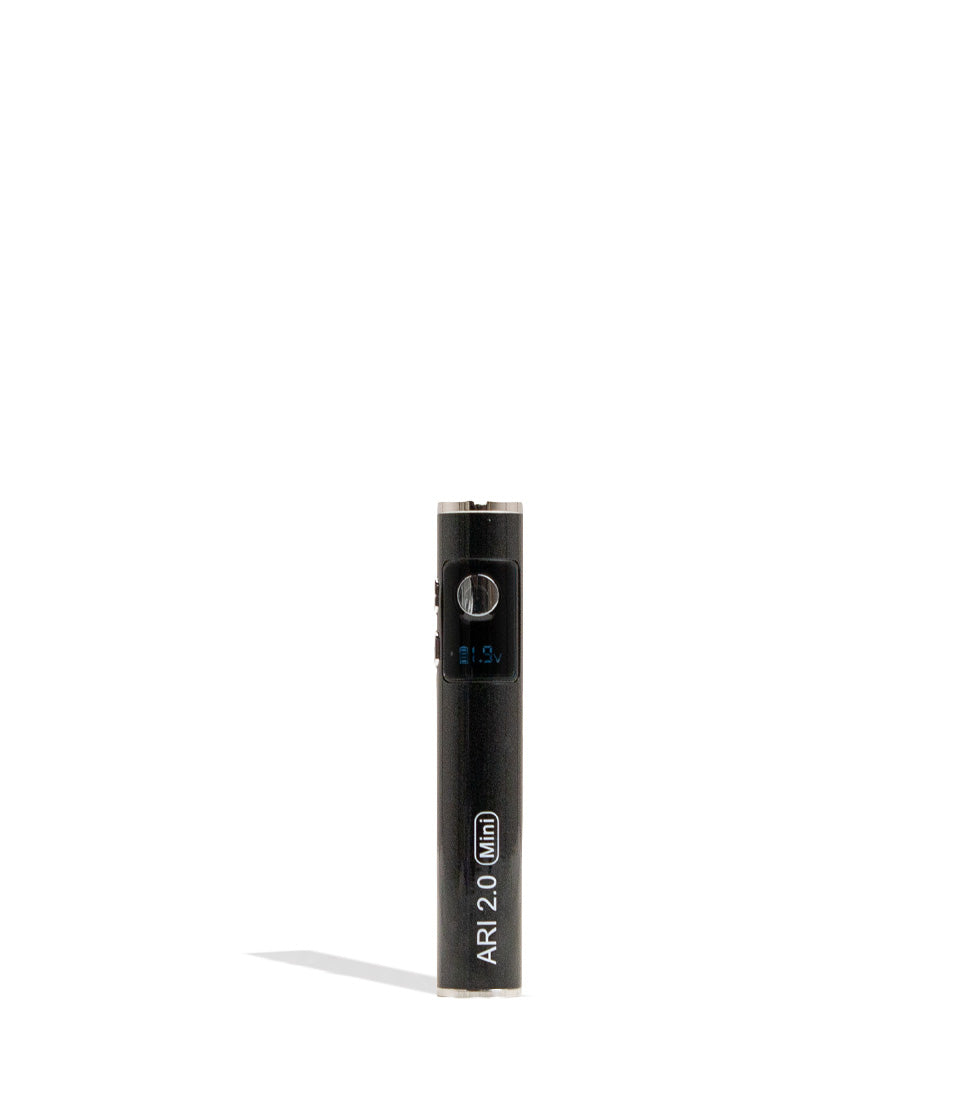
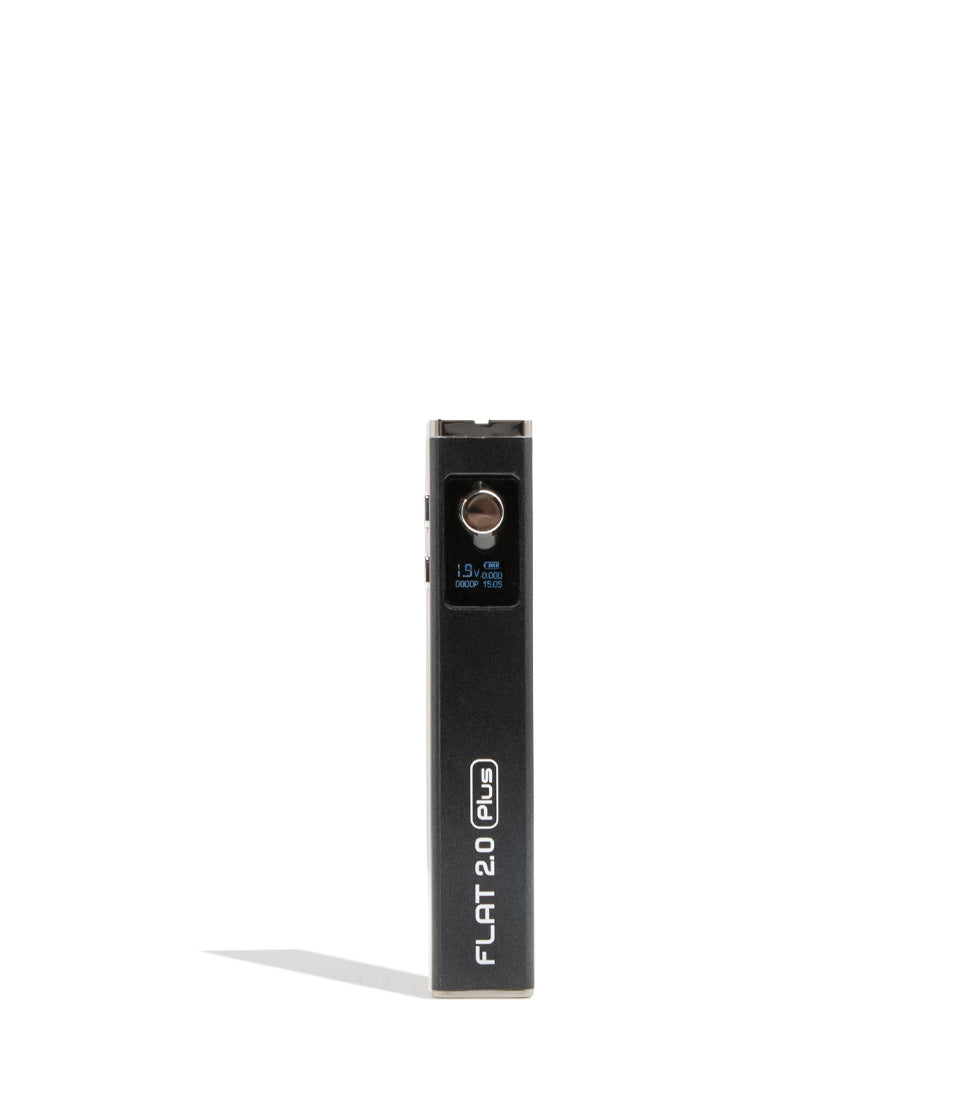
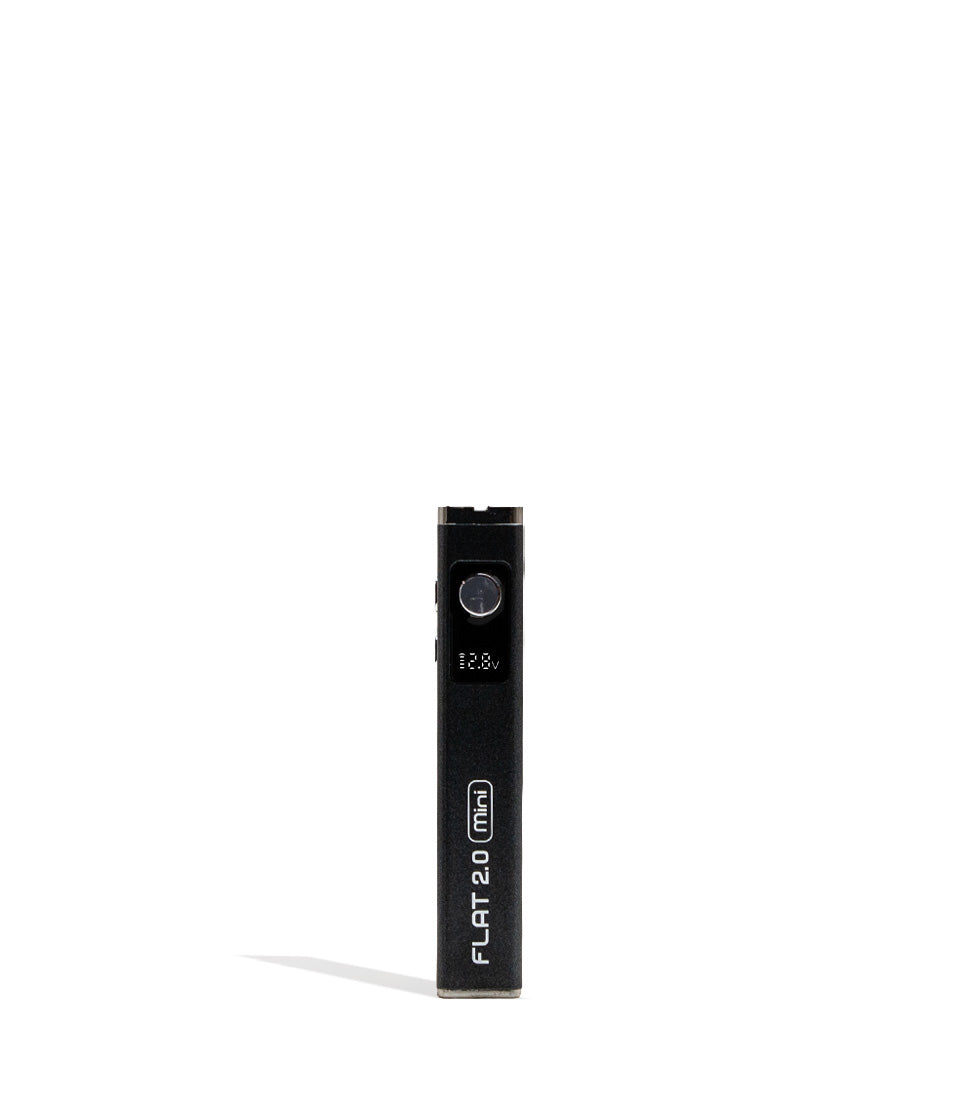
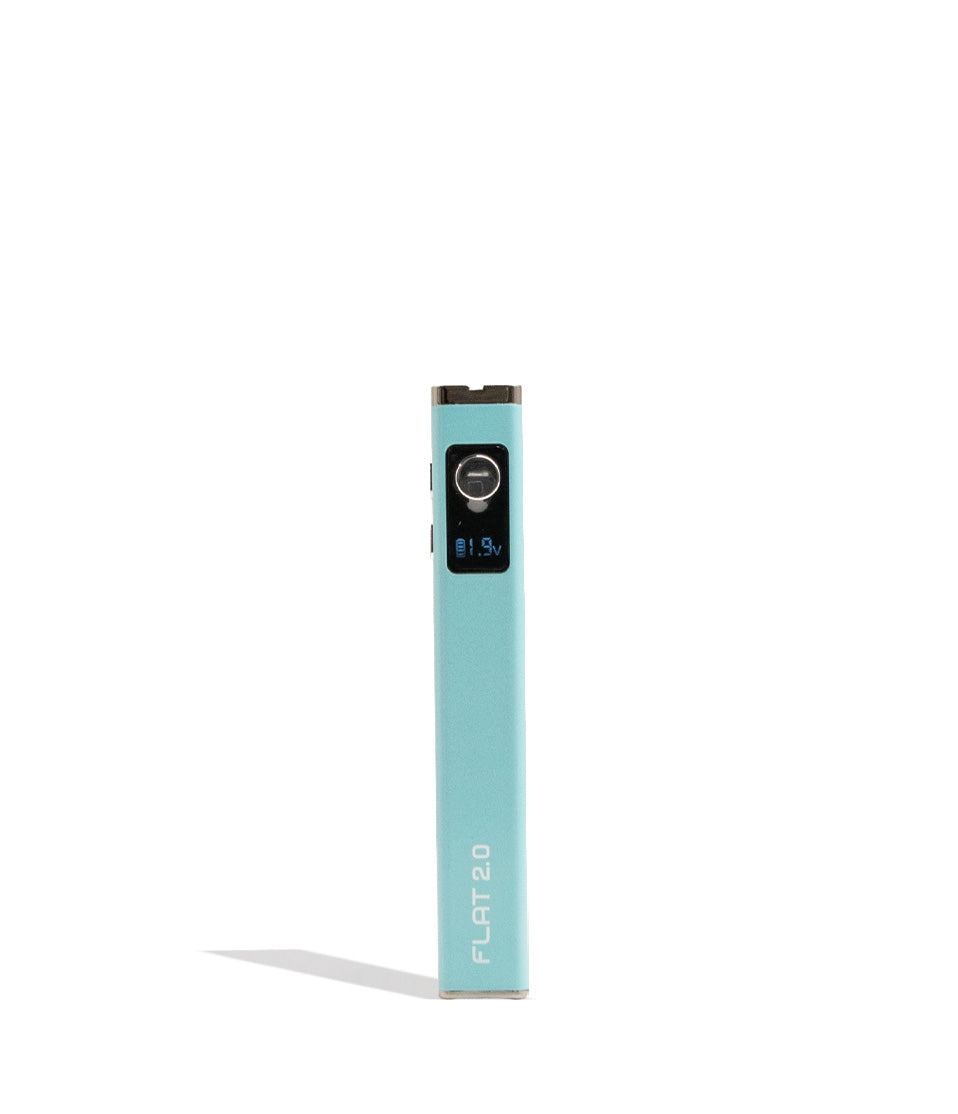
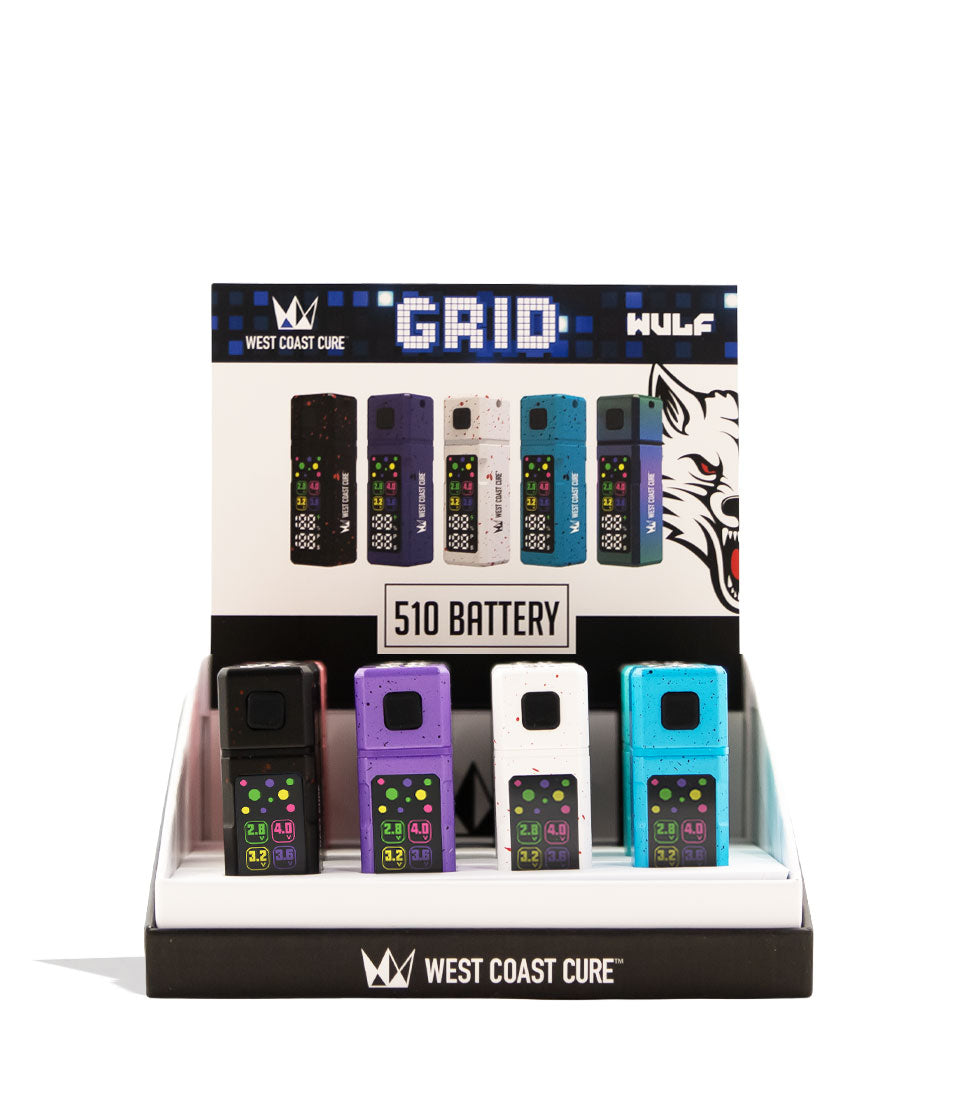
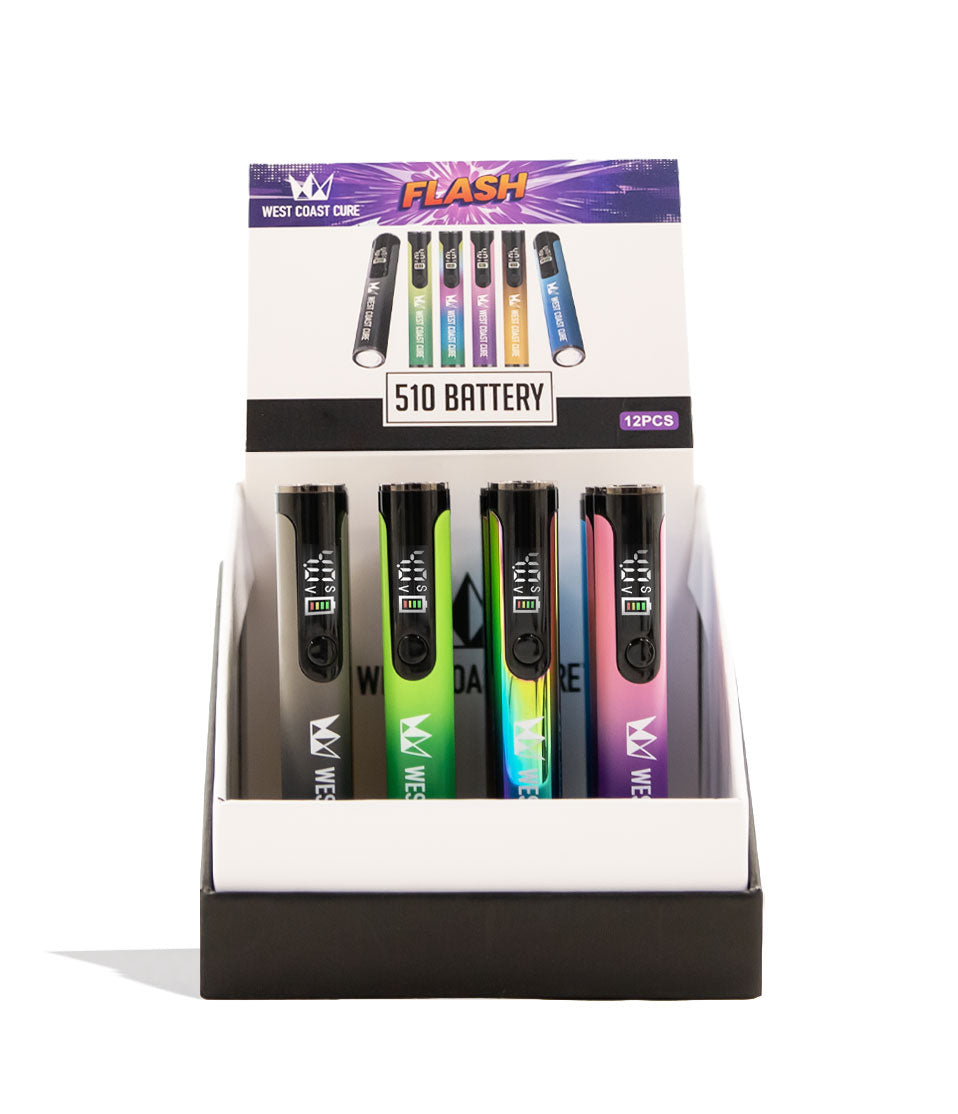
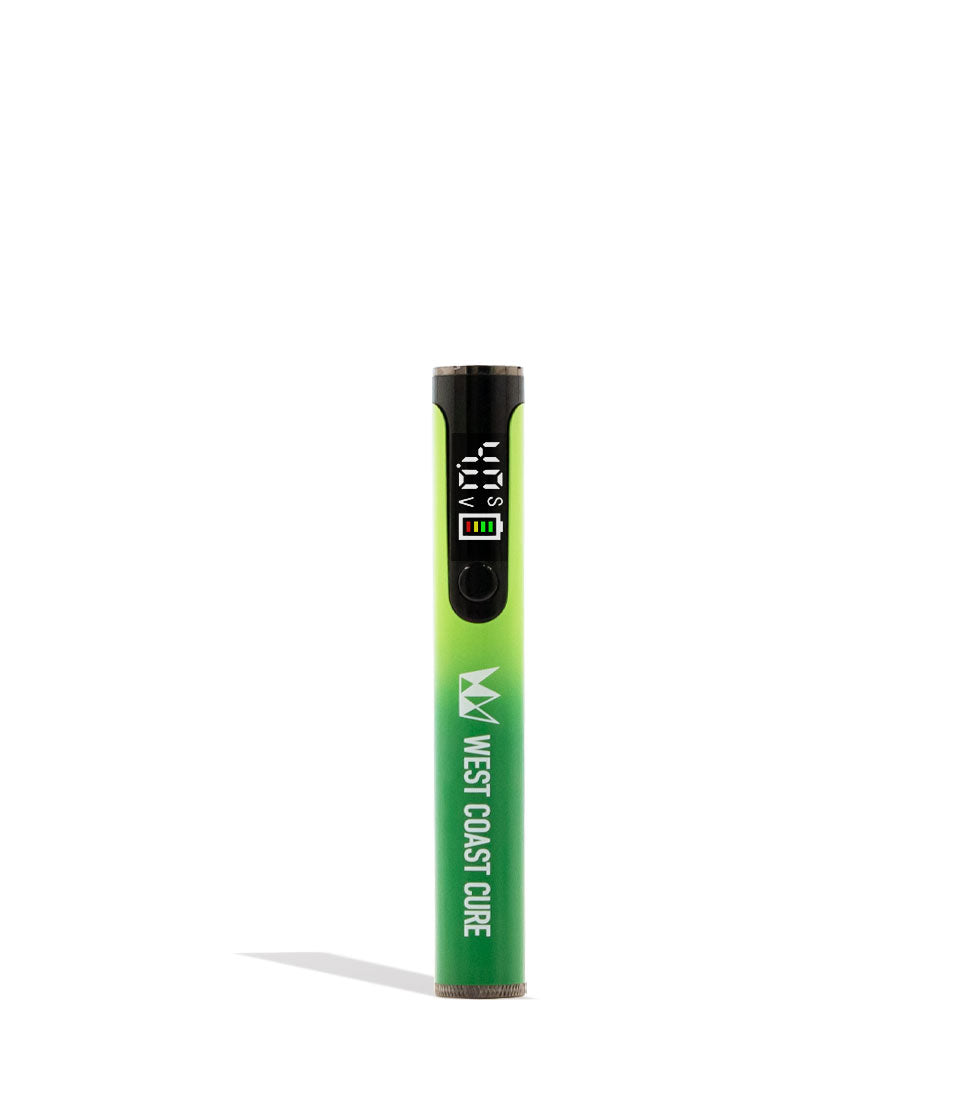
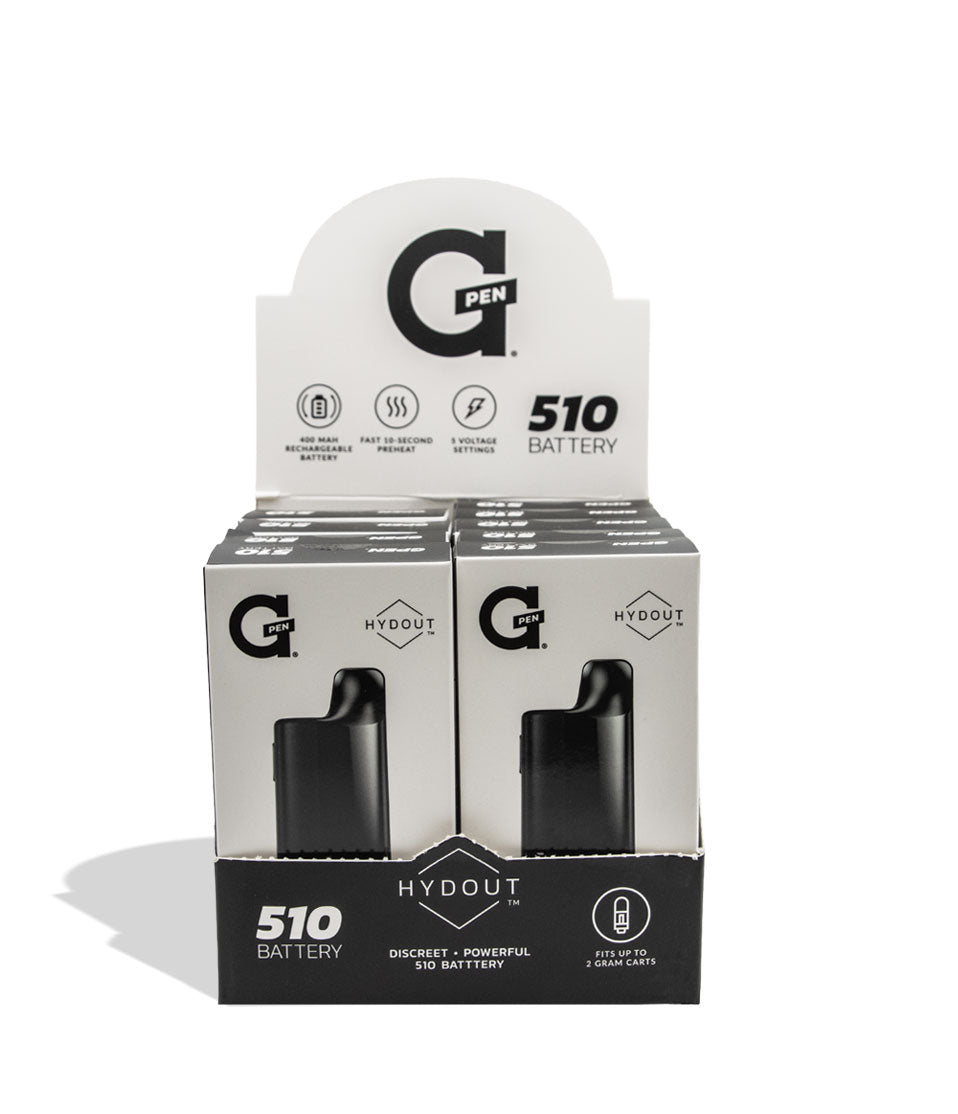
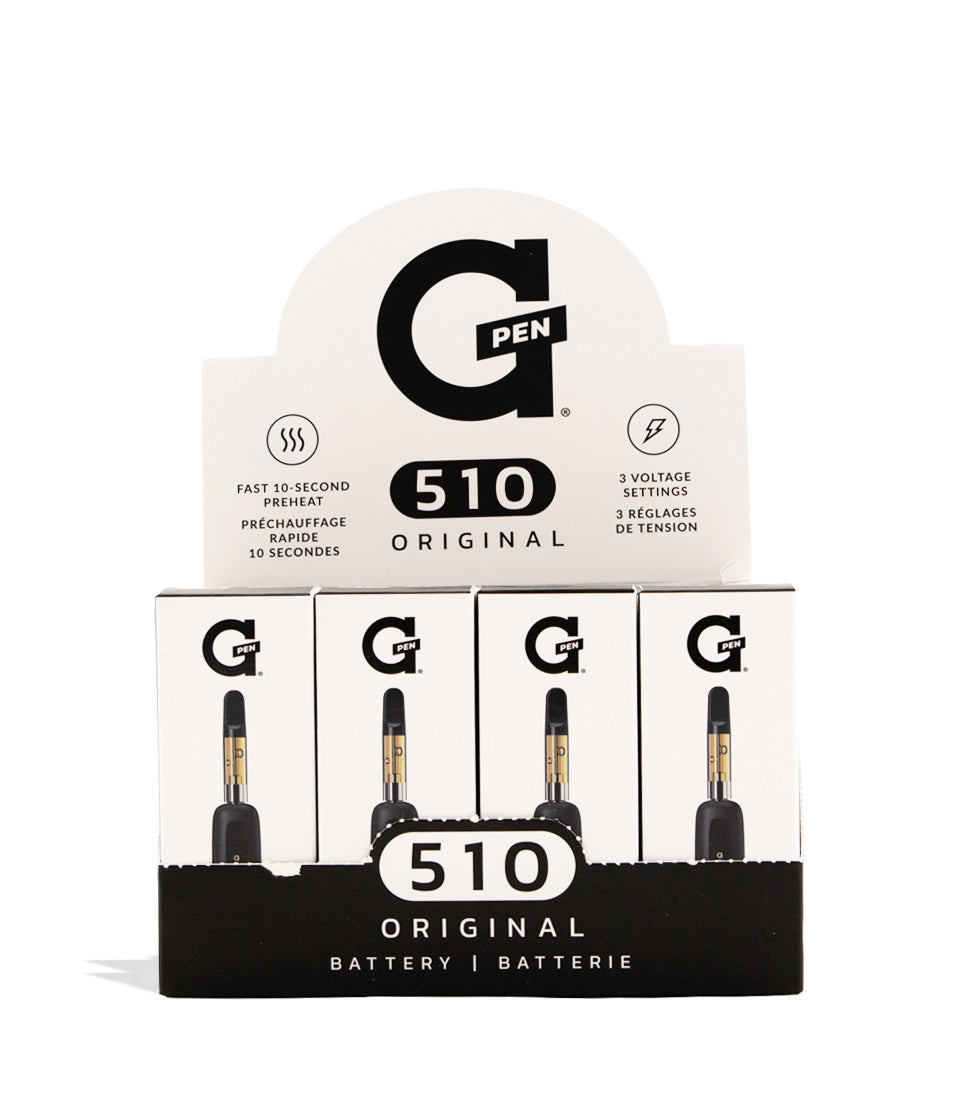
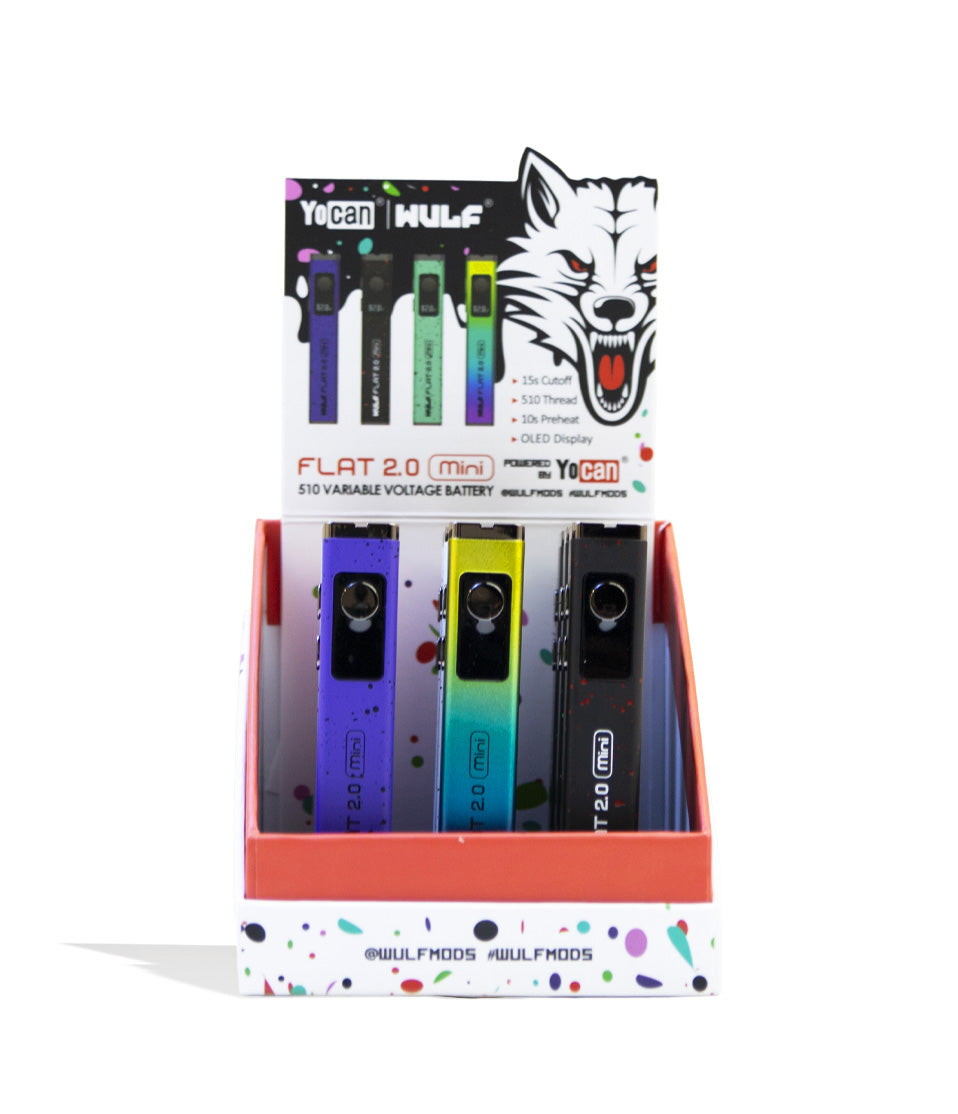
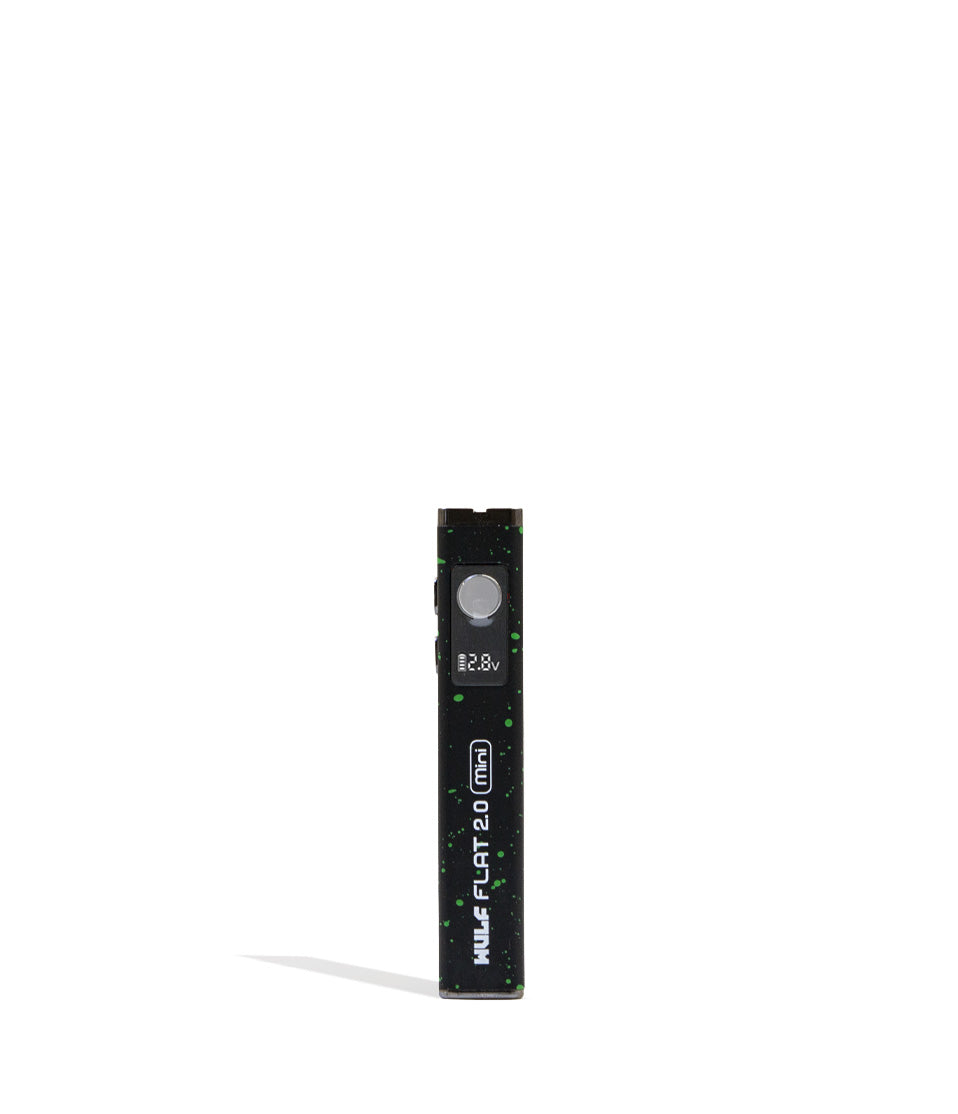
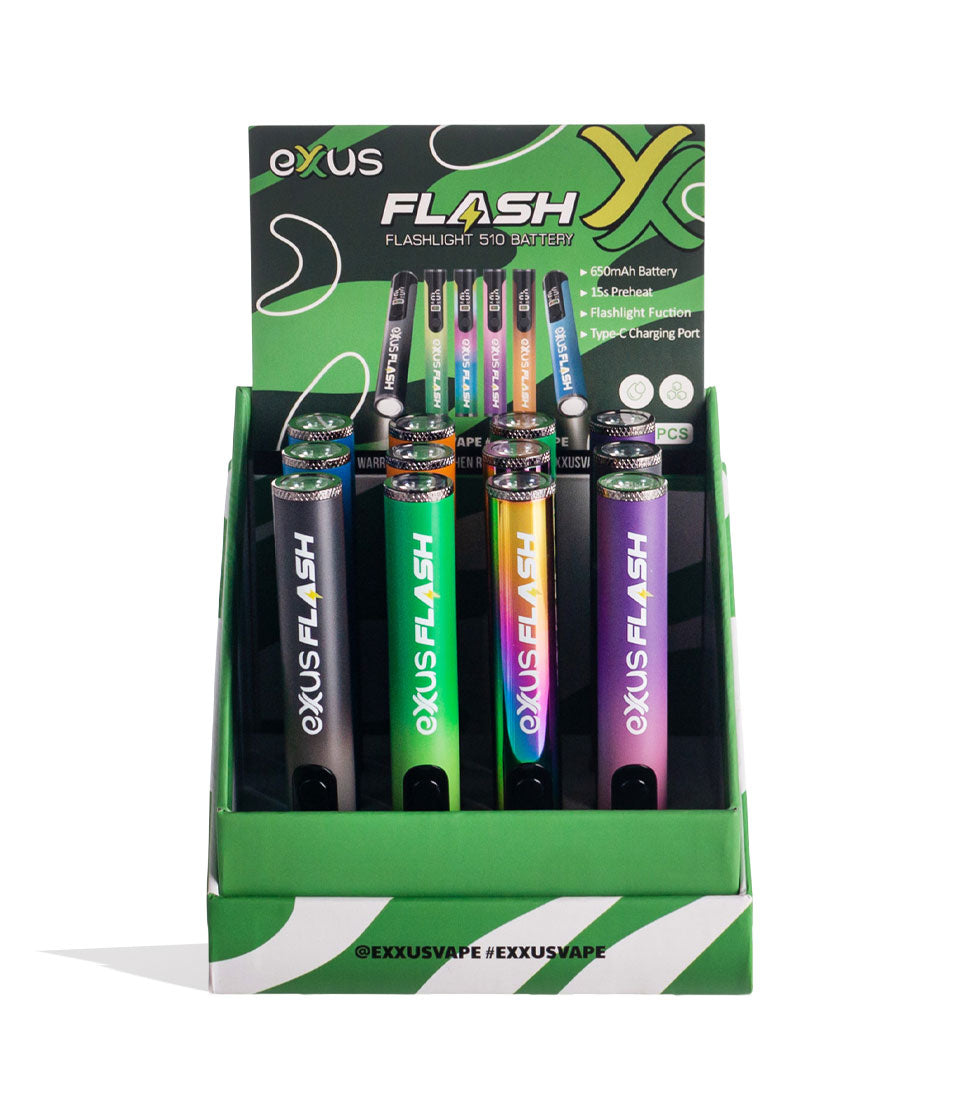
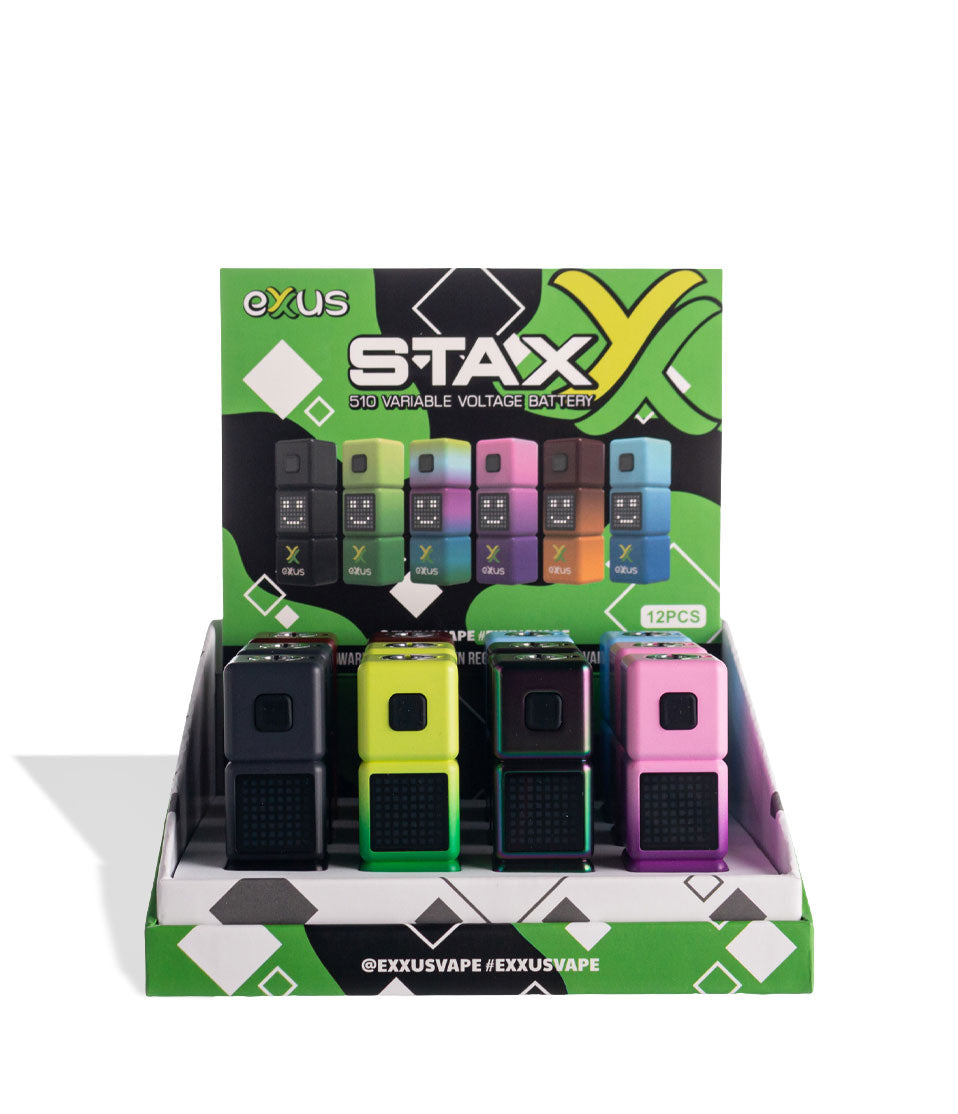
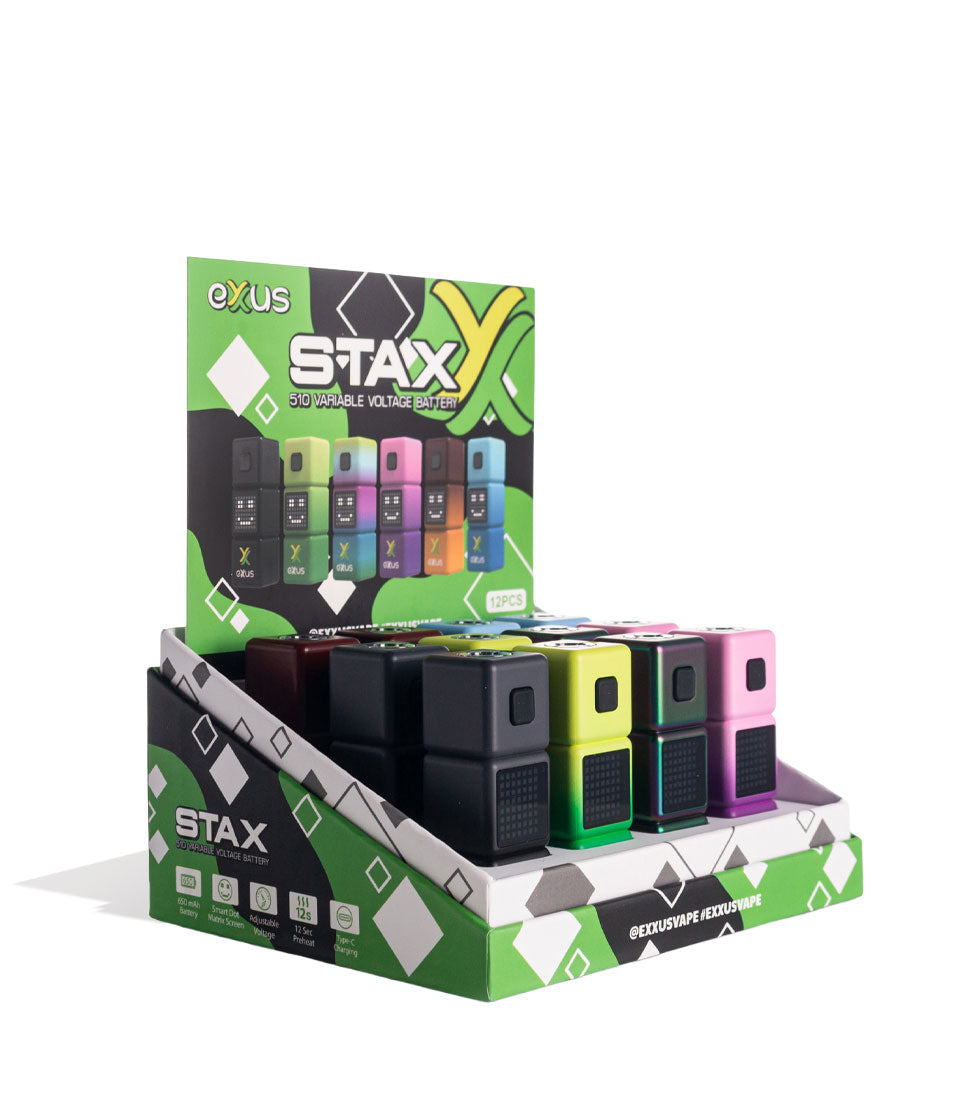
Shop Wholesale Vape Pens
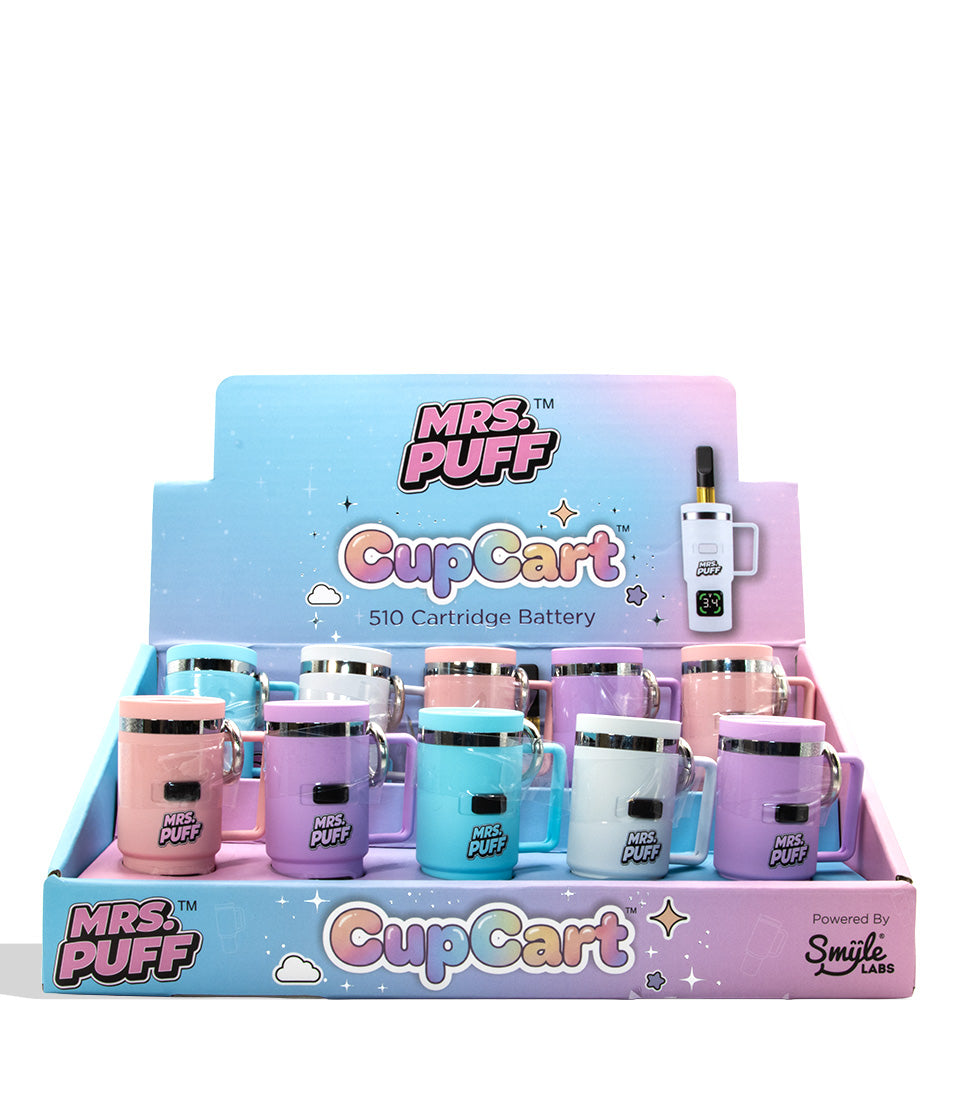
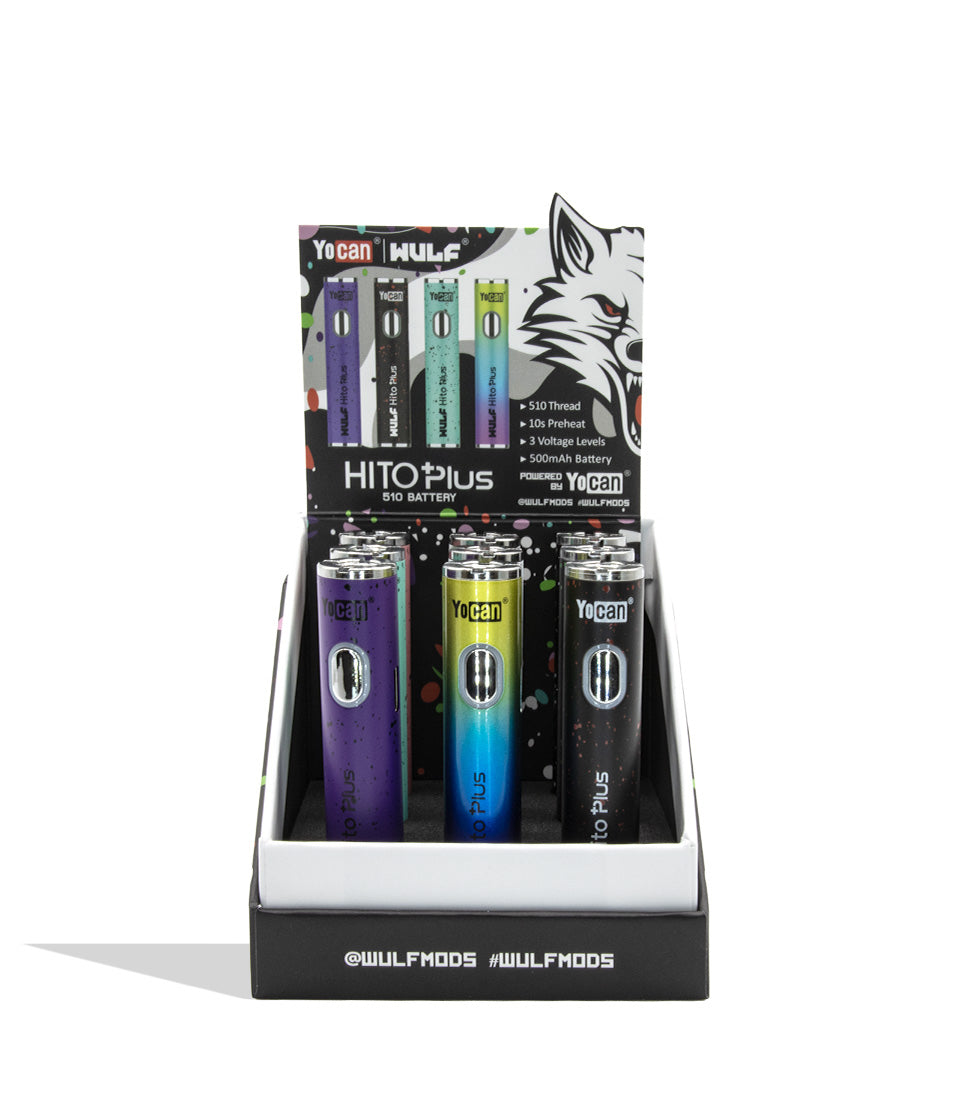
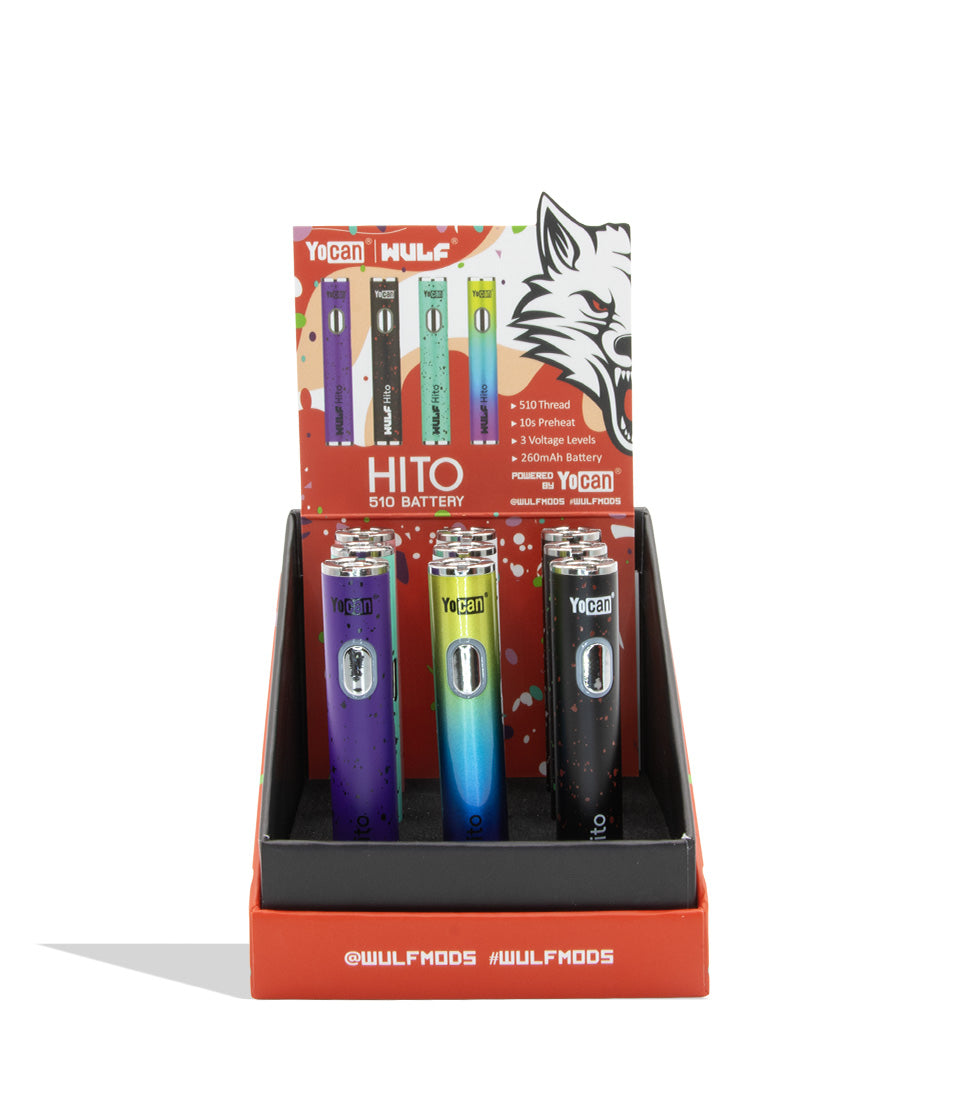
Stock up on the products featured throughout this guide, ready to add to your next wholesale order.




















Retailer Guide
Retailer Playbook
Read on for the full playbook: the practical steps, merchandising ideas, and retail strategy that turn this resource into action.
One of the first questions almost every smoke shop owner asks is a simple one: how much can I expect to make in a year? It is a fair question, but the honest answer is that there is no single number. What you earn depends on a stack of factors that look different from one store to the next, and results vary widely. What this guide can do is show you the factors that drive income and the levers you can actually pull, so you can set realistic goals instead of chasing a promised figure.
What Range of Earnings Should You Expect?
Income in the smoke shop world sits on a wide spectrum. A small store in a quiet market and a large, established shop in a busy one are not playing the same game, so their numbers are not comparable. Rather than anchor to a headline figure, it helps to understand the variables that set where any given shop lands.
Location, store size, the products you carry, your pricing, and your management all push earnings up or down. Two shops on the same block can perform very differently based on those choices. The takeaway is not a dollar amount, it is this: build your own projections from your real costs and sales, and treat any number you see online as a loose reference point, not a guarantee.
What Factors Influence Income?
- Location and demographics. Where your shop sits and who lives nearby shape demand. Population density, local income levels, and customer preferences all factor into how much business is realistically available to you.
- Product selection and pricing. The range you stock and how you price it directly affect revenue. Reading what your customers want and adjusting inventory accordingly matters. Disposables remain a strong current category, and there are plenty of popular vape pen and disposable options shoppers reach for today.
- Marketing and customer engagement. Reaching new customers and keeping the ones you have takes consistent effort. A solid online presence and a strong in store experience both feed sales.
- Operational efficiency. Controlling costs, managing inventory, and tightening day to day operations protect your margin. Efficiency keeps more of every sale, which matters as much as the sale itself.
What Strategies Can Help Grow Income?
None of these guarantees a specific return, but each gives your shop more ways to grow:
- Expand your product range thoughtfully. Widening your selection and following real demand can pull in more customers and lift basket size.
- Improve the customer experience. Strong service, a welcoming store, and useful recommendations build loyalty and repeat business.
- Build an online presence. An online storefront and digital reach extend your shop beyond its four walls.
- Run events and collaborations. Partnering with other businesses or hosting in store events can draw new foot traffic.
What Challenges Should You Plan For?
Running a smoke shop comes with real headwinds: shifting regulations, local competition, changing customer preferences, online retailers, and the constant work of managing inventory. None of these is a reason to expect failure, but each is a reason to plan.
The owners who hold up best are the ones who stay informed, adjust to the market, and review and improve their operations on a regular schedule. Steady, deliberate management beats chasing a magic number every time.
What to Take Away
Understanding the factors behind smoke shop income is far more useful than fixating on a single figure, because that figure does not exist in any reliable form. Success in this business comes from dedication, planning, and a real commitment to quality products and service. With the right approach, you give your shop the best shot at reaching its potential.
If you want budget friendly pricing and a deep catalog to build from, consider Got Vape Wholesale and register with us. Thanks for stopping in with the GVWS Crew, and check out the rest of our guides over at the Got Vape Wholesale Resource Center.
Frequently Asked Questions
Retailer Guide FAQs
Answers to the questions buyers ask most, plus how to put each one to work in your next inventory decision.
How much can a smoke shop owner make in a year?
What factors affect smoke shop income the most?
Does product selection really change revenue?
How can I increase my shop's income?
What challenges should I expect?
GVWS Trust Center
About This Resource
Here is how the GVWS editorial team builds, checks, and keeps this retailer resource current for the buyers who rely on it.
Editorial Standards
- Written for the owners, buyers, and purchasing teams who stock independent shops.
- Edited for clarity, accuracy, and the kind of value you can act on at the counter.
- Grounded in current manufacturer specifications and product documentation wherever it is available.
- Revisited whenever products, regulations, category trends, or market conditions shift.
- Backed by more than two decades of wholesale distribution experience.
- Aimed at sharper inventory decisions for retailers, never end consumer purchasing advice.
Research Methodology
This retailer guide is built for the day to day calls independent smoke shops, dispensaries, vape shops, and convenience retailers make on business, inventory, and merchandising. What follows leans on wholesale operating experience, real retailer needs, how categories behave, and lessons tested on the floor.
- Hands-on wholesale retailer support
- Inventory planning and reorder timing
- Merchandising and category presentation
- Everyday operational questions from shops
- Product mix and assortment strategy
- Best practices that reach your customers
- More than twenty years serving independent retailers
Supporting Sources
Any sources behind this resource are listed here so retailers can trace the guidance and verify it for themselves.
Article Information
Intended Audience
- Independent Smoke Shops
- Vape Retailers
- Licensed Dispensaries
- Convenience Retailers
- Wholesale Buyers
- Purchasing Teams
Editorial Policy
The GVWS crew revisits these resources on a regular schedule so the guidance keeps pace with the market. As product specifications, regulations, category trends, or market conditions move, we refresh the article and stamp it with a new review date. Backed by more than two decades of serving independent retailers.
Continue Your Retailer Education
Related Resources
Keep building your edge with related GVWS resources, each picked to sharpen your inventory, category, and purchasing calls.
Retailer Guide
Discover comprehensive insights on launching your vape shop successfully. Gain profound knowledge about every aspect, including...
Read Resource →
Retailer Guide
Burn rates and runways. What are they in relation to your smoke shop and how are they able to help your business strategy? Find...
Read Resource →
Retailer Guide
Start making more profits at your Smoke Shop by building new revenue paths with the help of this Got Vape Wholesale exclusive. ...
Read Resource →
Retailer Guide
Happy December Smoke Shop owners! In between the holiday rushes we recommend you take some time to review your 2024 fiscal year...
Read Resource →