

Wholesale Resource Center
THC Vs. CBD: What’s the Difference?

Continue With This Resource
GVWS Quick Brief
What Retailers Should Know
Everything a buyer needs at a glance: the core points, the questions retailers ask, and the stocking guidance that follows below.
Overview
Key Takeaways
- THC is intoxicating because it binds the brain's CB1 receptors; CBD does not bind them the same way, so it produces no high.
- Both are cannabinoids from cannabis: hemp is naturally high in CBD and low in THC, while marijuana is bred for THC.
- CBD comes in three forms: full-spectrum (trace THC included), broad-spectrum (THC removed), and isolate (CBD only).
- Full-spectrum CBD can trigger a positive drug test, and isolate or broad-spectrum lower that risk without eliminating it.
- Legality turns on the type and amount of THC plus your state's rules, and federal hemp law tightened in late 2025.
- Sell on facts and lab results, never on health claims.
Questions This Resource Answers
- What is the real difference between CBD and THC?
- Why does THC cause a high when CBD does not?
- What are full-spectrum, broad-spectrum, and isolate?
- Will CBD make a customer fail a drug test?
- What is the legal status for my shop?
Recommended Products
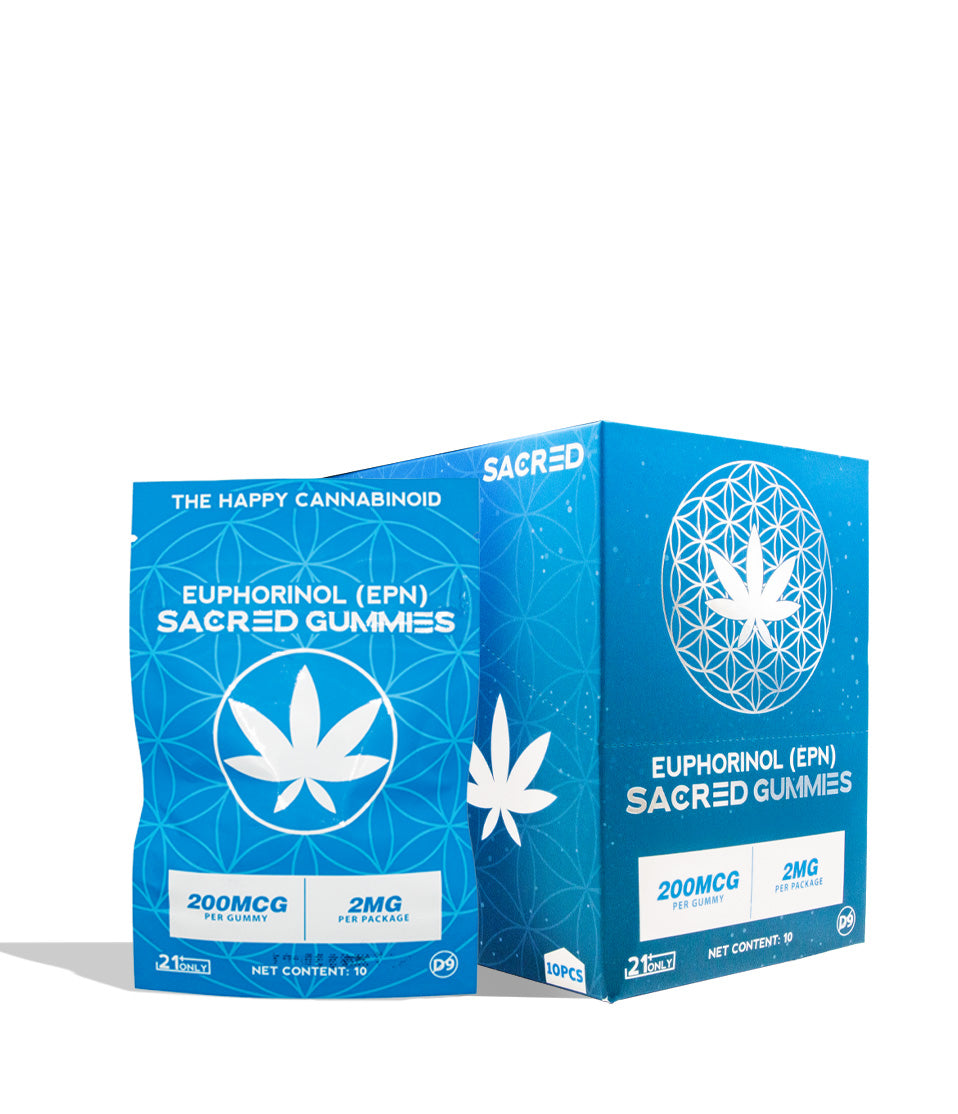
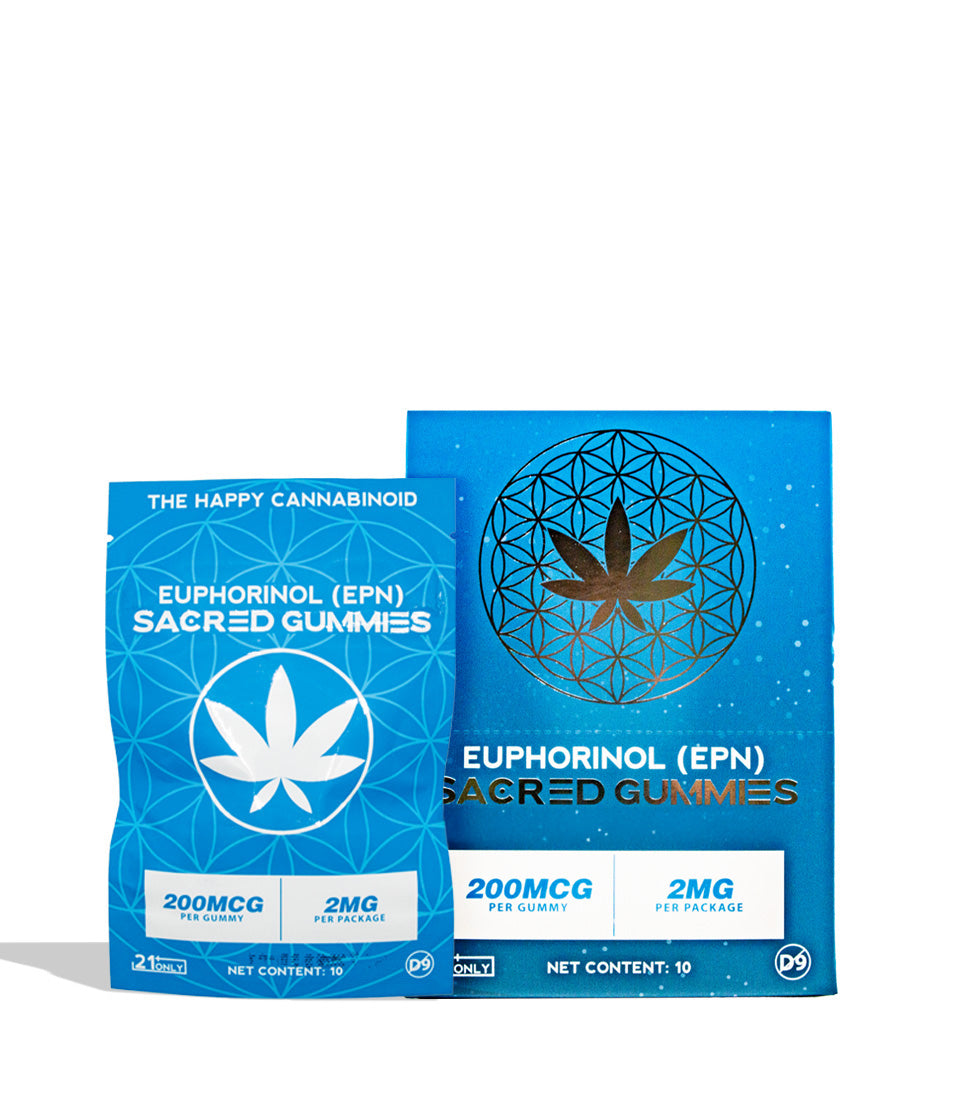
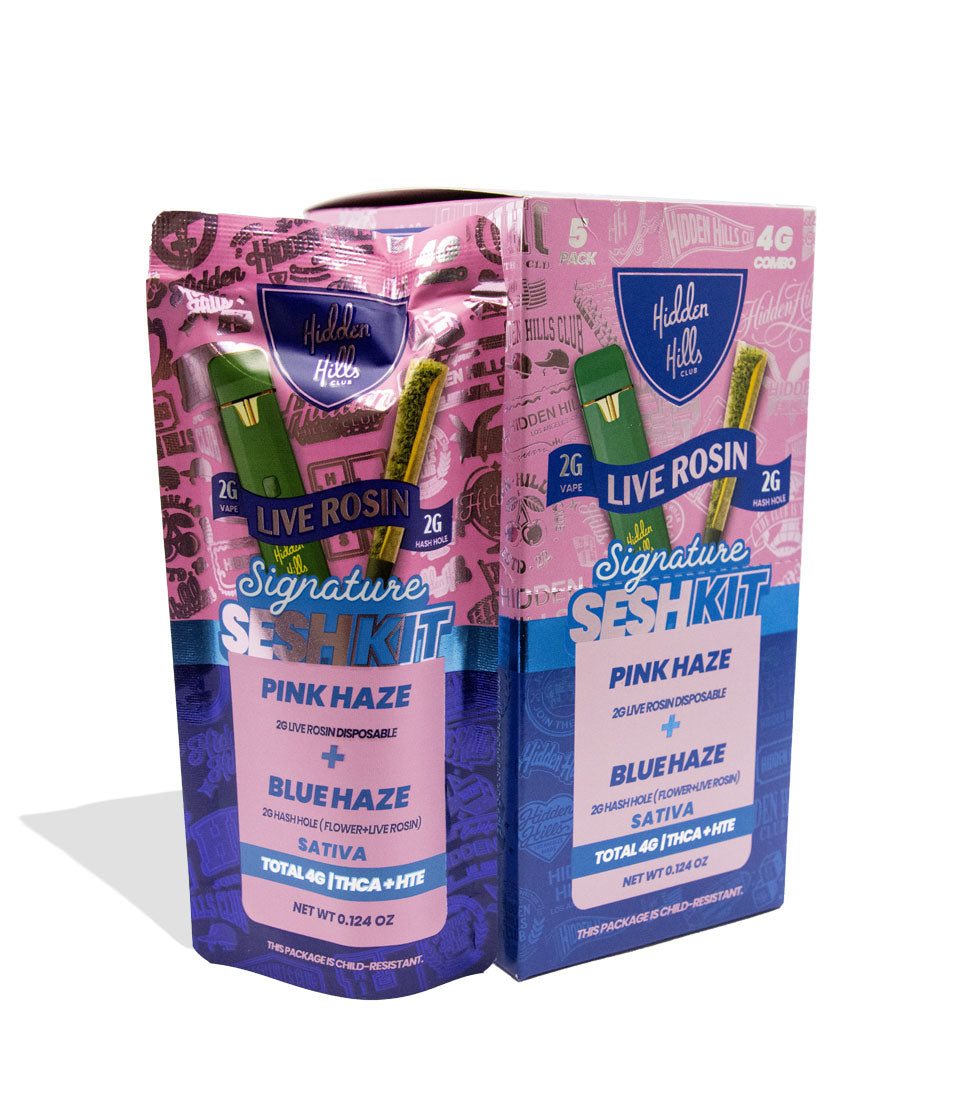
Shop CBD Wholesale
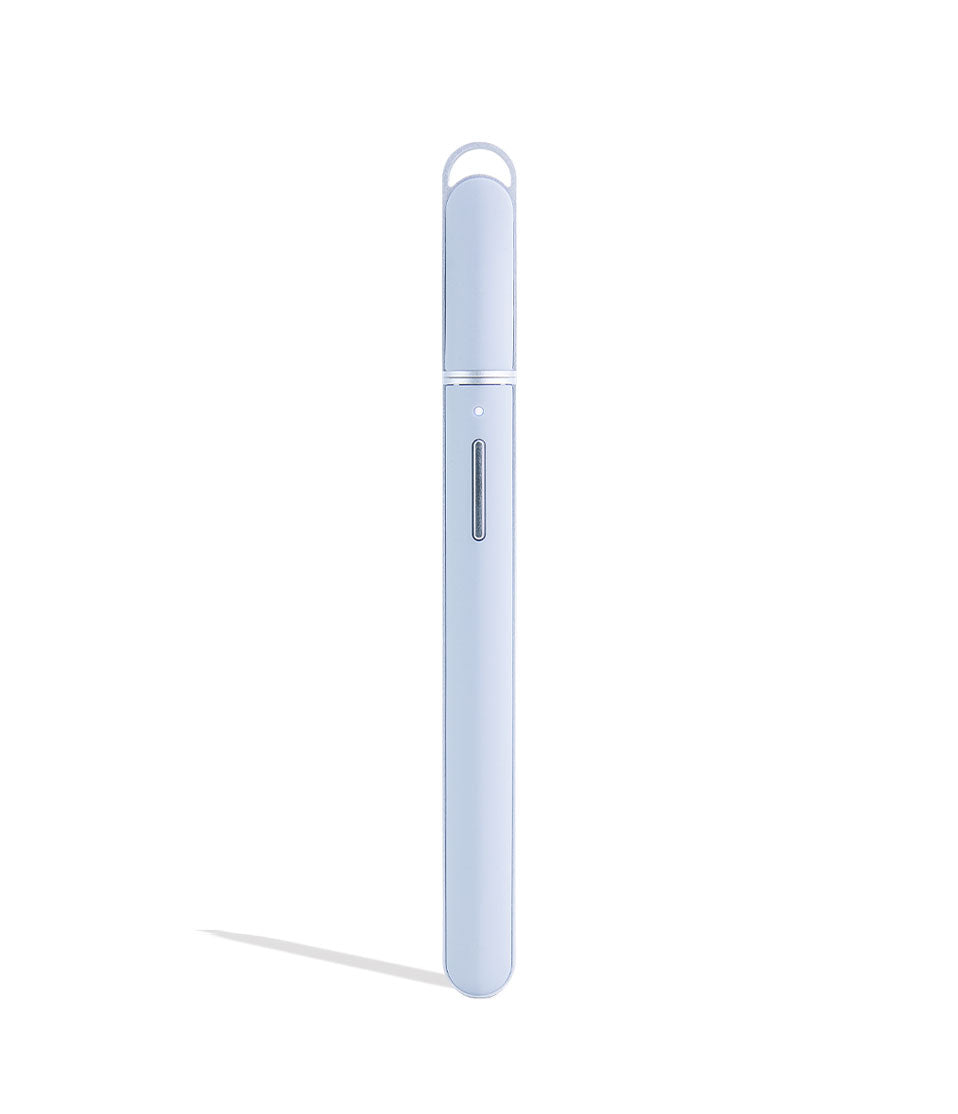
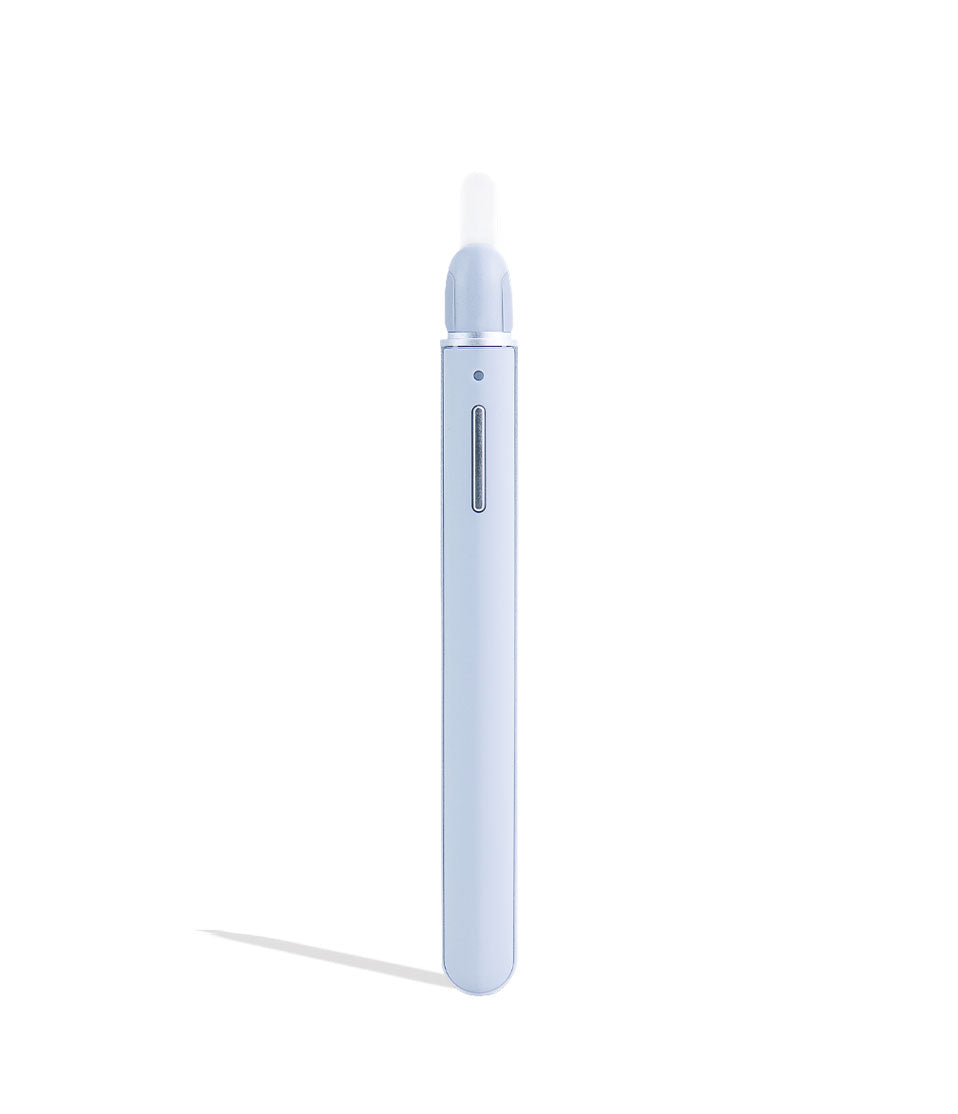
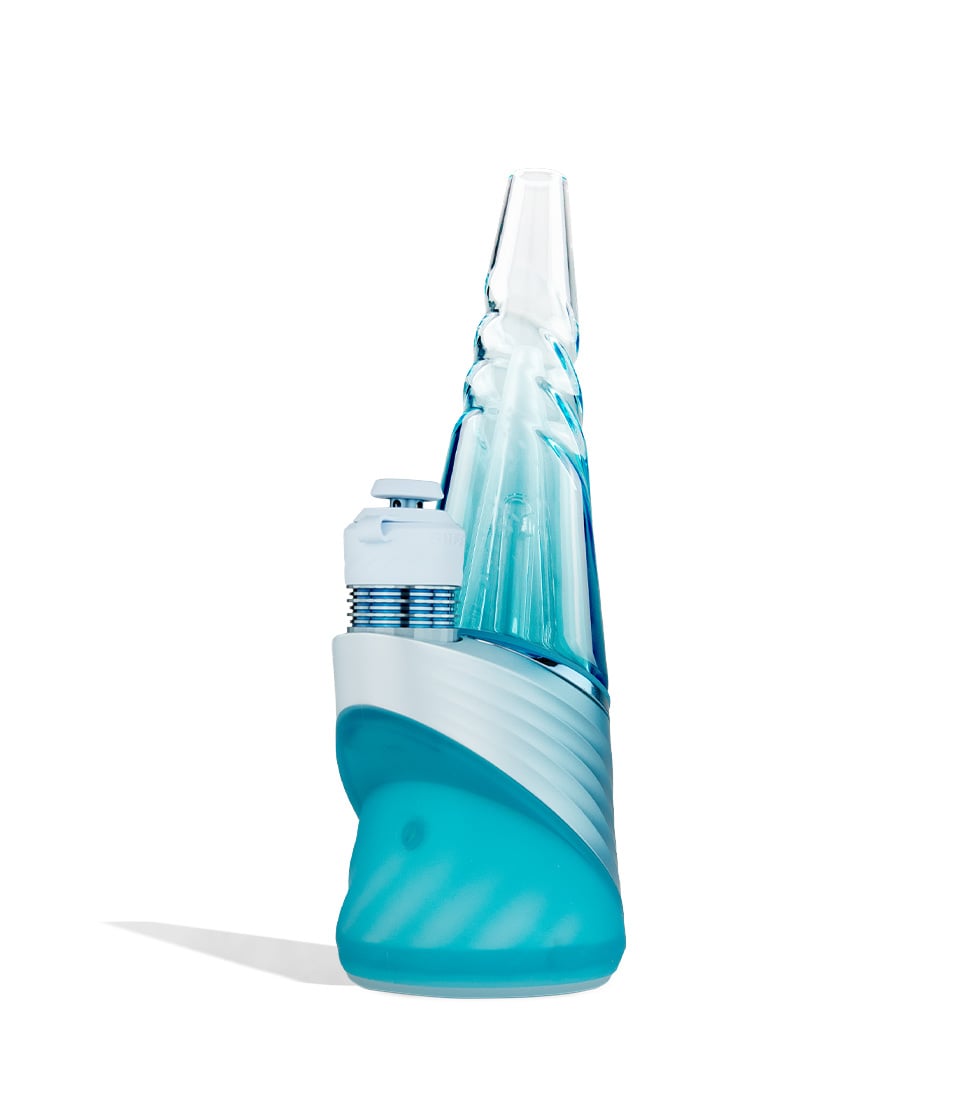
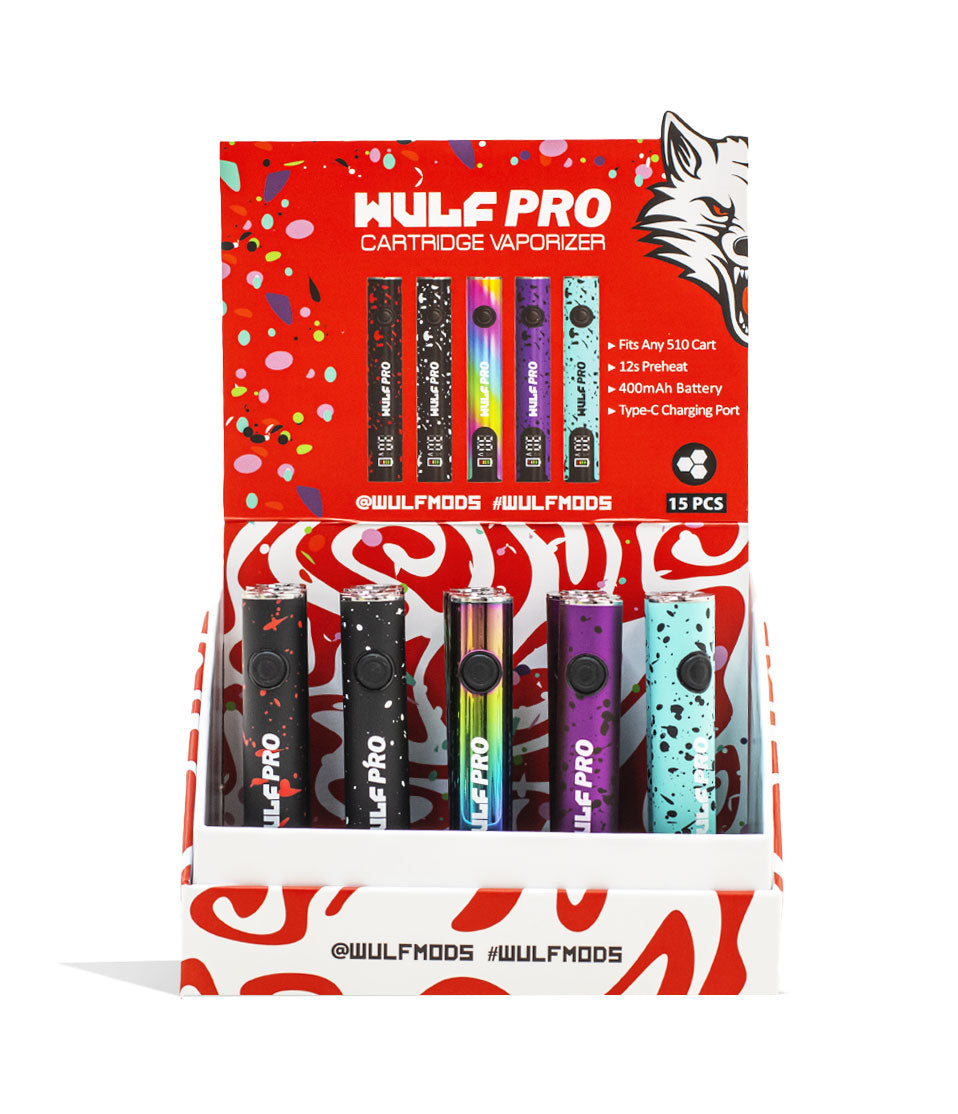
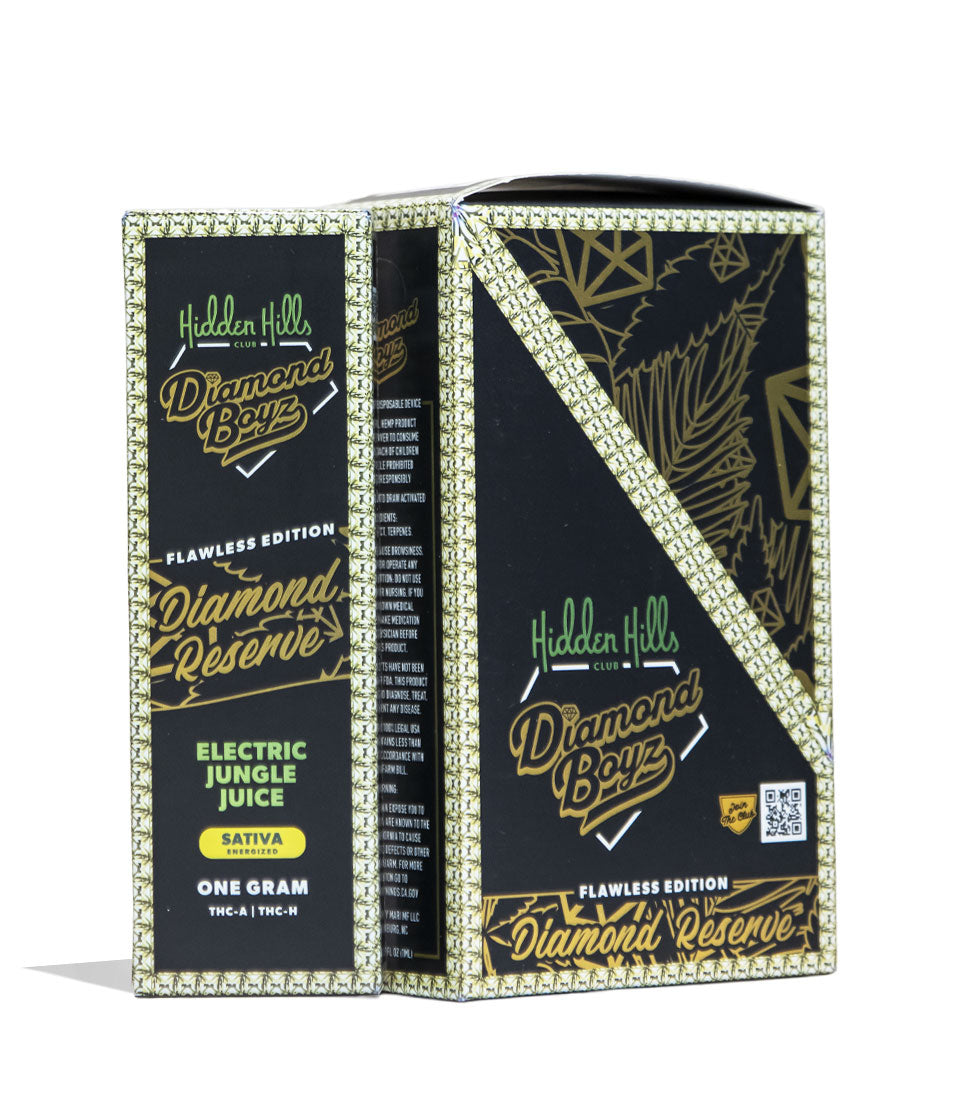
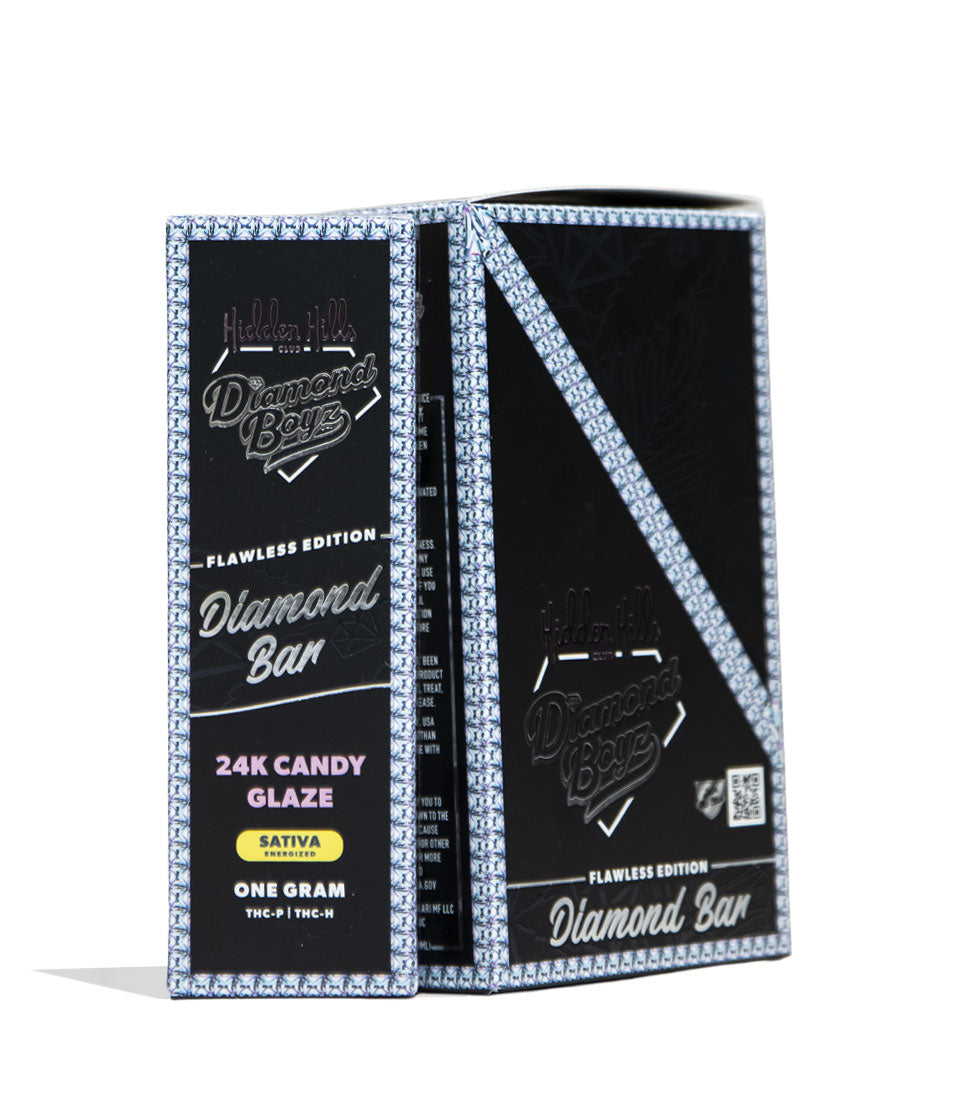
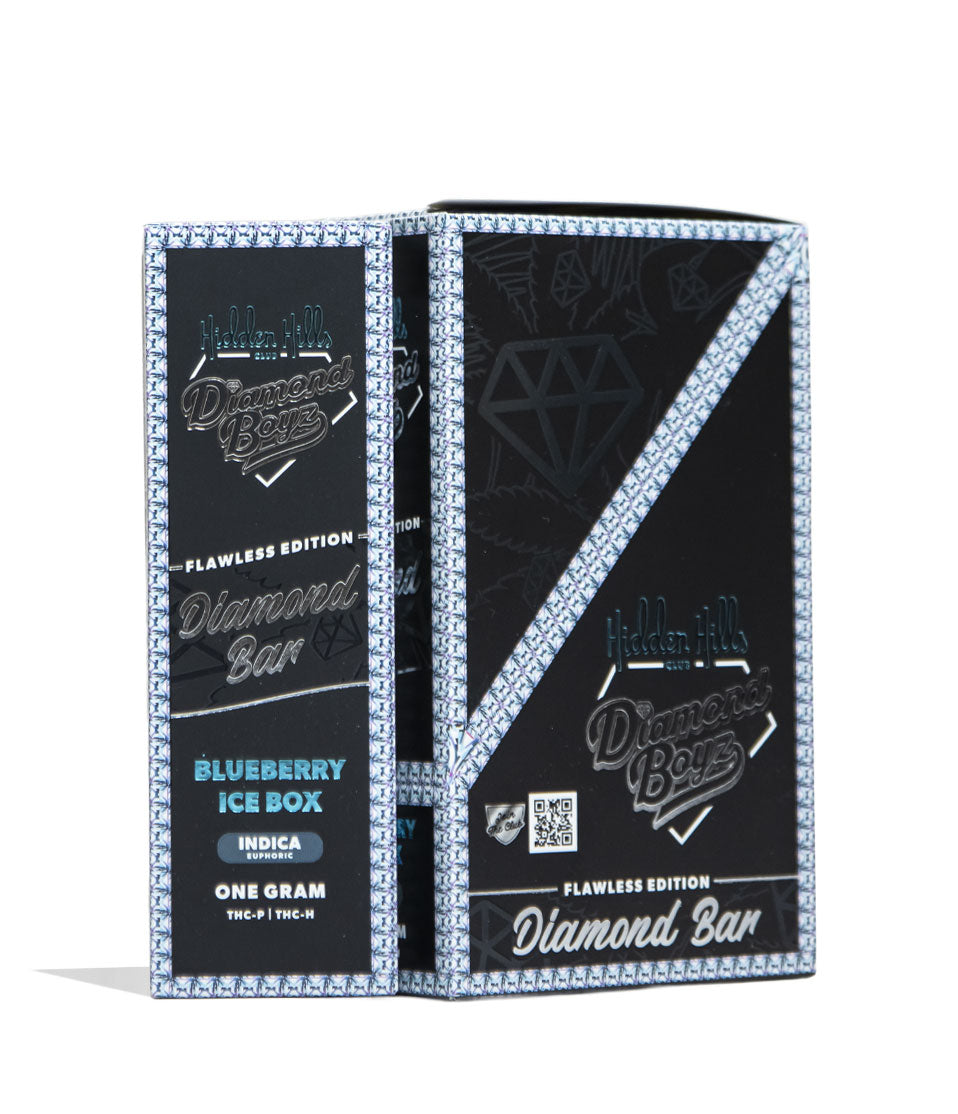
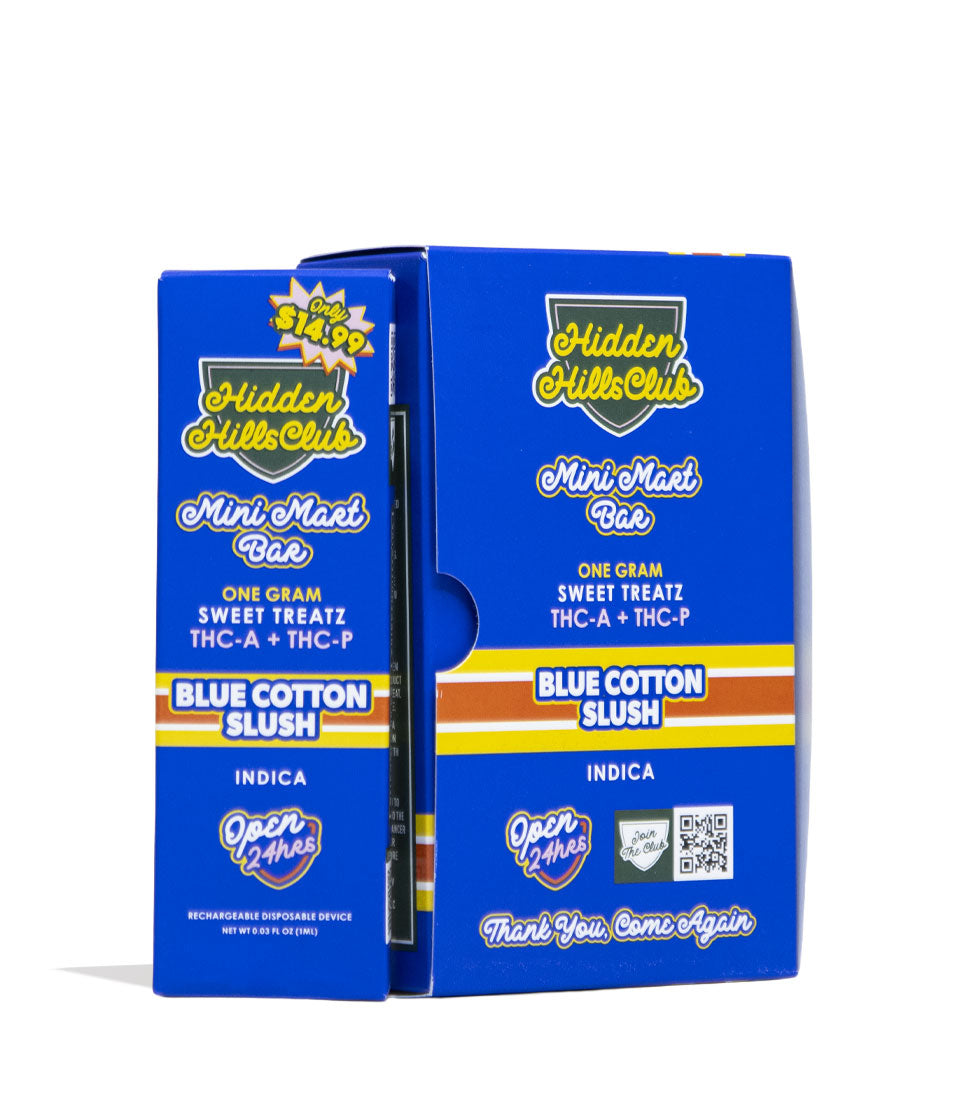
Stock up on the products featured throughout this guide, ready to add to your next wholesale order.
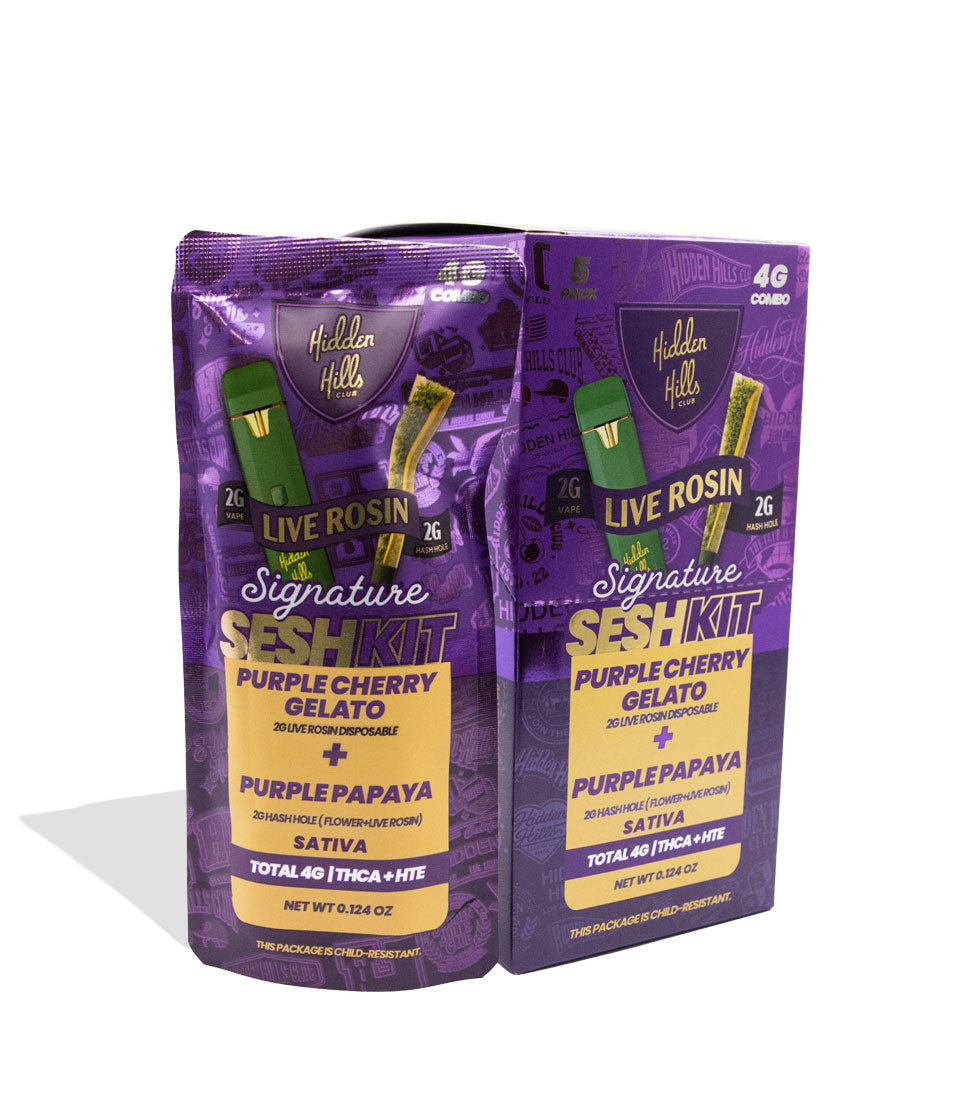
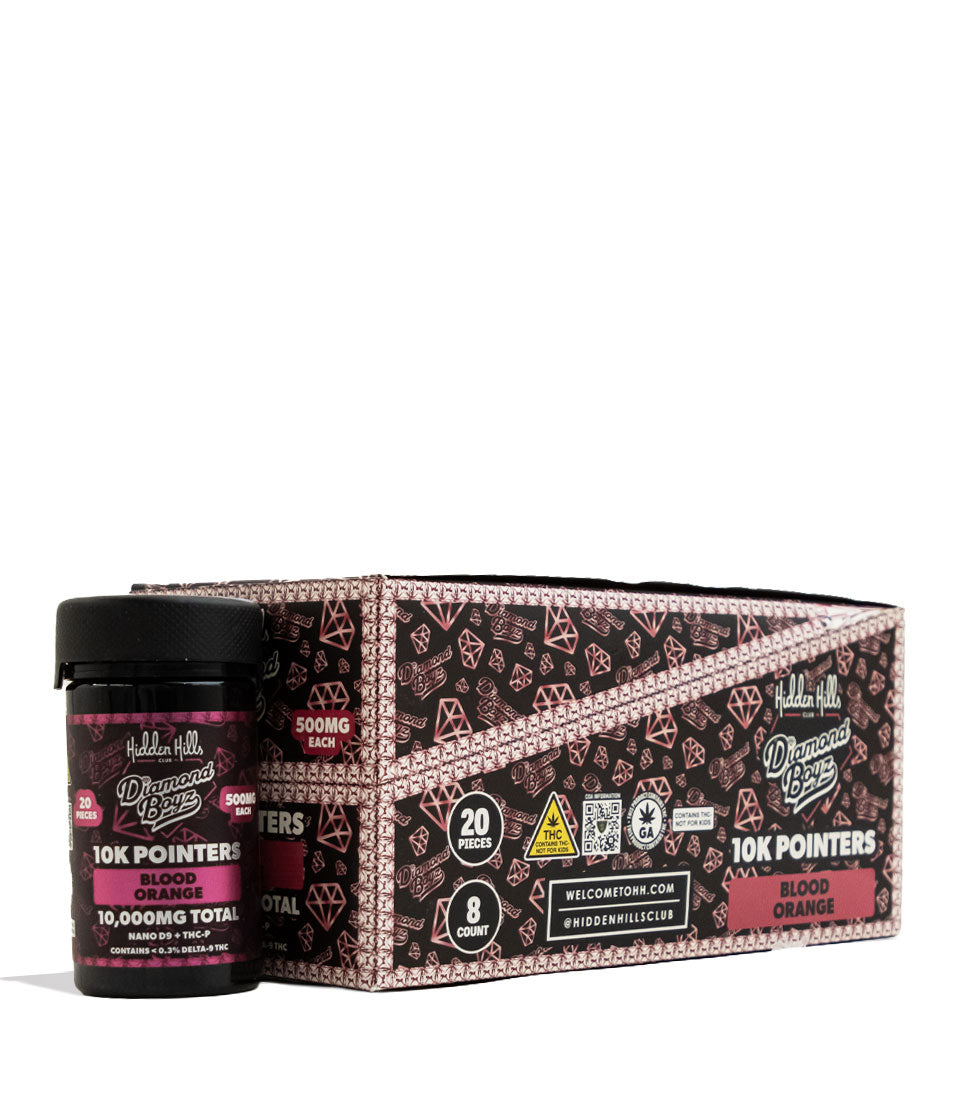
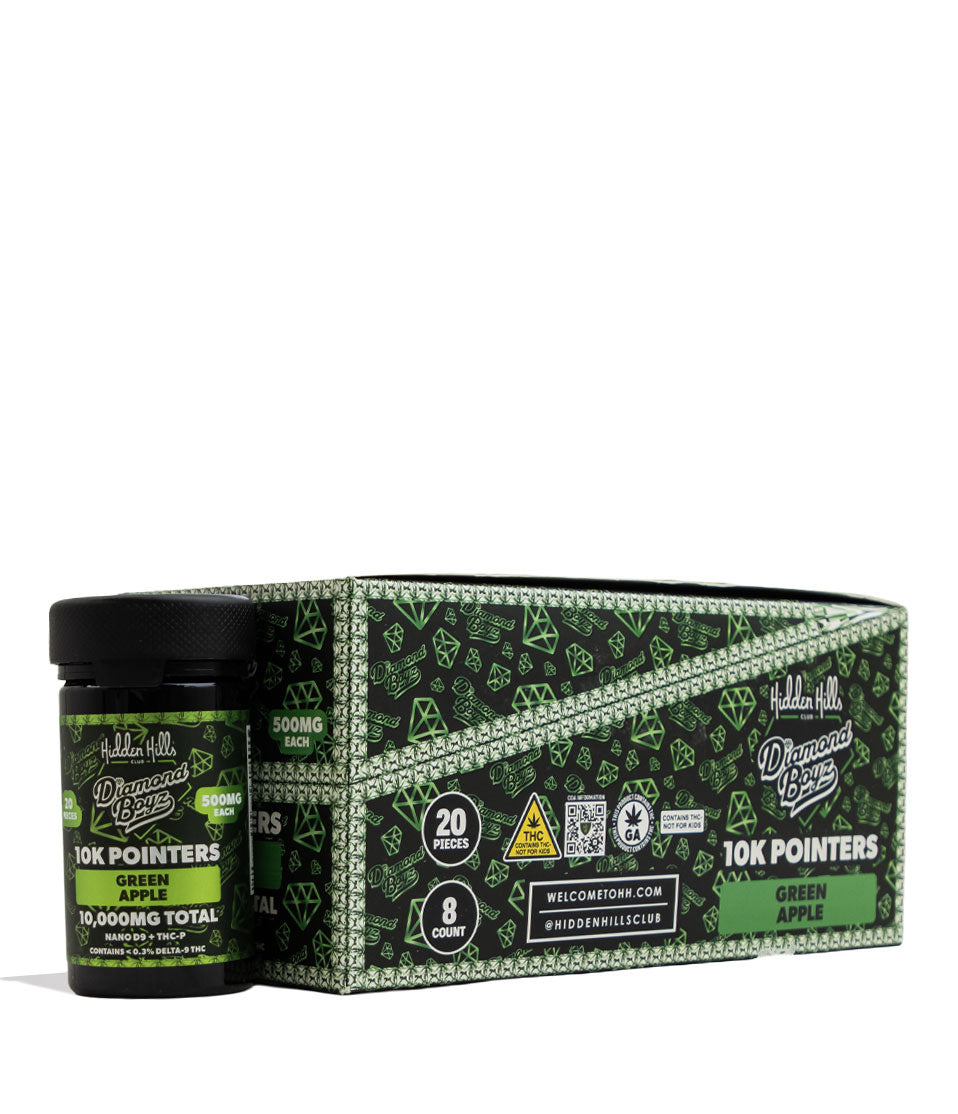
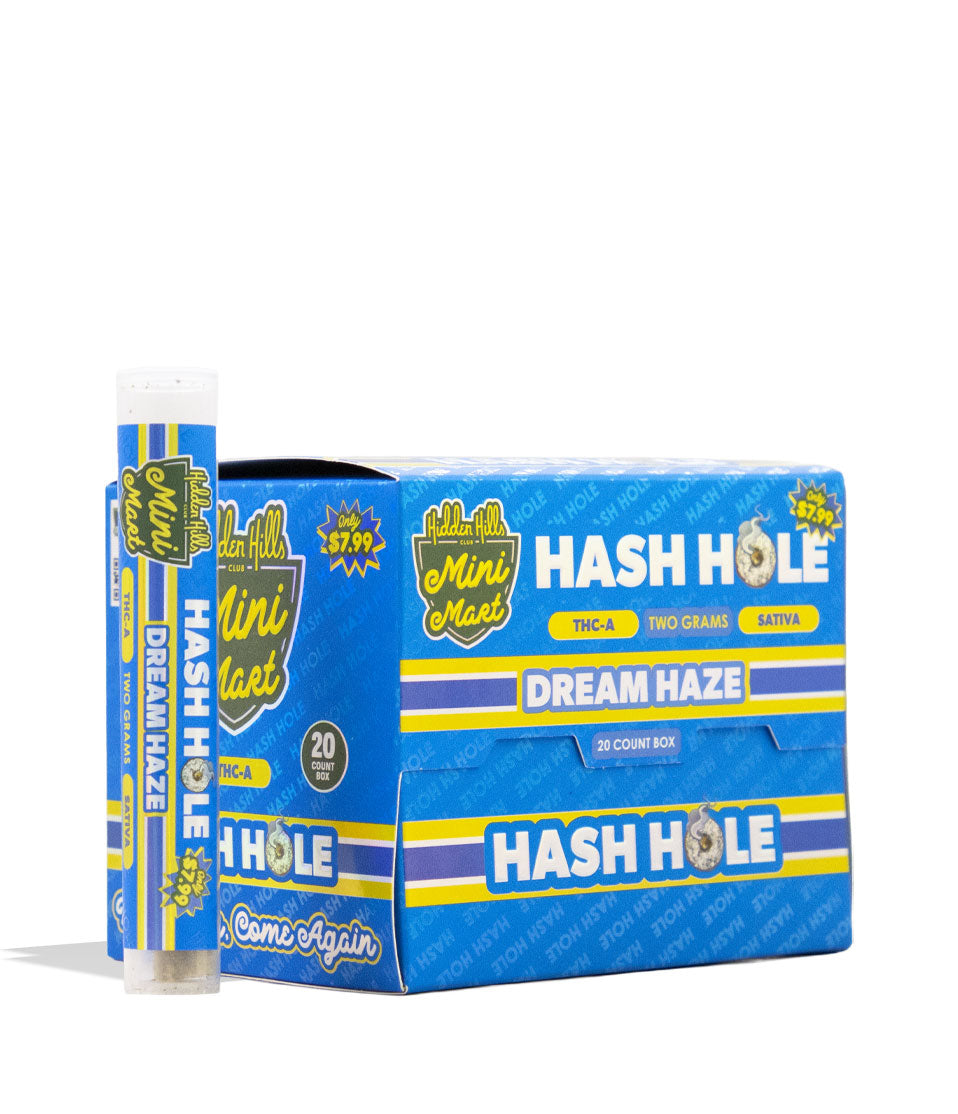
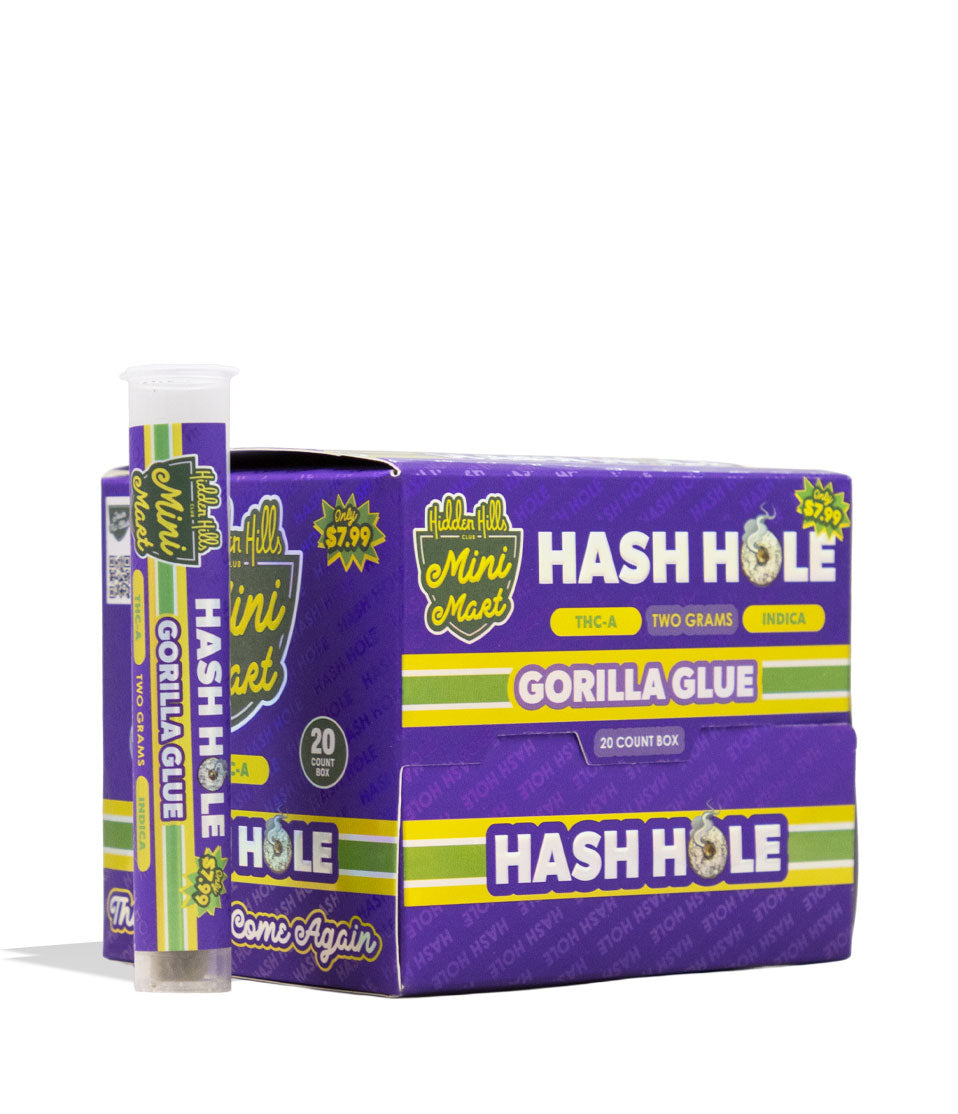
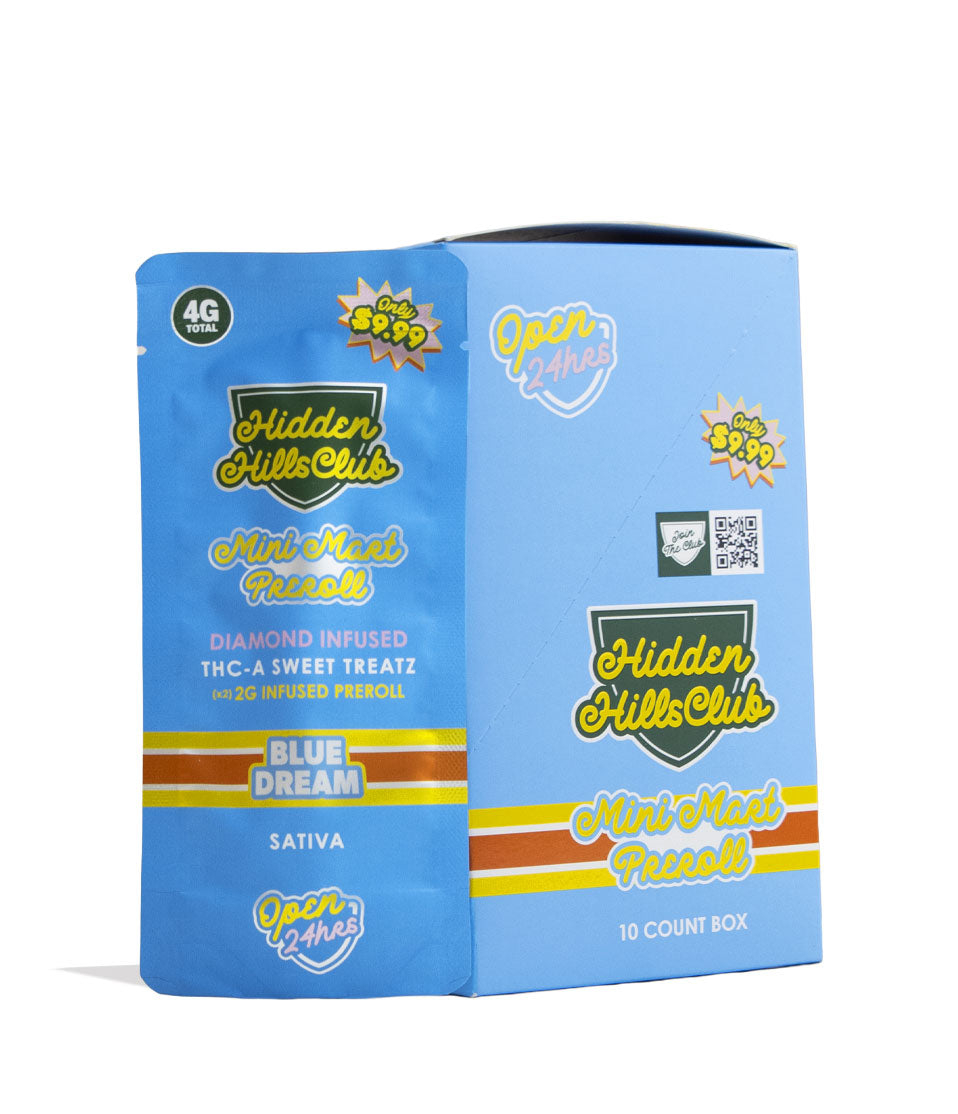
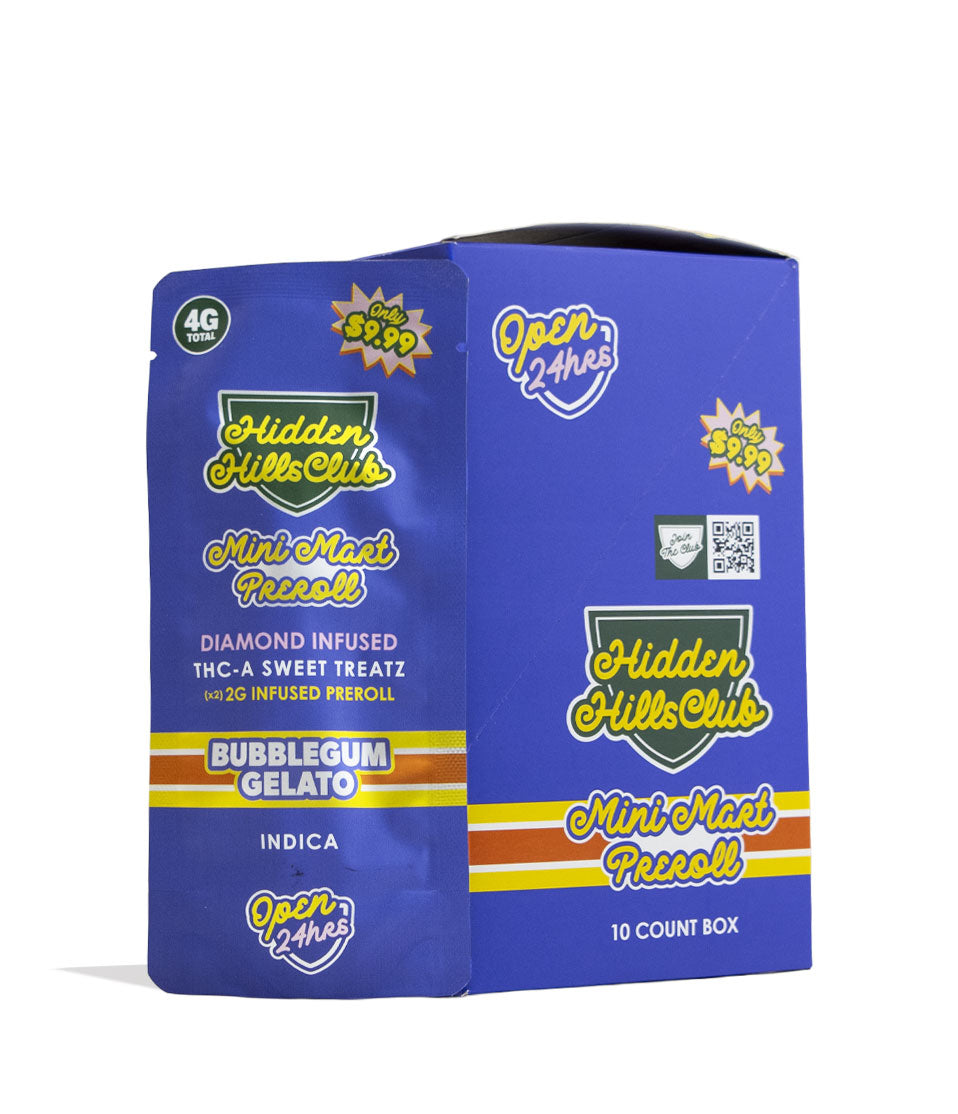
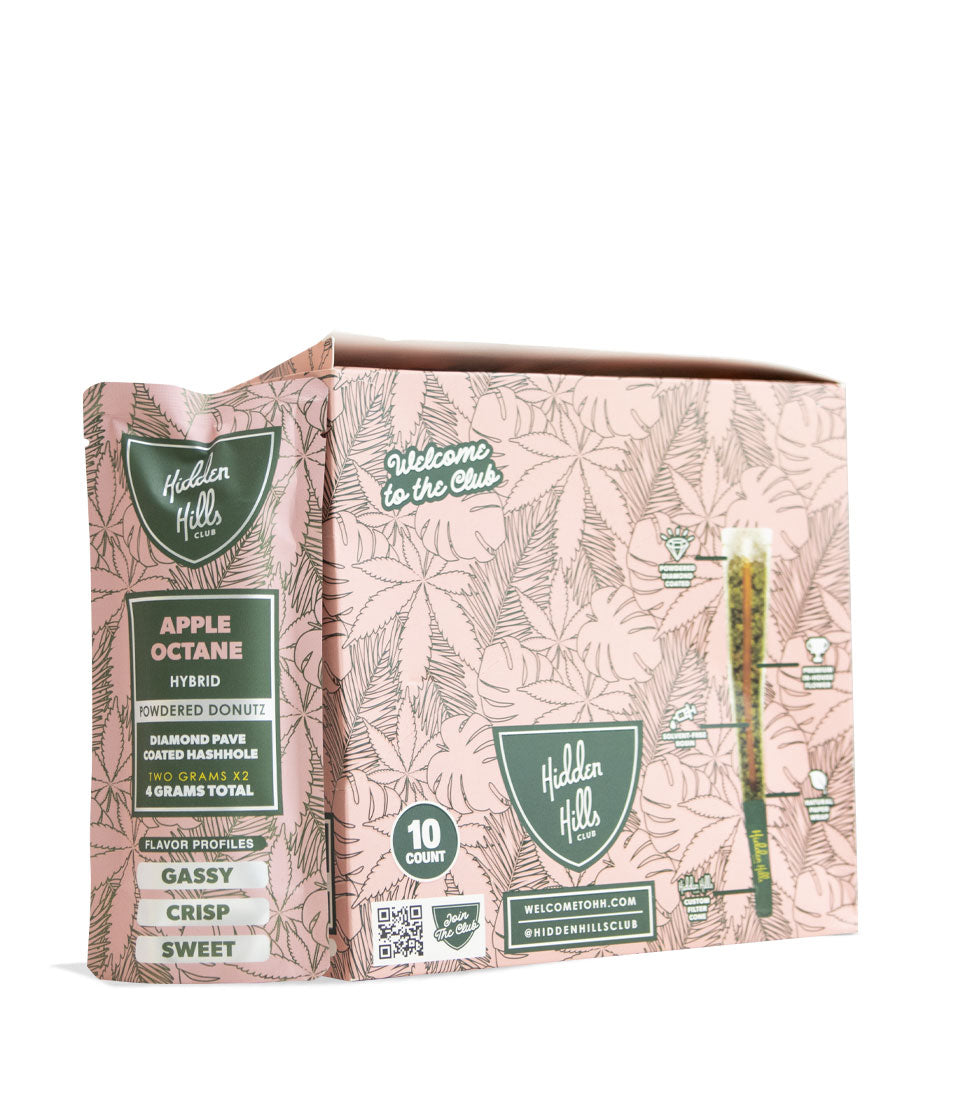
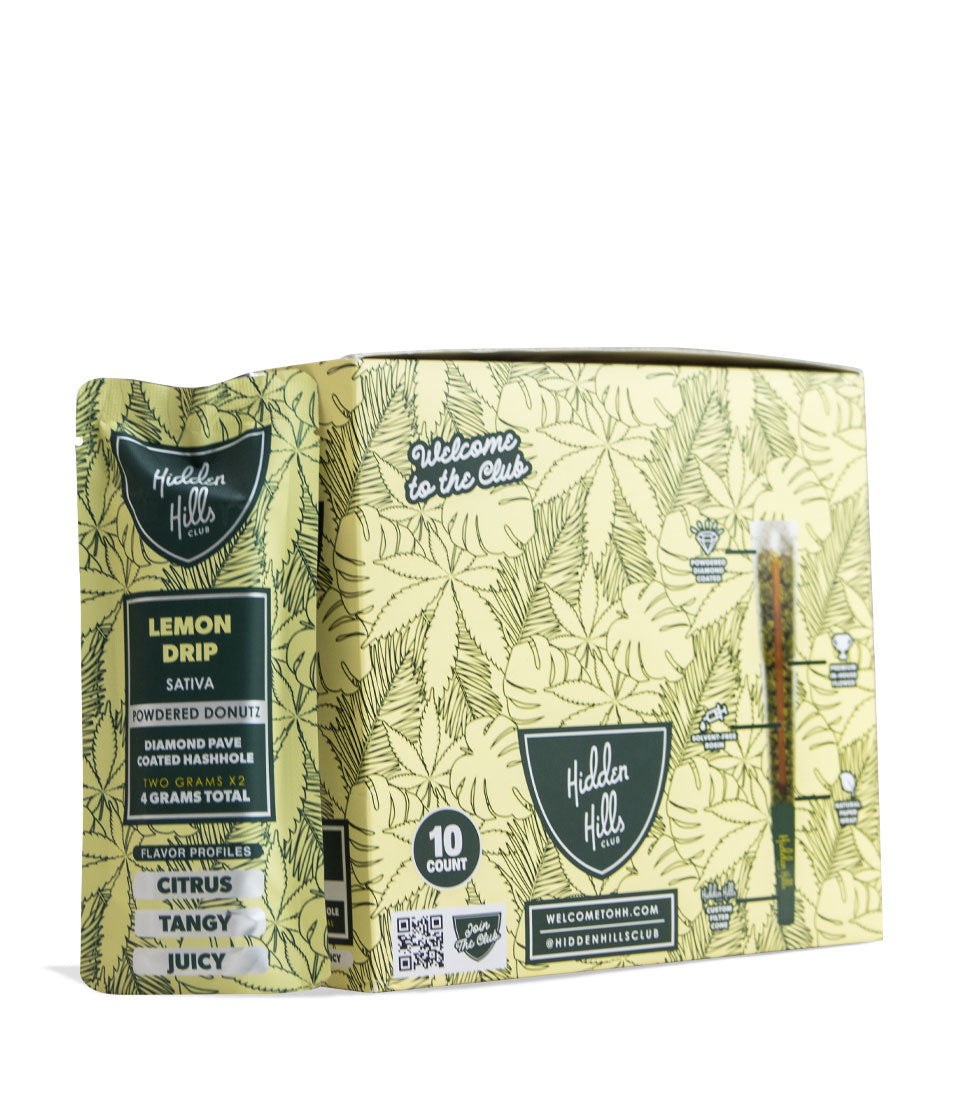
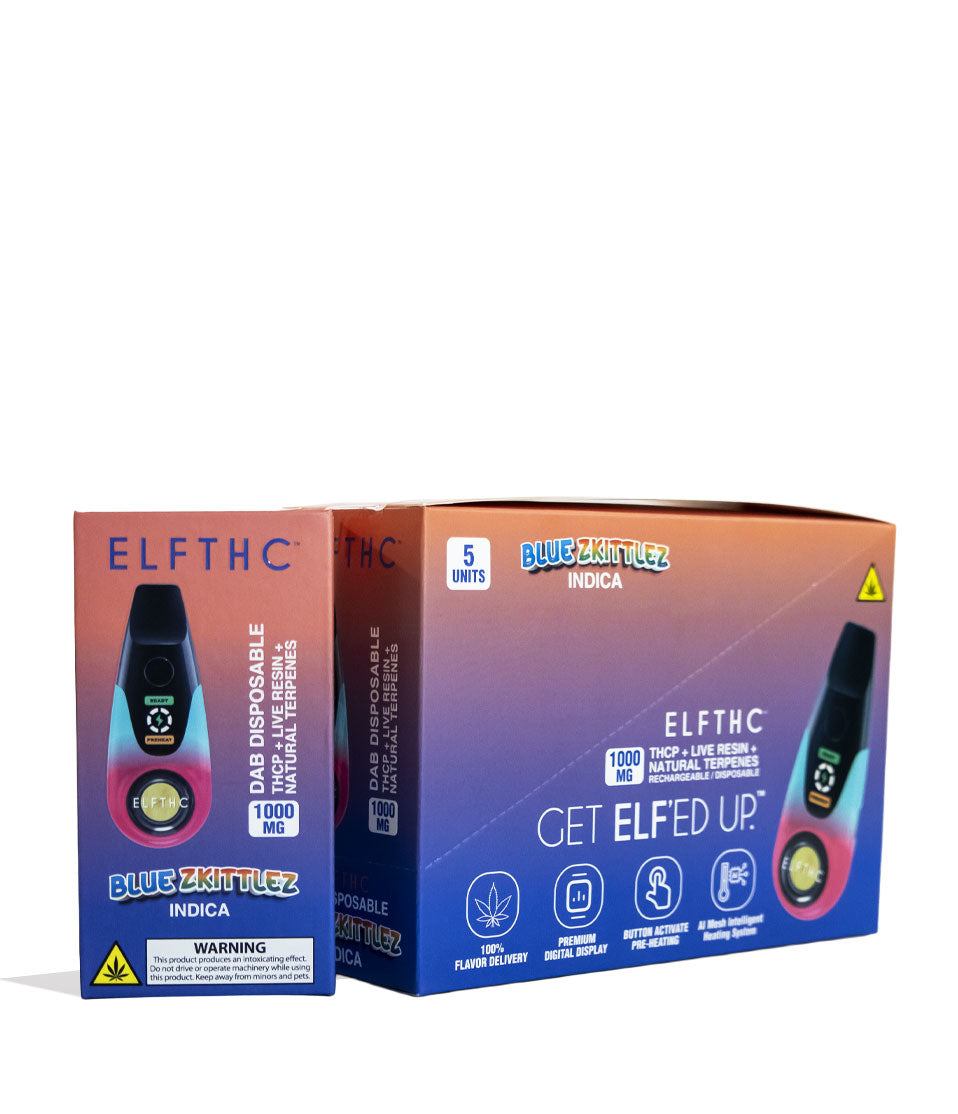
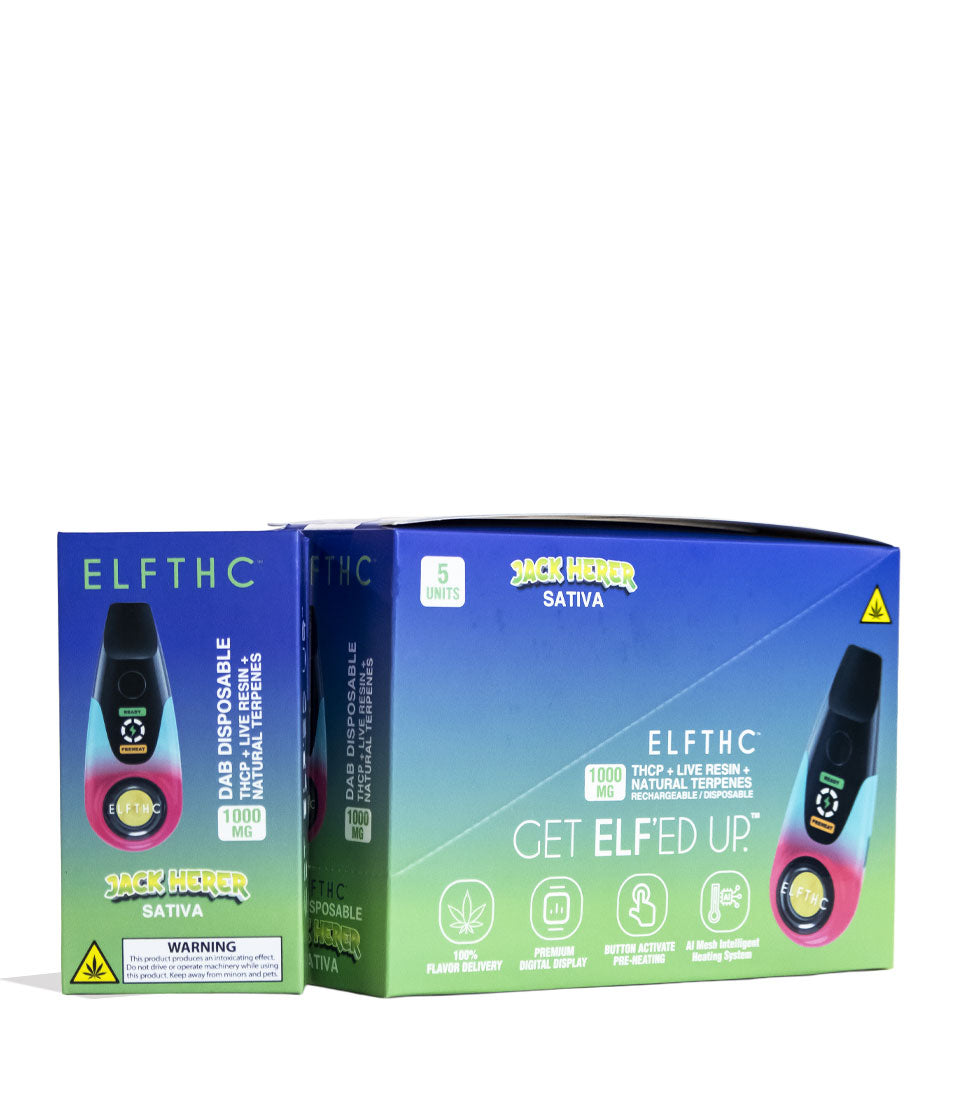
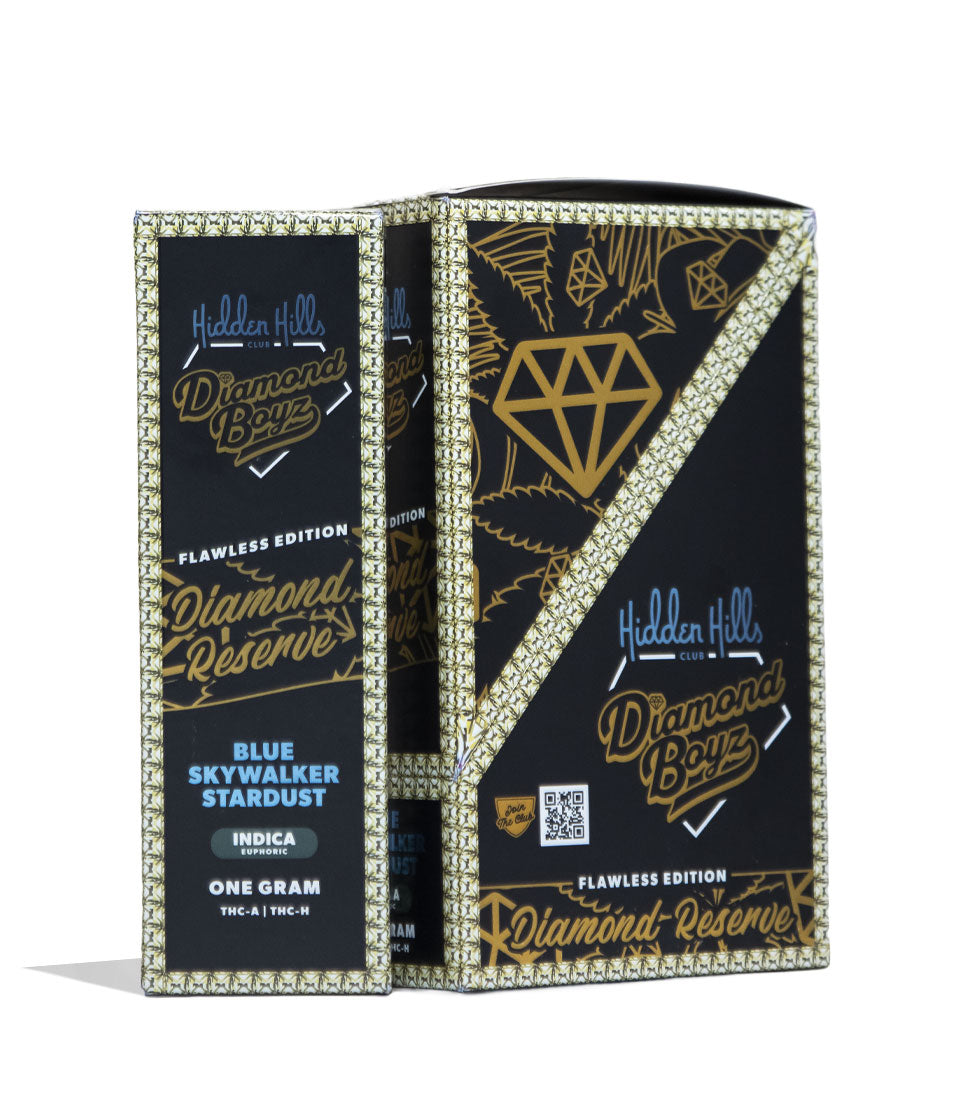
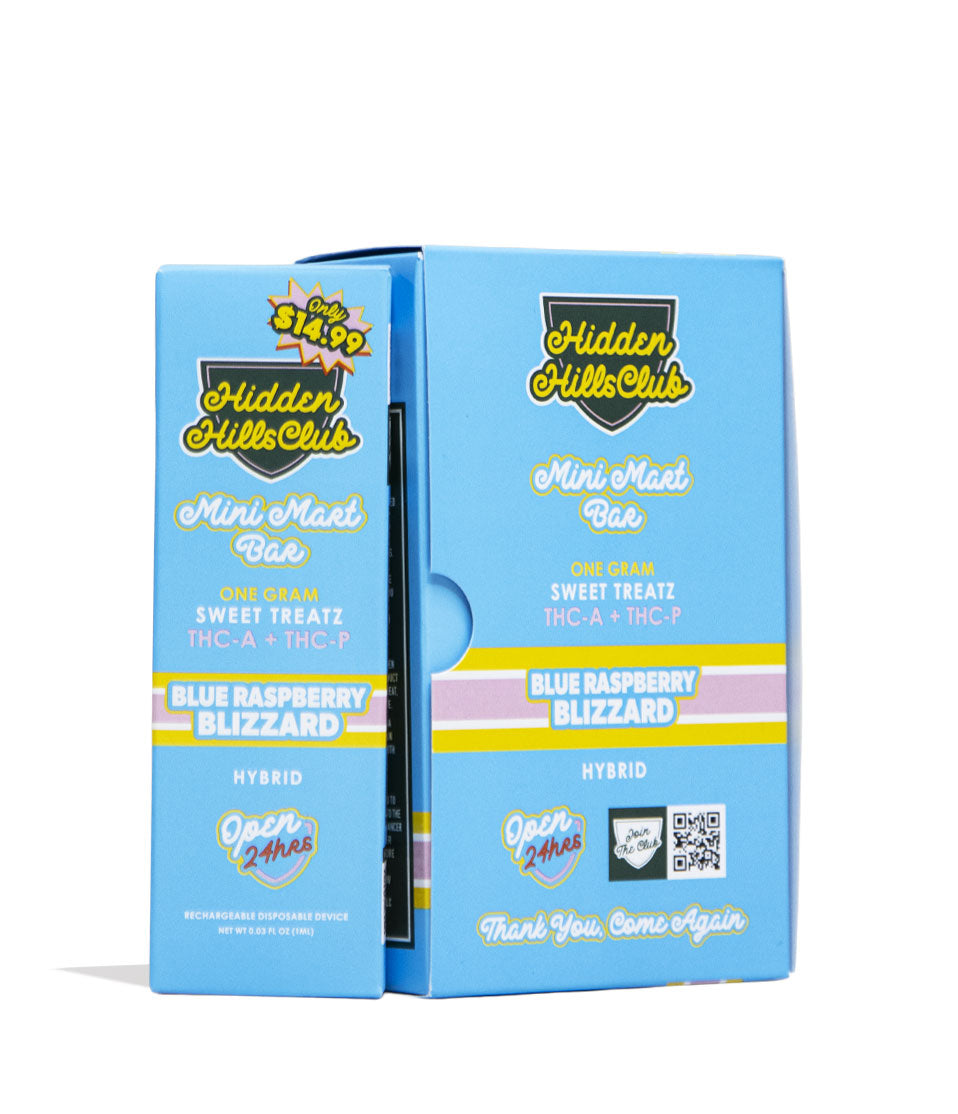
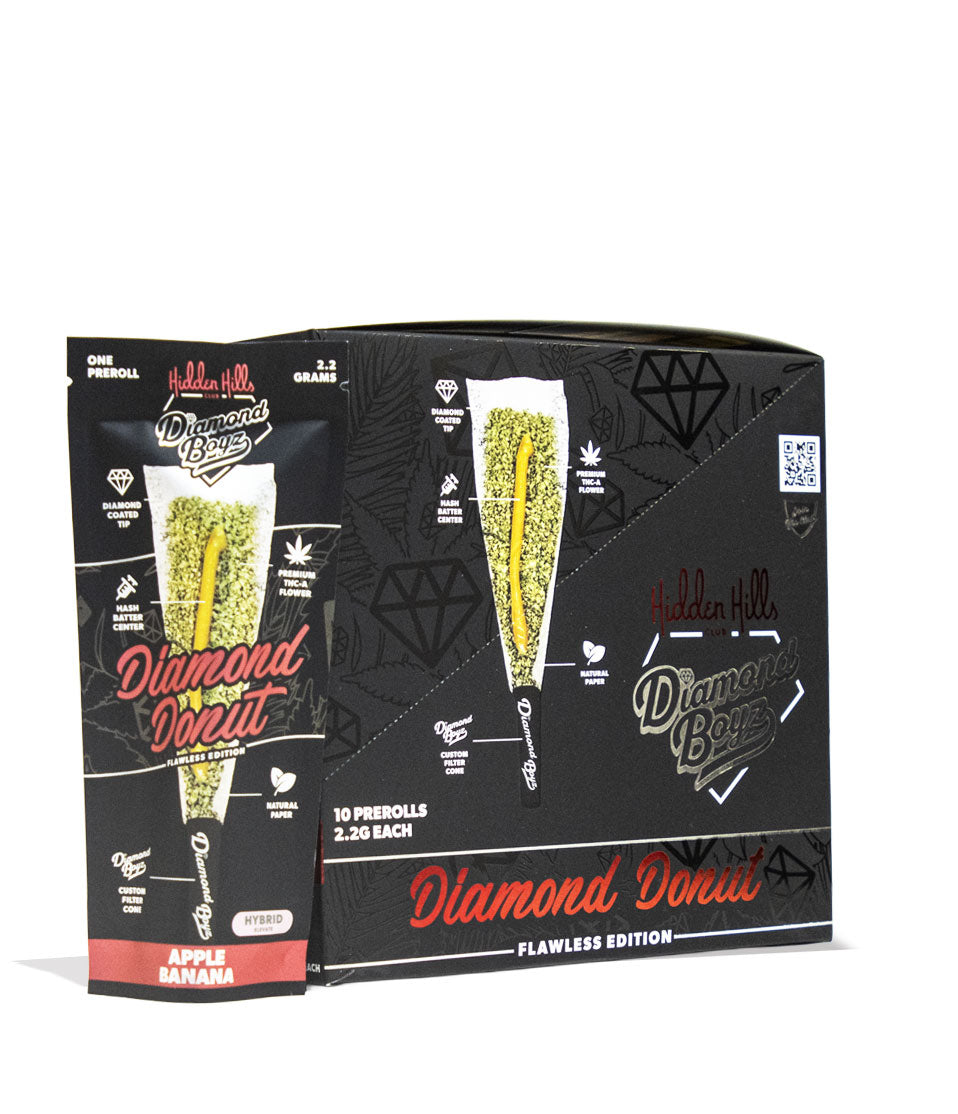
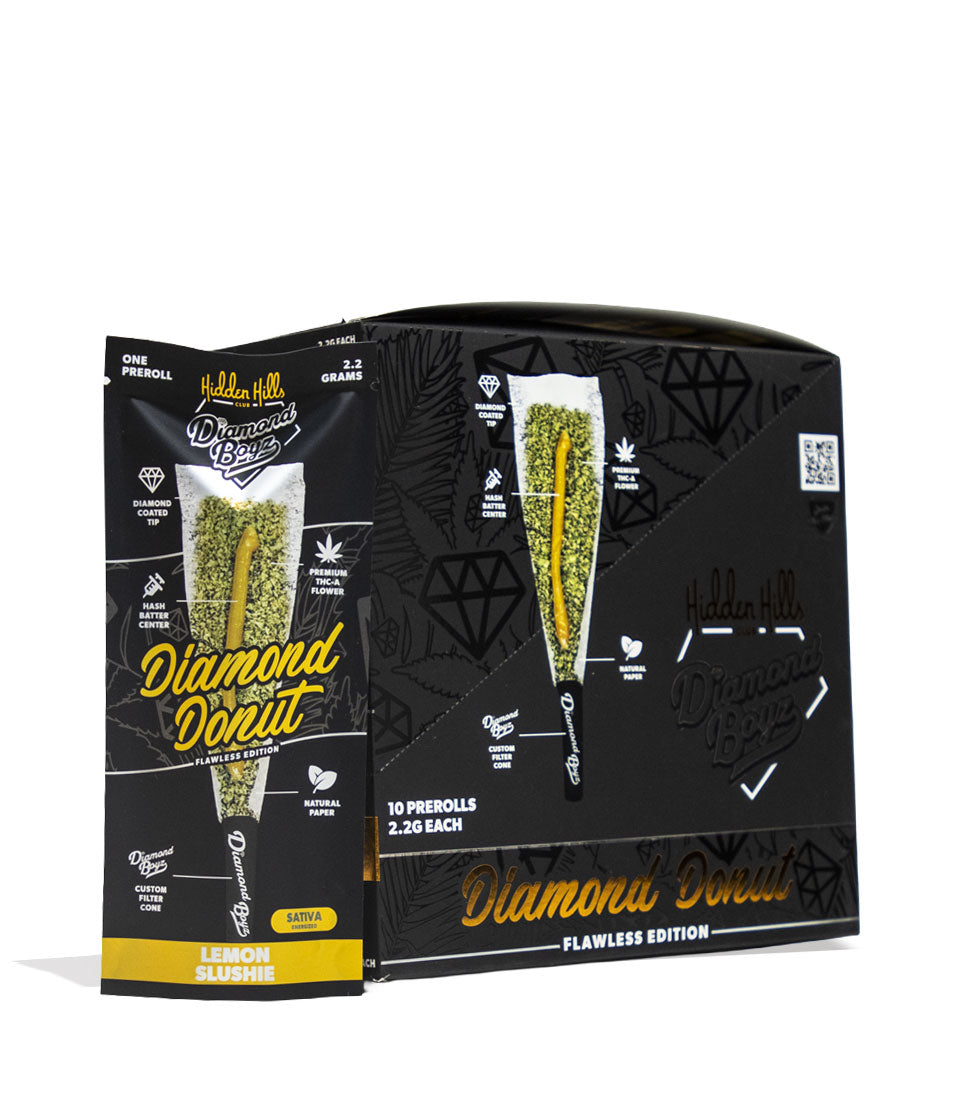
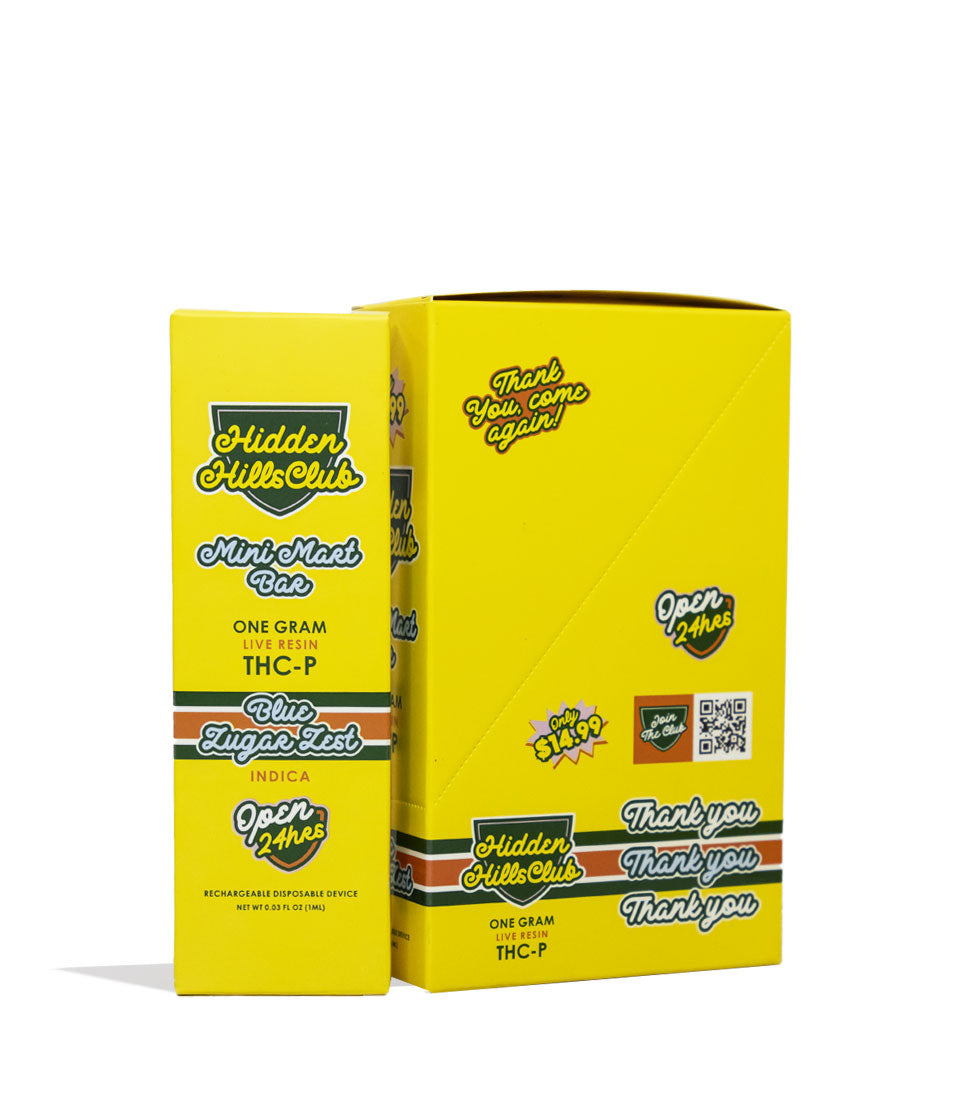
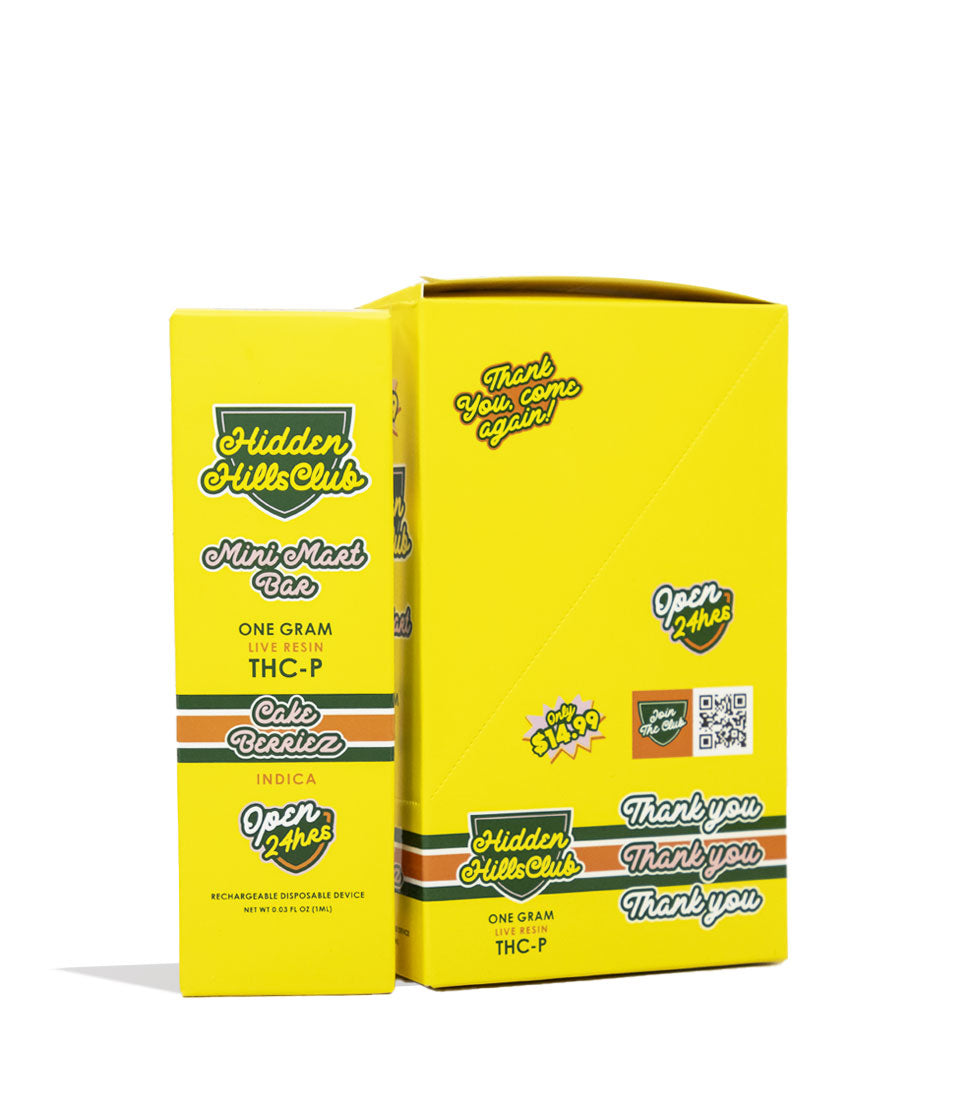
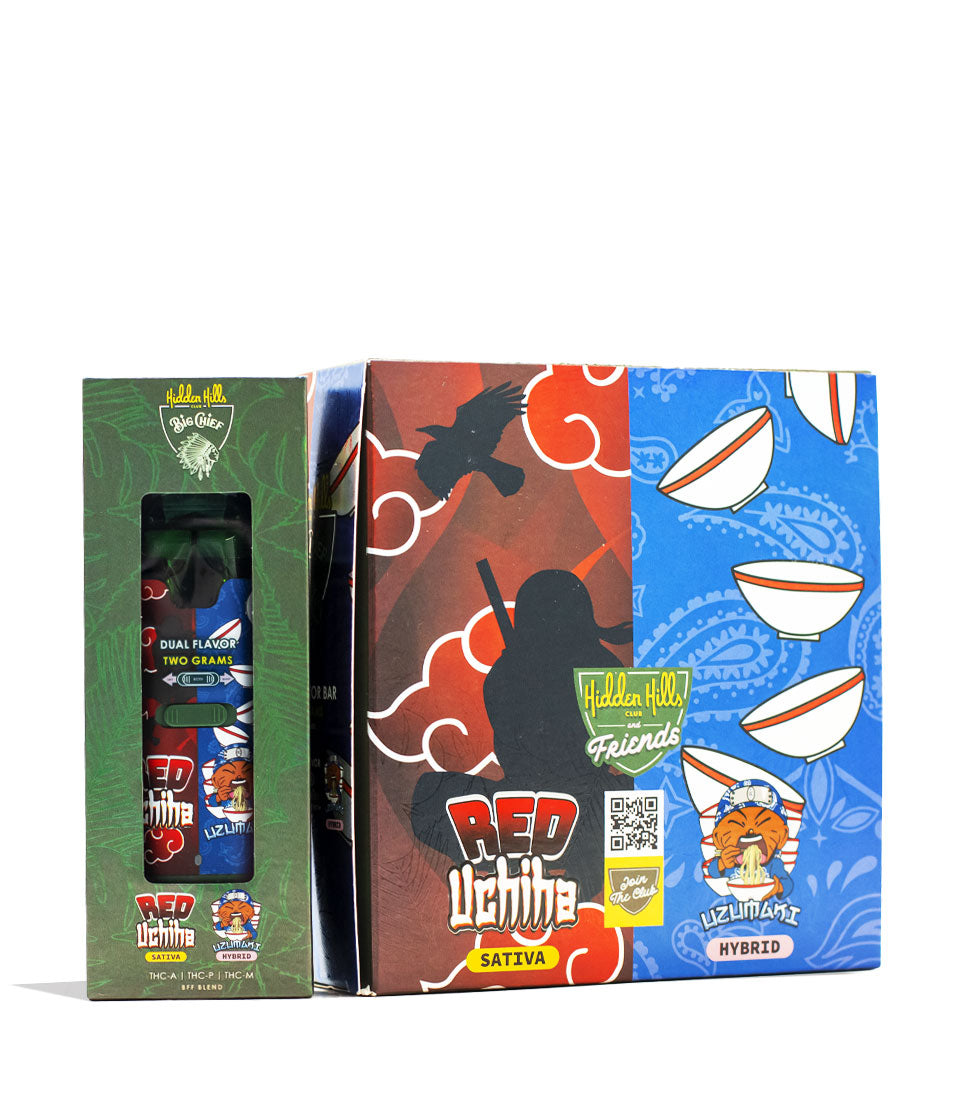
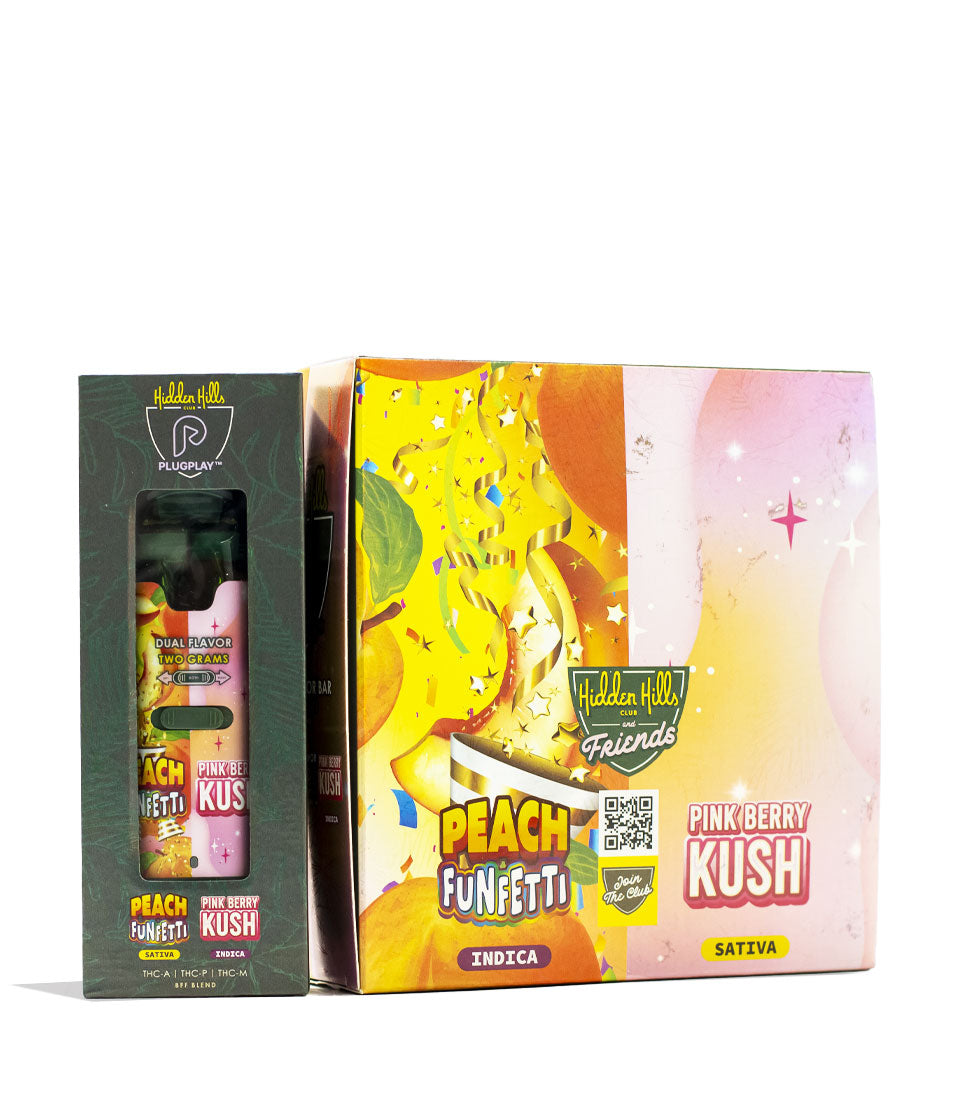
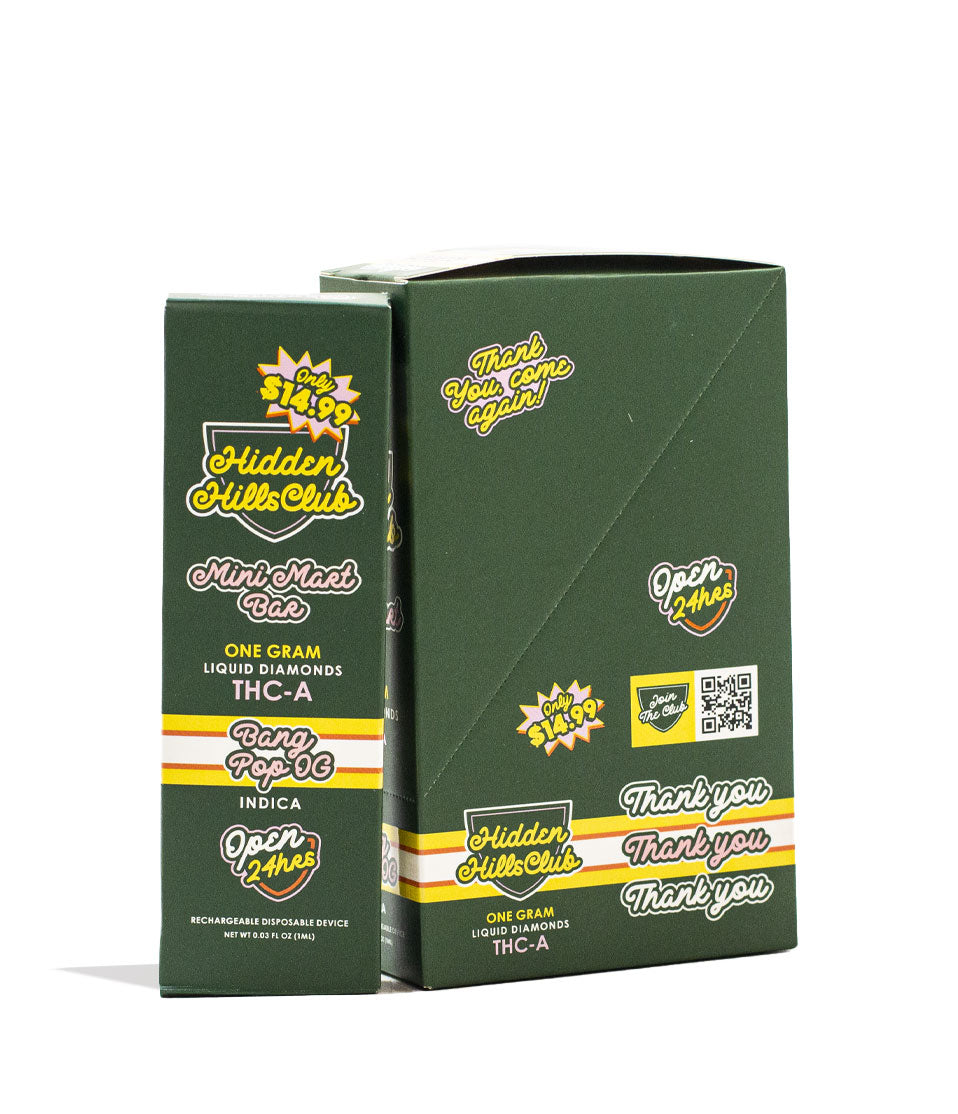
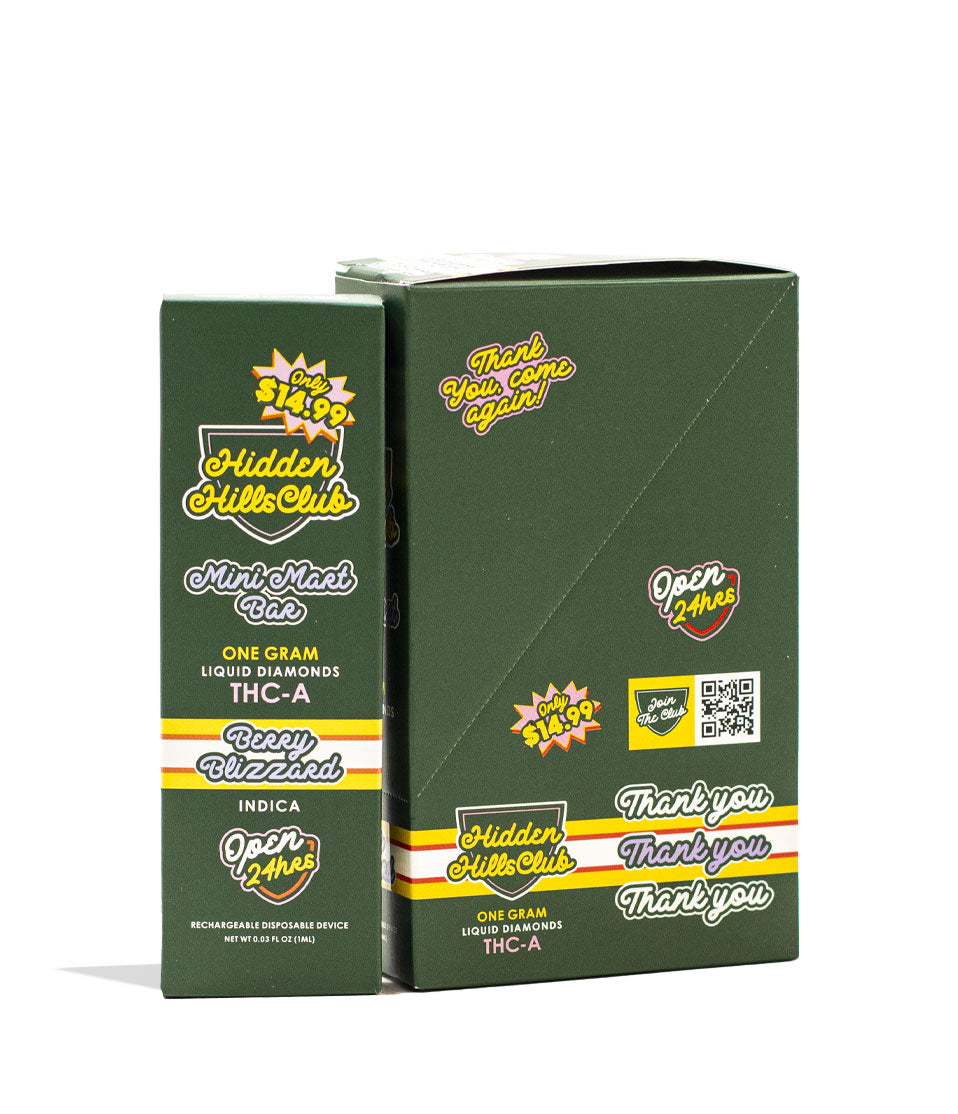
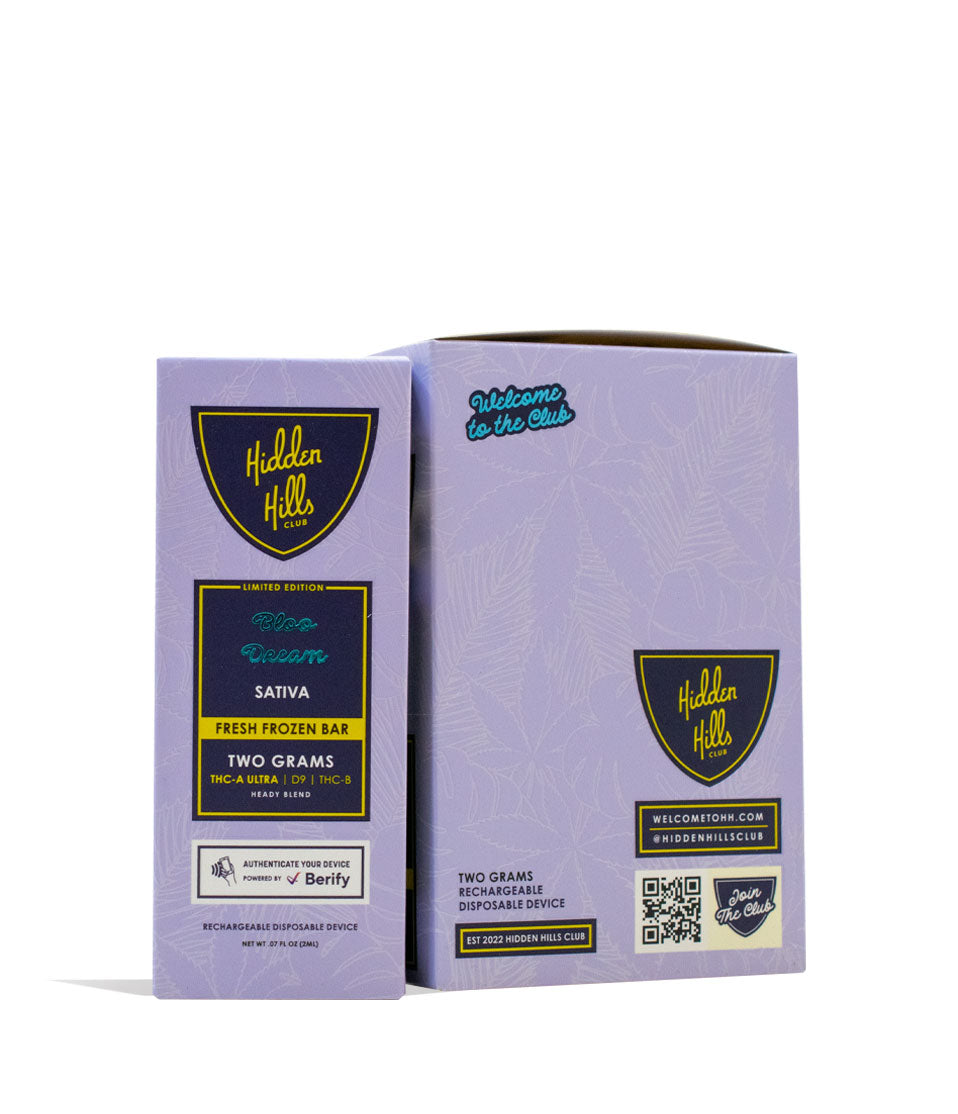
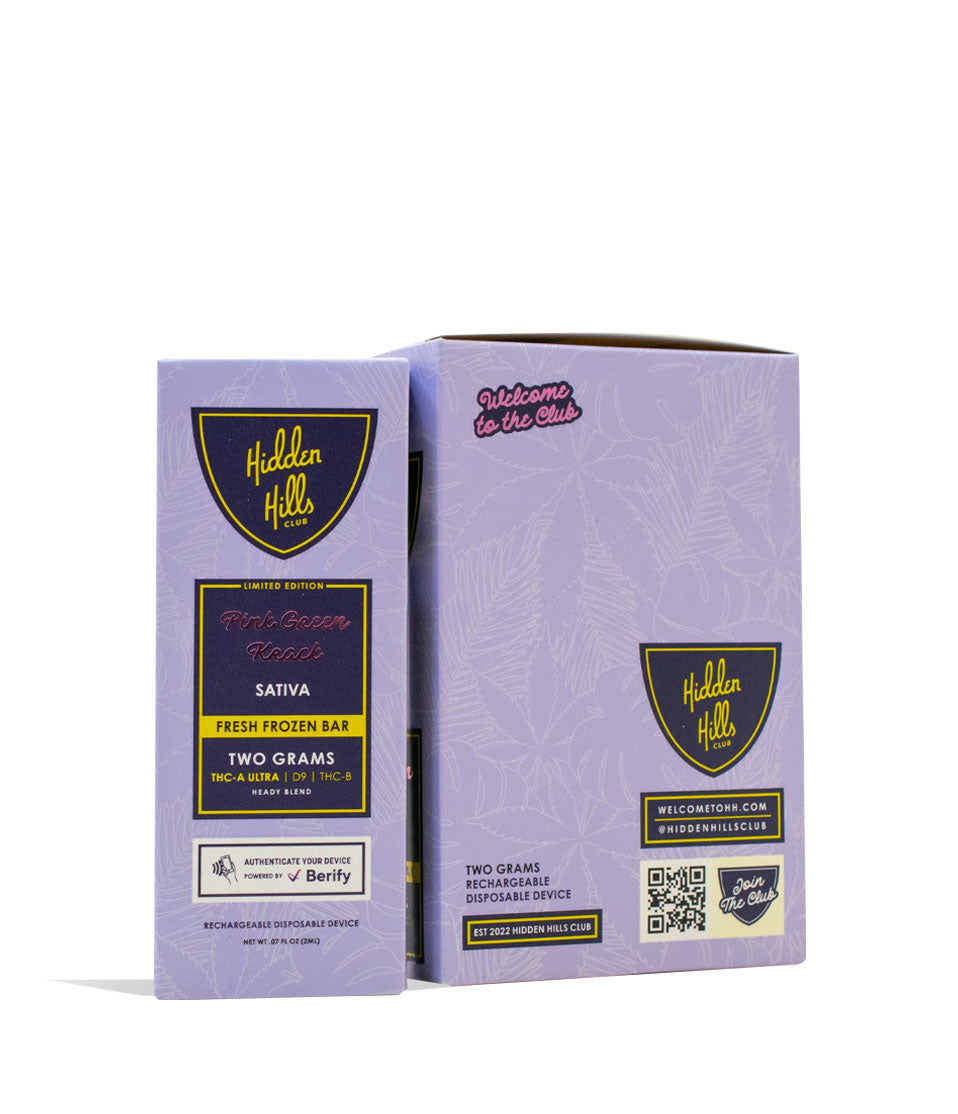
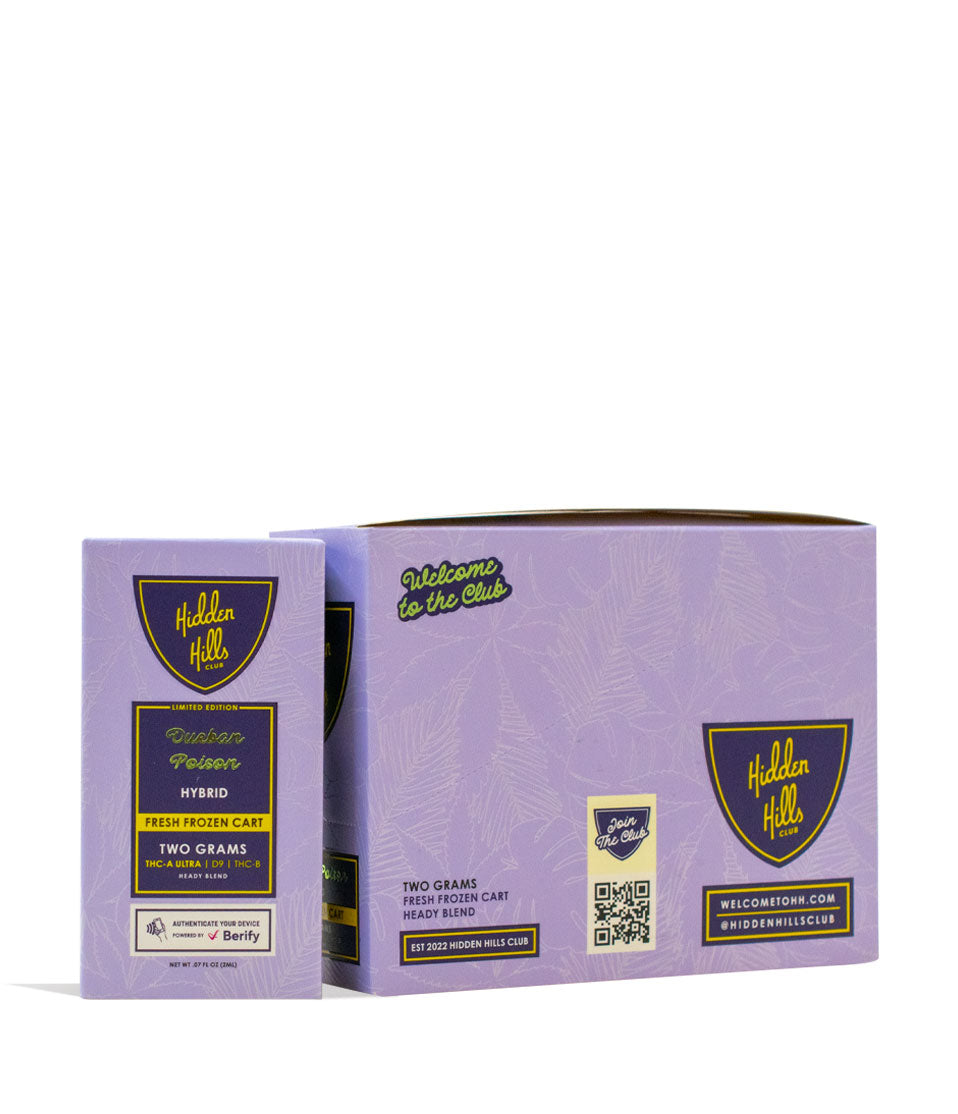
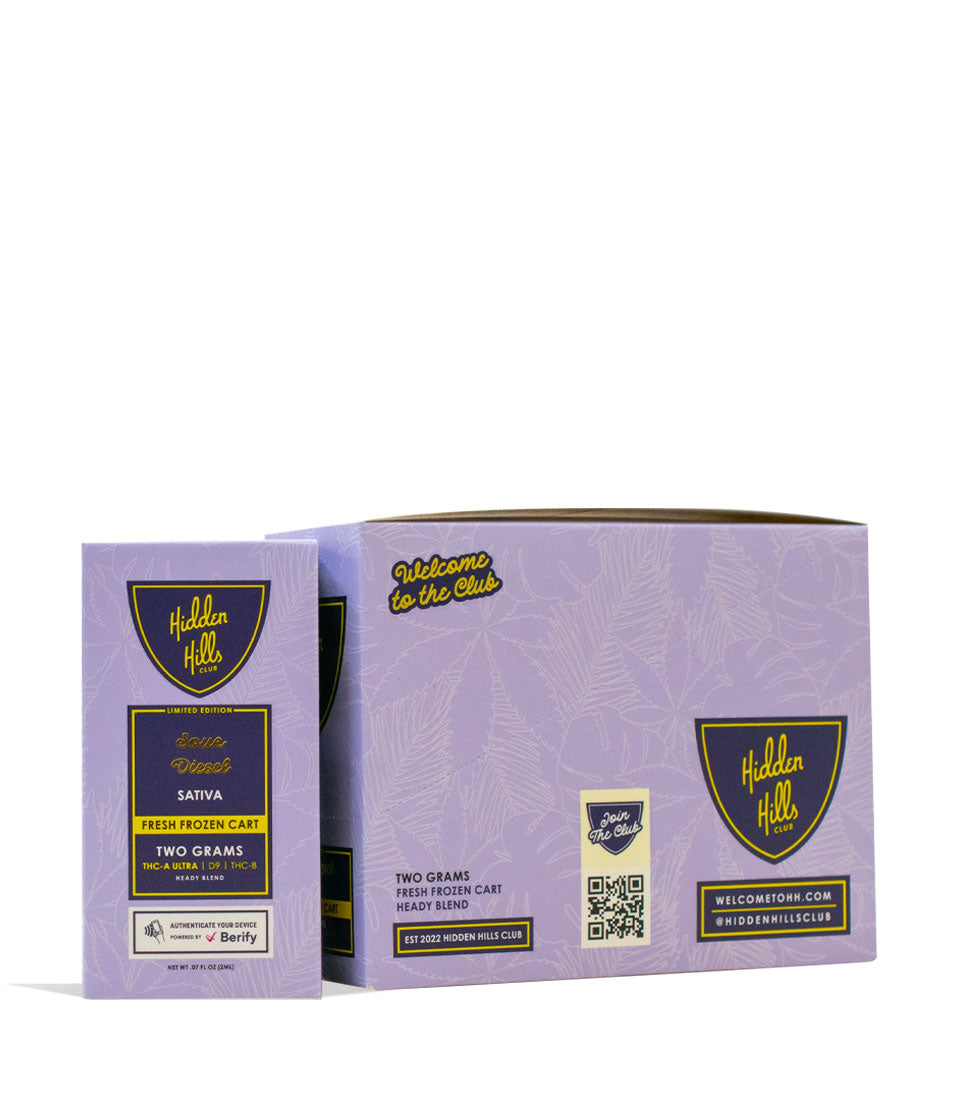
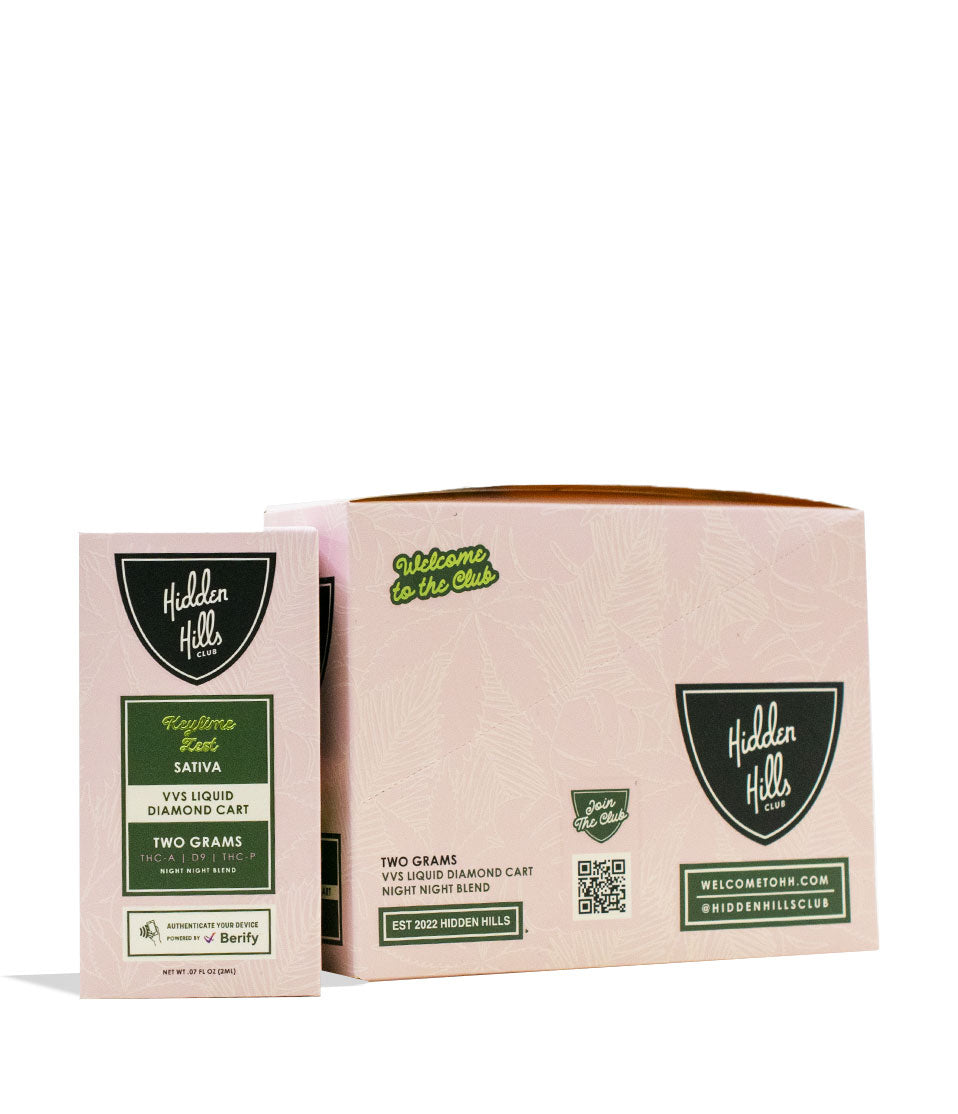
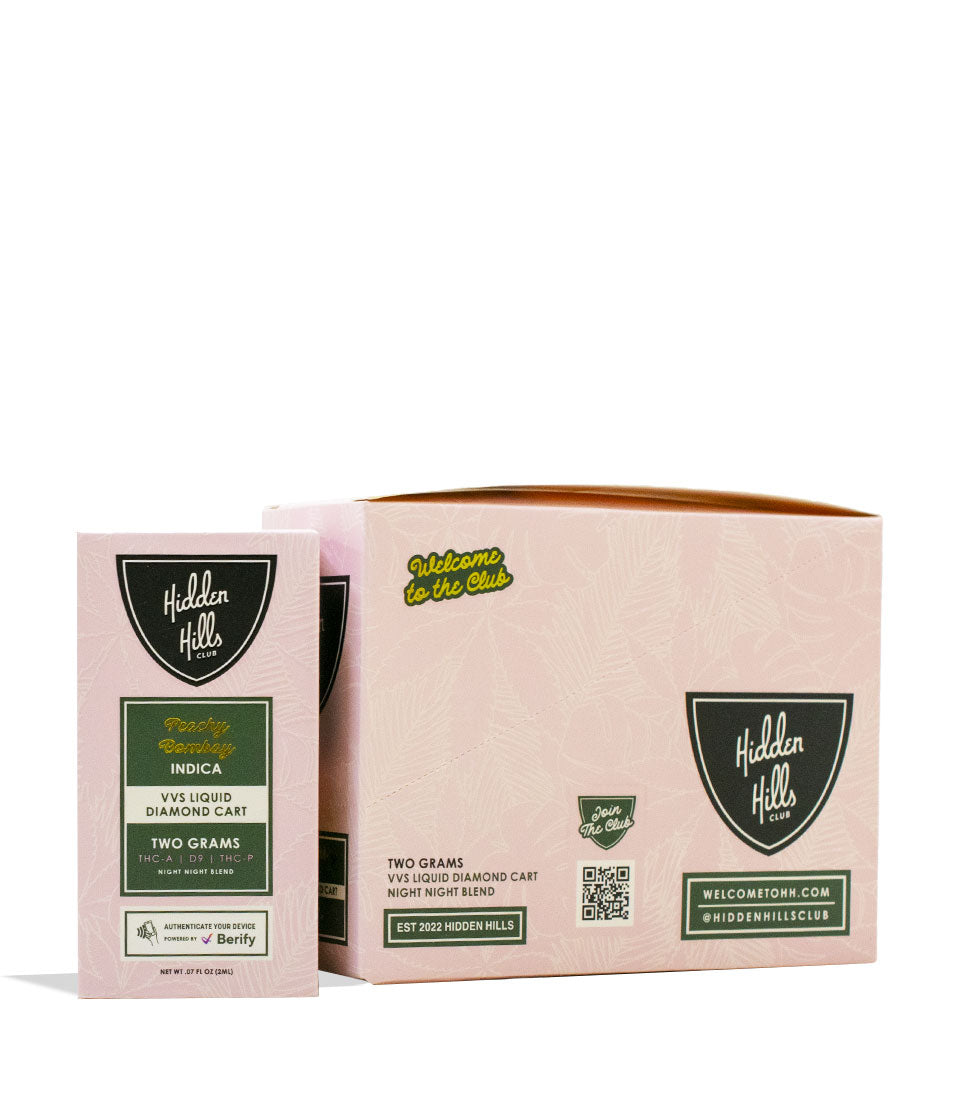
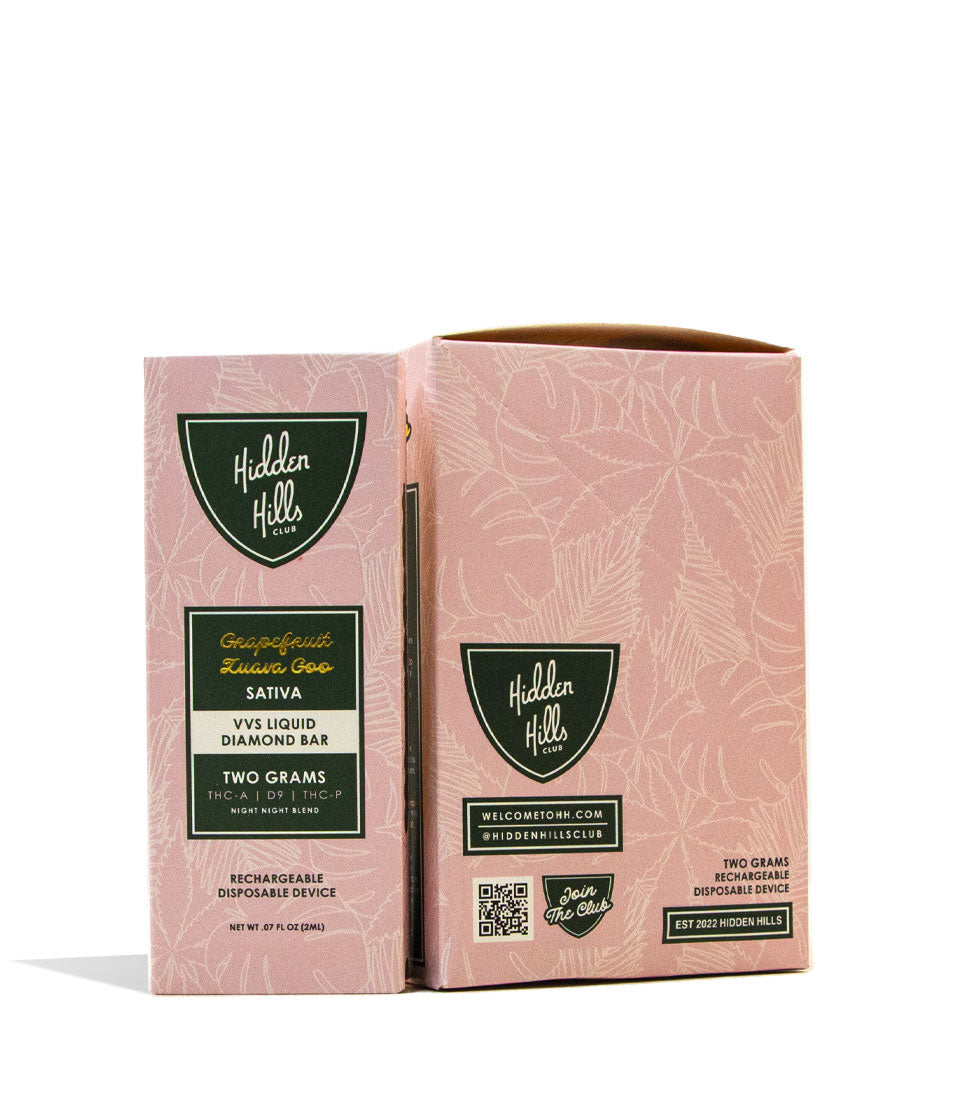
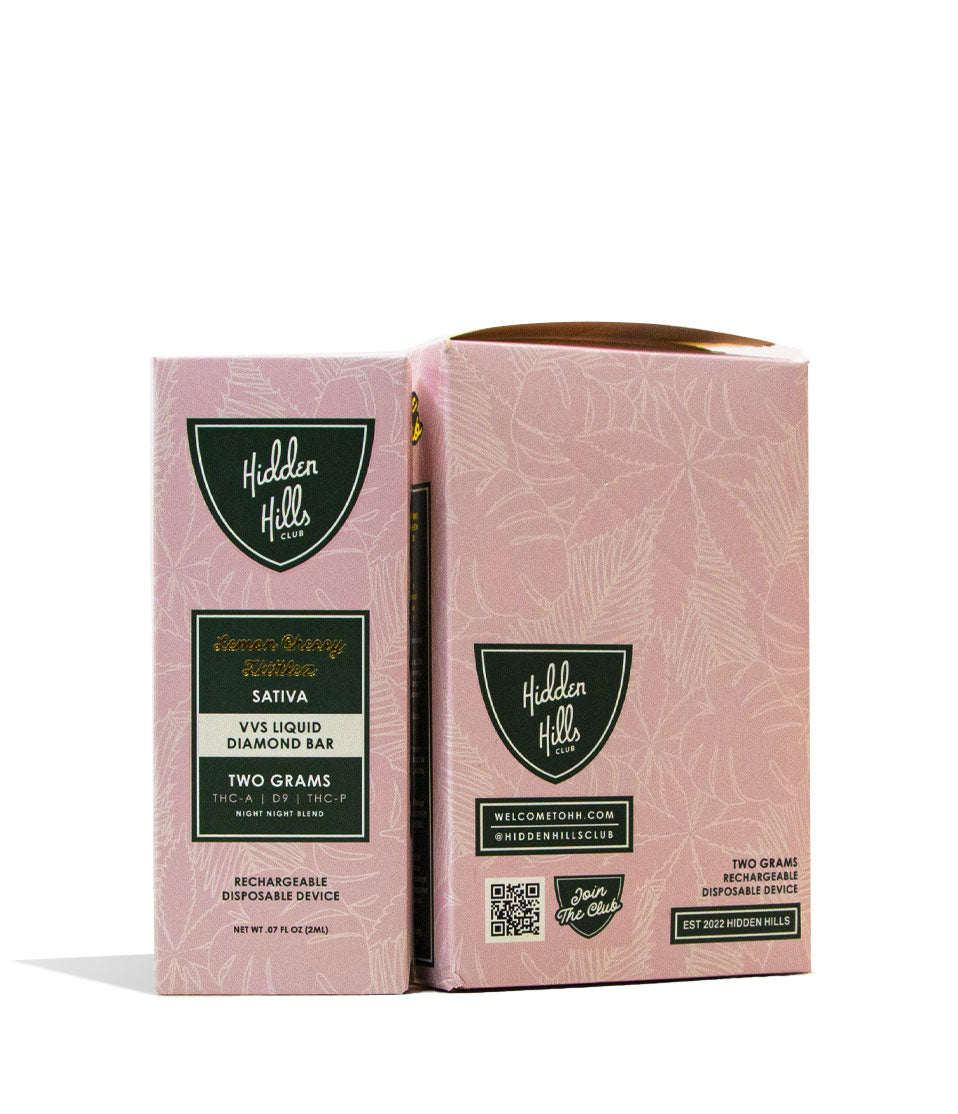
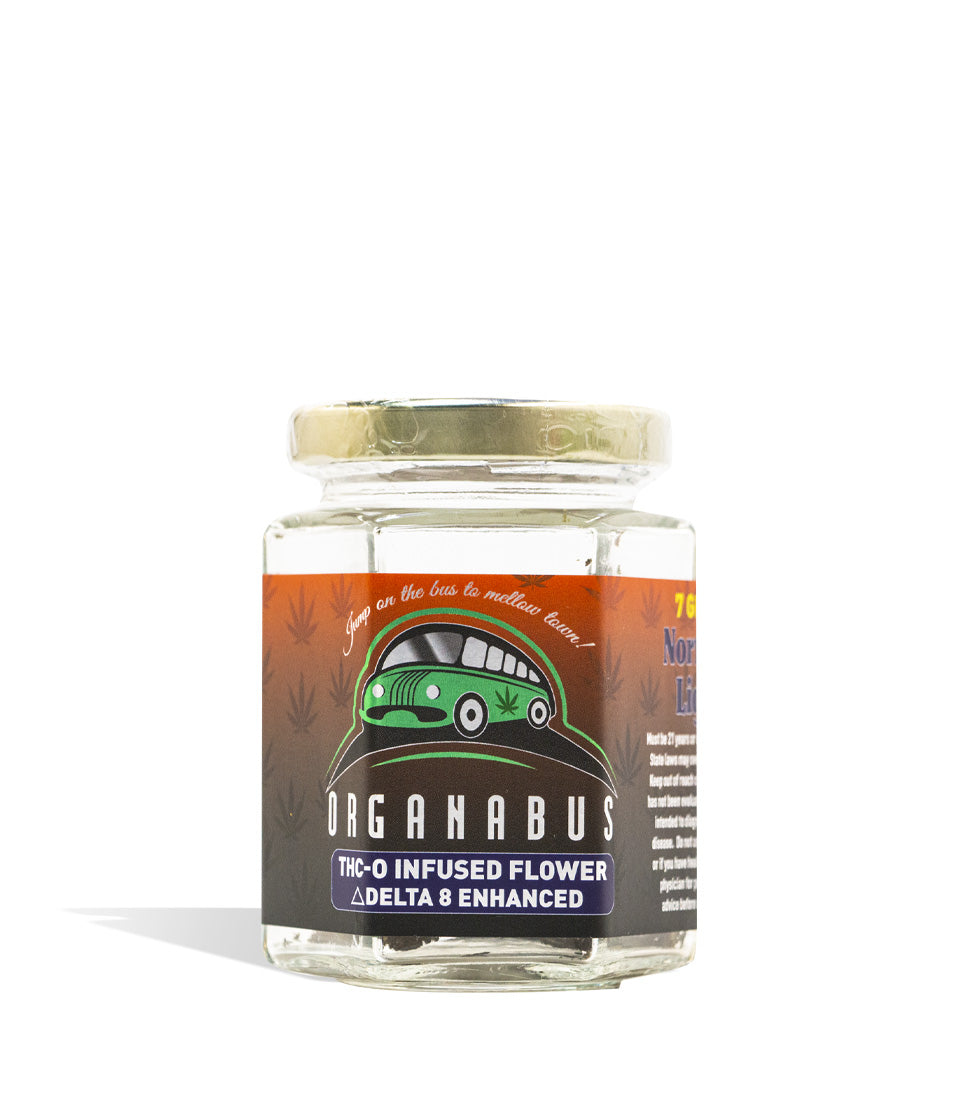
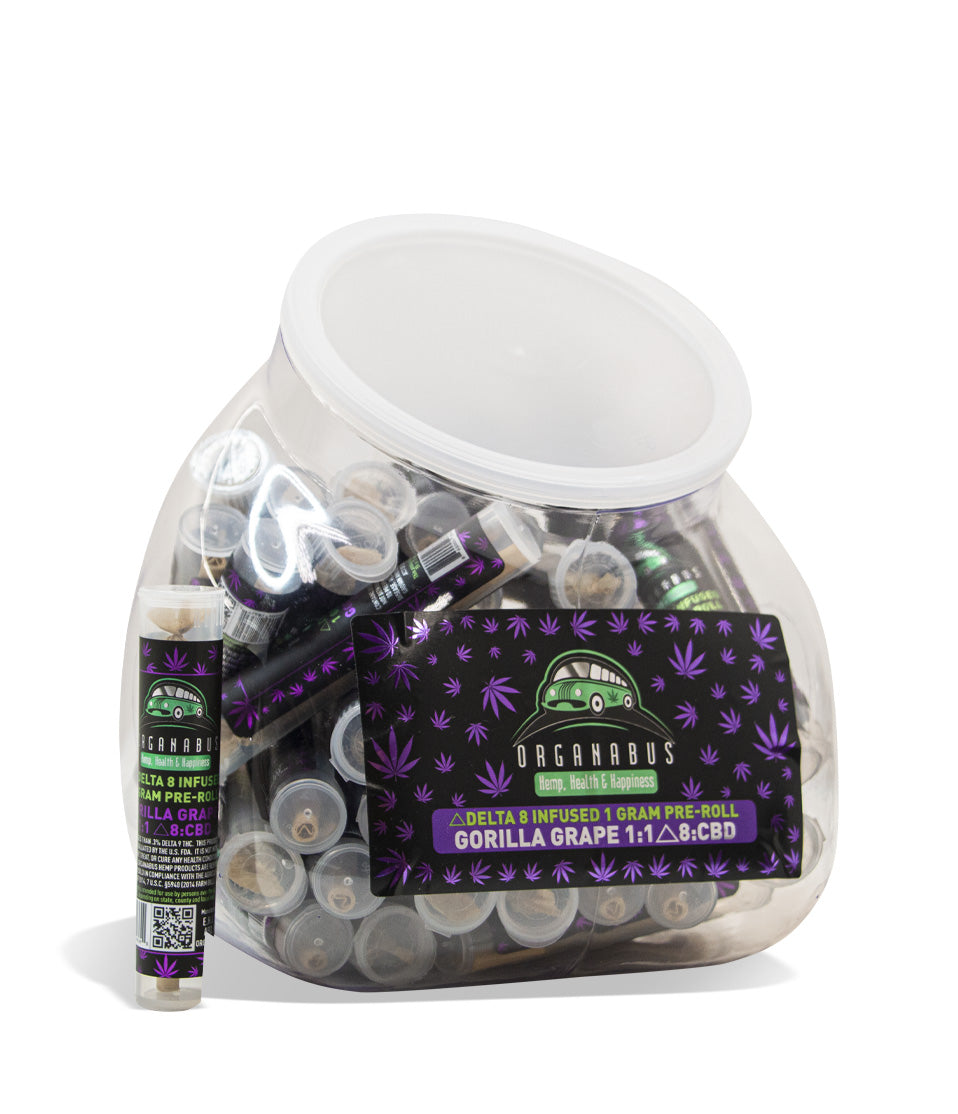
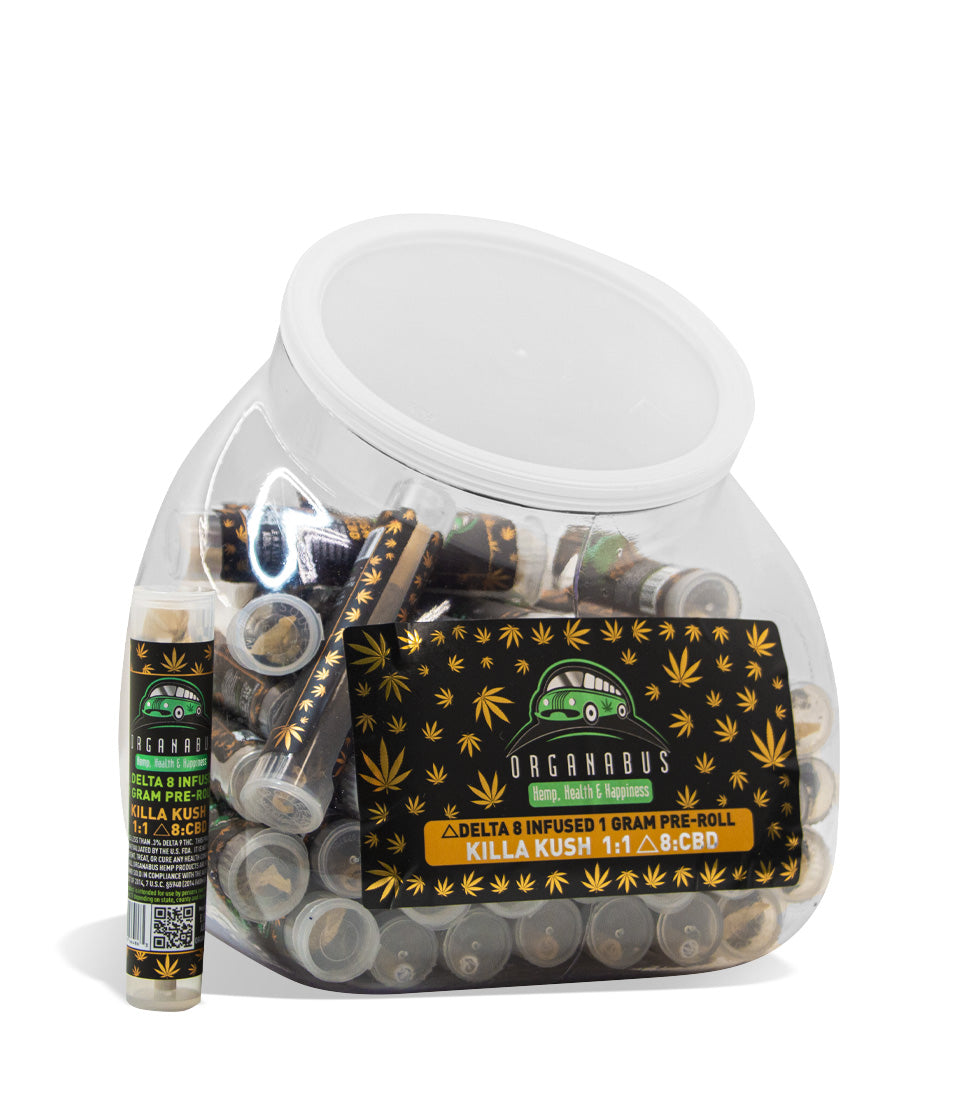
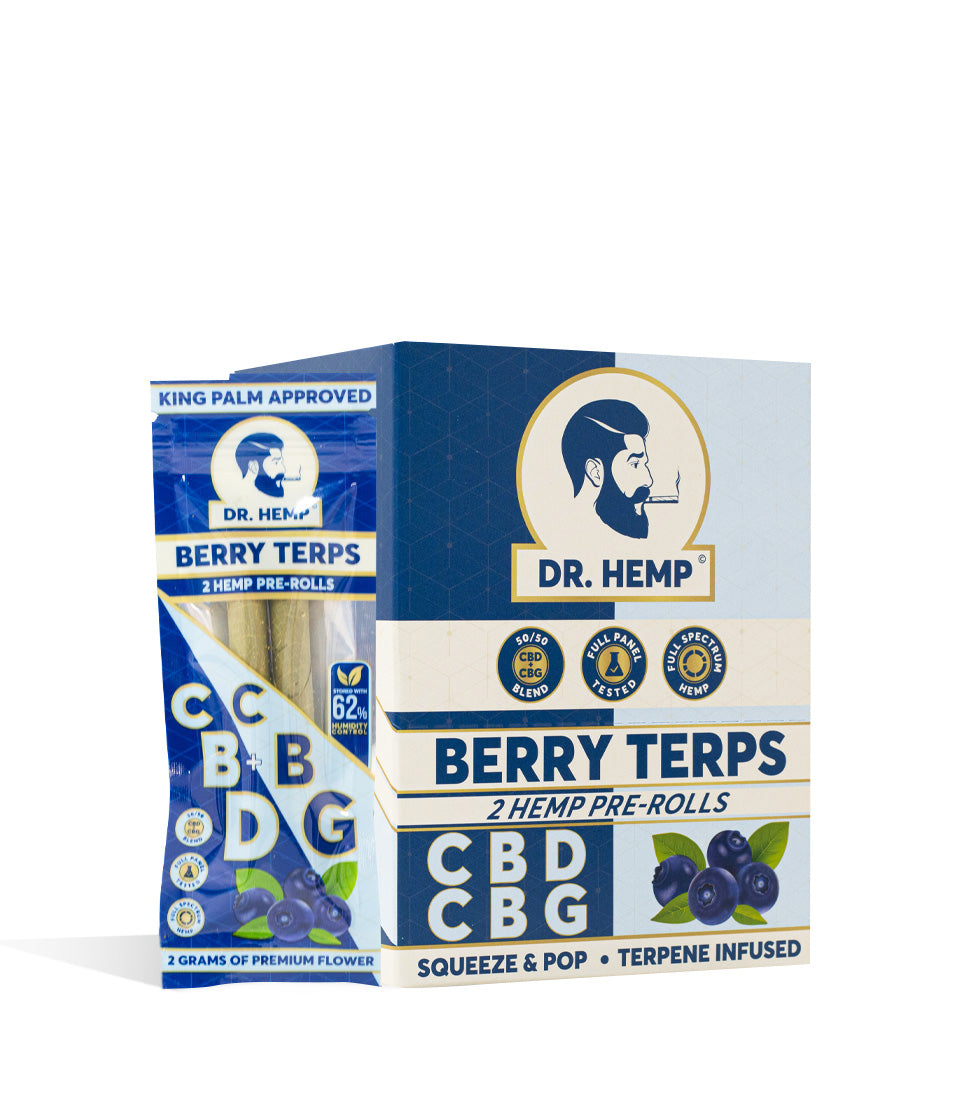
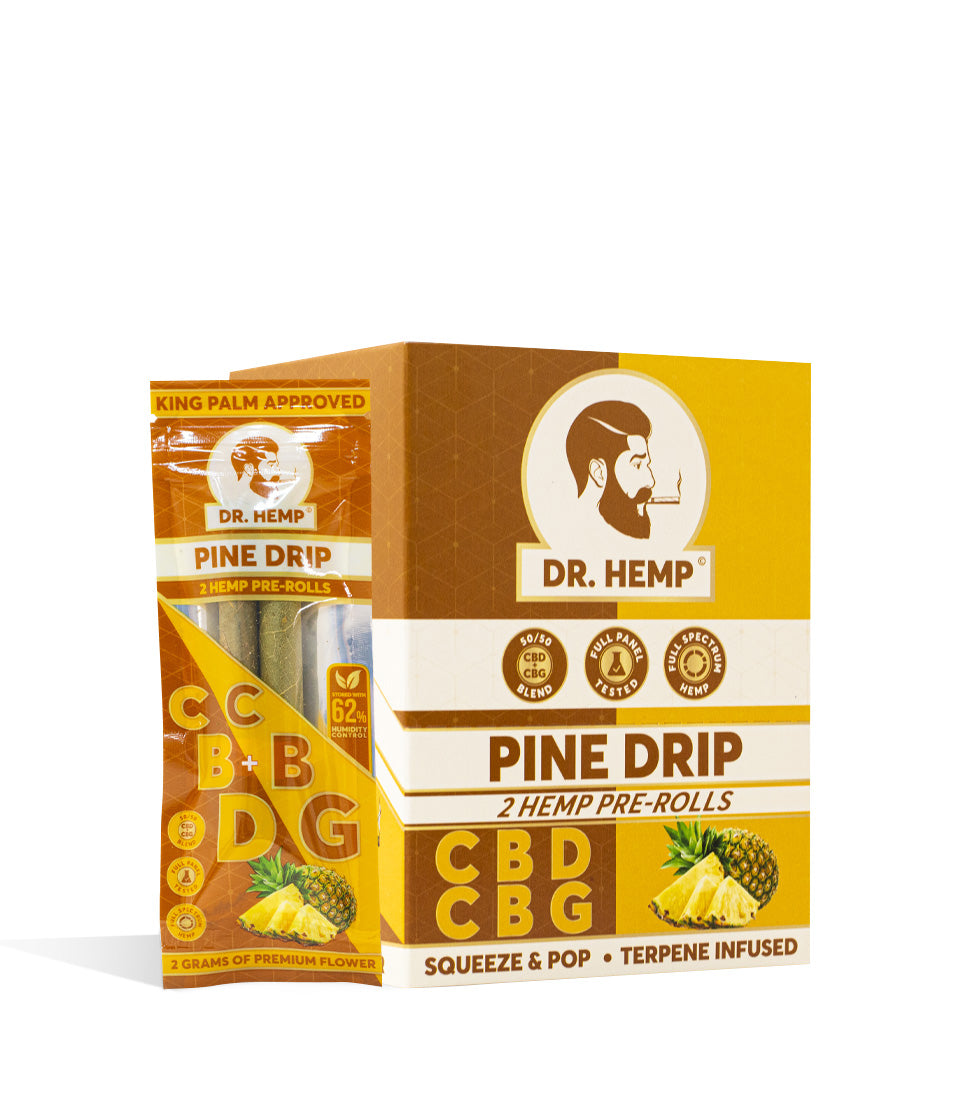
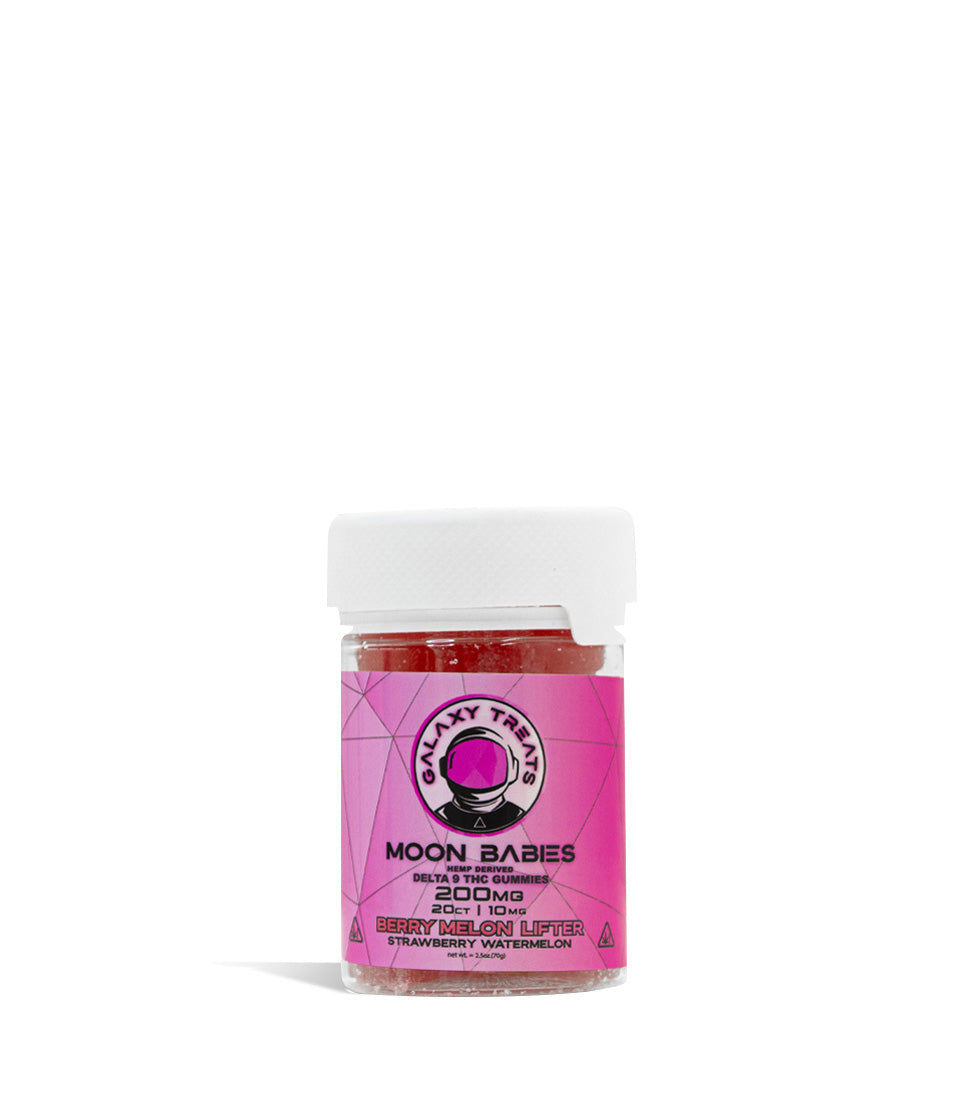
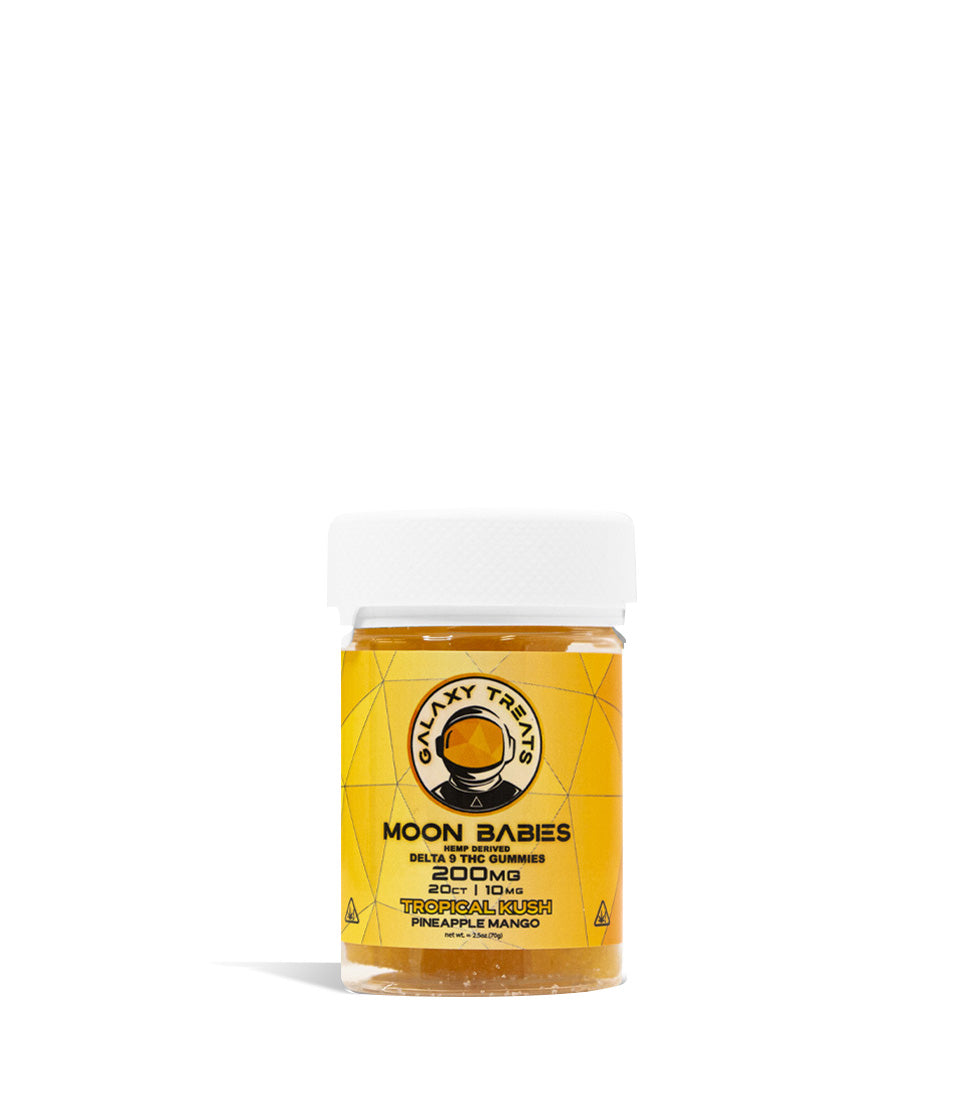
Product Comparison
Detailed Comparison
The comparison ahead walks through the product differences, retailer considerations, and wholesale buying factors point by point.
Ask anyone working a smoke shop counter what customers want explained most often, and the answer is almost always the same: what is the difference between THC and CBD? People use the two names interchangeably, assume they do the same thing, and then make a buying decision based on whatever they think they know. Getting the answer right is not trivia. It is how you steer a shopper to the product they actually want and keep them coming back for the advice.
Here is the working knowledge your staff needs, in plain terms, without a single health claim attached.
Start With the One Difference That Matters
THC is intoxicating. CBD is not. That is the line that decides almost everything else, so lead with it.
The reason comes down to how each compound fits the body. THC slots neatly into the CB1 receptors concentrated in the brain and switches them on, and that activation is the high. CBD has a different molecular shape. It interacts with the endocannabinoid system in a looser, indirect way and does not switch those CB1 receptors on, so there is no high. Same plant, same family of compounds, completely different experience because of how each one docks with the body.
Same Plant, Different Chemistry
CBD, short for cannabidiol, and THC, short for tetrahydrocannabinol, are the two most prominent cannabinoids the cannabis plant produces. They are built from the same atoms arranged in a slightly different order, and the body reads those two arrangements as distinct compounds.
The plant side matters too. Hemp and marijuana are both cannabis, separated almost entirely by how much THC they carry. Hemp is naturally high in CBD and low in THC, which is why hemp-derived CBD flower, oils, and edibles start there. Marijuana is bred for THC potency. That single dividing line, the amount of THC, is also what the law fixates on, as we will get to below.
The Cannabinoid Names Customers Will Throw at You
Customers rarely stop at CBD and THC. Expect questions about delta-9, delta-8, and THCA, and have a simple frame ready:
- Delta-9 THC is the classic intoxicating compound, the one the 0.3 percent legal hemp limit is measured against.
- Delta-8 THC is a milder intoxicating relative that became popular as a hemp-derived product.
- THCA is the non-intoxicating acid form found in raw hemp and cannabis that converts to THC when heated.
- CBD sits apart from all of these as the non-intoxicating option.
The federal rules around these intoxicating hemp cannabinoids changed in late 2025, so treat their status as a moving target and lean on the legal section below.
Full-Spectrum, Broad-Spectrum, and Isolate
This is the distinction that actually drives CBD purchases, and most shoppers have never heard the terms. Knowing them lets your staff close the sale and answer the drug-test question in the same breath.
- Full-spectrum keeps the plant’s full range of compounds, including the trace THC allowed under the legal limit.
- Broad-spectrum keeps the supporting cannabinoids but has the THC removed.
- Isolate is pure CBD with everything else stripped away.
A customer who wants the fullest profile reaches for full-spectrum. A customer who wants to steer clear of THC entirely wants broad-spectrum or isolate. Stocking all three lets you serve both without a special order.
Will CBD Show Up on a Drug Test?
You will hear this one constantly, and the honest answer protects both your customer and your shop. Standard drug tests screen for THC and its metabolites, not CBD. The catch is that full-spectrum products contain trace THC, and with regular use that can build up enough to trigger a positive. Broad-spectrum and isolate carry far less risk, but no product can promise a clean result. Tell customers exactly that, and never guarantee a pass.
Matching the Product to the Customer
Once the cannabinoid is settled, the format is the next decision. Each one suits a different shopper:
- Flower and pre-rolls for customers who want the traditional ritual.
- Vapes and disposables for convenience and discretion.
- Edibles and drinks for a measured, smoke-free option.
- Tinctures and oils for customers who want to control their own serving.
- Topicals for customers focused on a specific area rather than a whole-body effect.
Broadly, CBD shoppers are after the experience without the high, while THC shoppers want the intoxicating effect where it is legal. Merchandising the two clearly, with CBD and intoxicating products separated and labeled, makes the shelf easier to shop and keeps your staff out of guessing games.
The Legal Picture for Your Shop
Legality does not hinge on CBD, which is widely sold. It hinges on THC, the type and the amount, layered with your state’s own rules. The 2018 Farm Bill created the legal hemp market by capping hemp at 0.3 percent delta-9 THC, and most hemp CBD products were built around that line.
That framework tightened in late 2025. A federal hemp law signed in November 2025 redefined hemp by total THC and pulled in intoxicating derivatives, with major provisions phasing in through 2026. Because the rules are shifting and vary state to state, treat this as general information rather than legal advice, and confirm the current requirements for your products with your own counsel before you stock or sell.
Train Your Staff to Keep It Simple
Most of the confusion at the counter clears up with one sentence: THC gets you high, CBD does not, and both come from cannabis. From there, point shoppers to the label and the lab report so they can see the cannabinoid content for themselves, match the spectrum and format to what they are after, and skip any promise about how a product will make them feel. A team that can do that turns a basic question into a confident recommendation, and that is what brings customers back.
Thanks for stopping in with the Got Vape Wholesale crew. For more ways to help your team sell with confidence, explore the rest of our guides over at the Got Vape Wholesale Resource Center.
Frequently Asked Questions
Product Comparison FAQs
Answers to the questions buyers ask most, plus how to put each one to work in your next inventory decision.
What is the main difference between CBD and THC?
Why does THC get you high but CBD does not?
What is the difference between full-spectrum, broad-spectrum, and isolate?
Will CBD show up on a drug test?
Is CBD legal to sell in my shop?
How should my staff explain the difference?
GVWS Trust Center
About This Resource
Here is how the GVWS editorial team builds, checks, and keeps this retailer resource current for the buyers who rely on it.
Editorial Standards
- Written for the owners, buyers, and purchasing teams who stock independent shops.
- Edited for clarity, accuracy, and the kind of value you can act on at the counter.
- Grounded in current manufacturer specifications and product documentation wherever it is available.
- Revisited whenever products, regulations, category trends, or market conditions shift.
- Backed by more than two decades of wholesale distribution experience.
- Aimed at sharper inventory decisions for retailers, never end consumer purchasing advice.
Research Methodology
To build this comparison we lined up the key attributes, specifications, compatibility factors, use cases, and how well each option suits a retail floor. The point is to help buyers weigh the differences that actually matter, not just the spec sheet surface.
- Specifications and standout features
- Compatibility and intended use case
- Retail suitability and stocking fit
- Value, reliability, and support factors
- Category position and assortment fit
- Manufacturer documentation where available
- An editorial pass for clarity and usefulness
Supporting Sources
Any sources behind this resource are listed here so retailers can trace the guidance and verify it for themselves.
Article Information
Intended Audience
- Independent Smoke Shops
- Vape Retailers
- Licensed Dispensaries
- Convenience Retailers
- Wholesale Buyers
- Purchasing Teams
Editorial Policy
The GVWS crew revisits these resources on a regular schedule so the guidance keeps pace with the market. As product specifications, regulations, category trends, or market conditions move, we refresh the article and stamp it with a new review date. Backed by more than two decades of serving independent retailers.
Continue Your Retailer Education
Related Resources
Keep building your edge with related GVWS resources, each picked to sharpen your inventory, category, and purchasing calls.
Retailer Guide
Explore our extensive selection of CBD products, spanning from cartridges to flower, perfect for expanding your inventory. Stoc...
Read Resource →
Category Guide
At Got Vape Wholesale, we think you should be taking a second look at the profit margins offered up on a silver platter by CBD ...
Read Resource →
Compliance
The federal government has just closed the 2018 Farm Bill loophole that allowed for the existence of the legal hemp market. Fin...
Read Resource →
Category Guide
Disposable vaporizers are gaining popularity in the vaping industry. From different styles to limited amounts of puffs, learn t...
Read Resource →