

Wholesale Resource Center
The 2023 Farm Bill and CBD: What It Meant for Smoke Shops
Continue With This Resource
GVWS Quick Brief
What Retailers Should Know
Everything a buyer needs at a glance: the core points, the questions retailers ask, and the stocking guidance that follows below.
Overview
Key Takeaways
- The Farm Bill is renewed roughly every five years and sets the federal framework for hemp.
- The 2018 Farm Bill legalized hemp under a 0.3 percent delta-9 THC limit.
- The 2023 Farm Bill was meant to clarify CBD and delta-8 rules but kept getting extended.
- Federal action ultimately tightened the hemp definition rather than raising THC limits.
- A 2025 federal hemp law redefined hemp by total THC, with major provisions in 2026.
- Both federal and state rules apply, so confirm current requirements with your own counsel.
Questions This Resource Answers
- What is the Farm Bill and why does it matter for hemp?
- What did the 2018 Farm Bill establish?
- What was the 2023 Farm Bill supposed to clarify?
- What actually happened with federal hemp rules?
- What does this mean for my smoke shop now?
Recommended Products
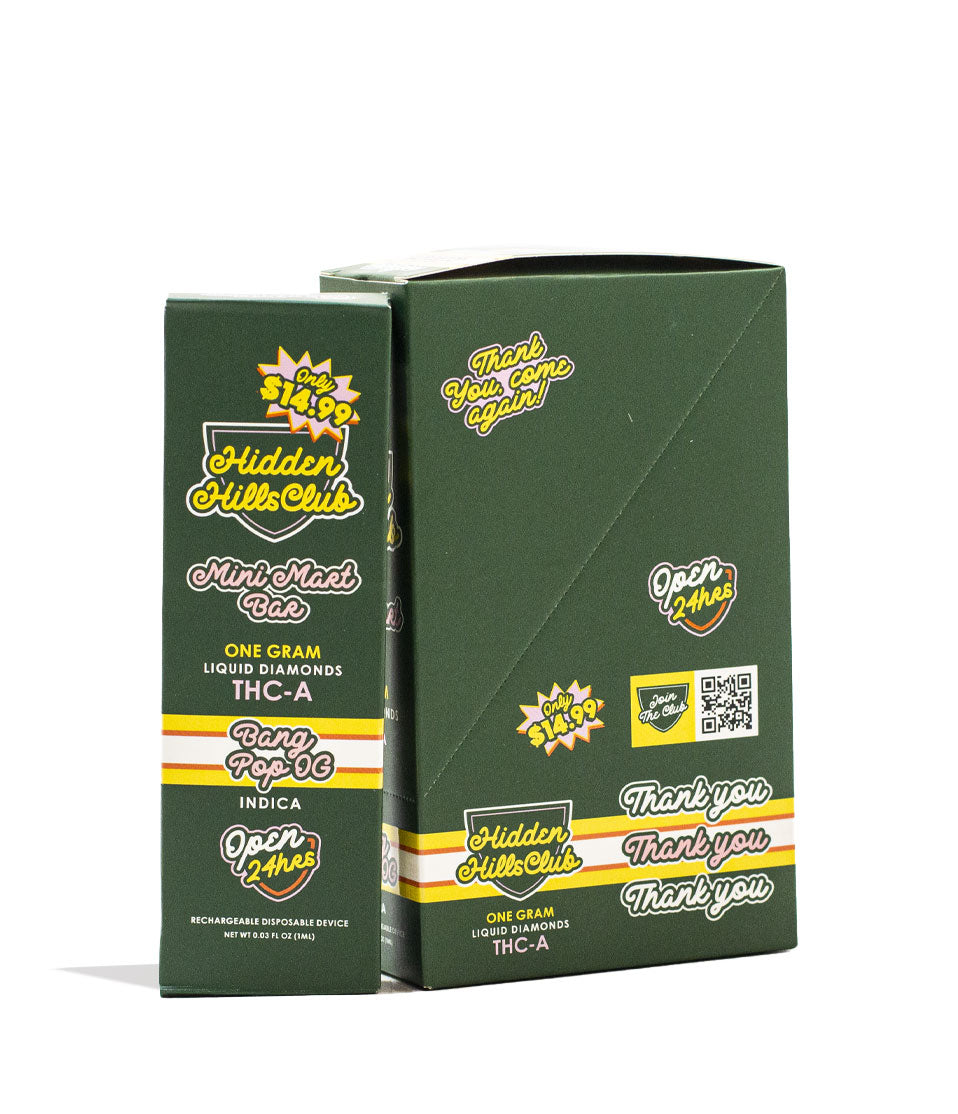
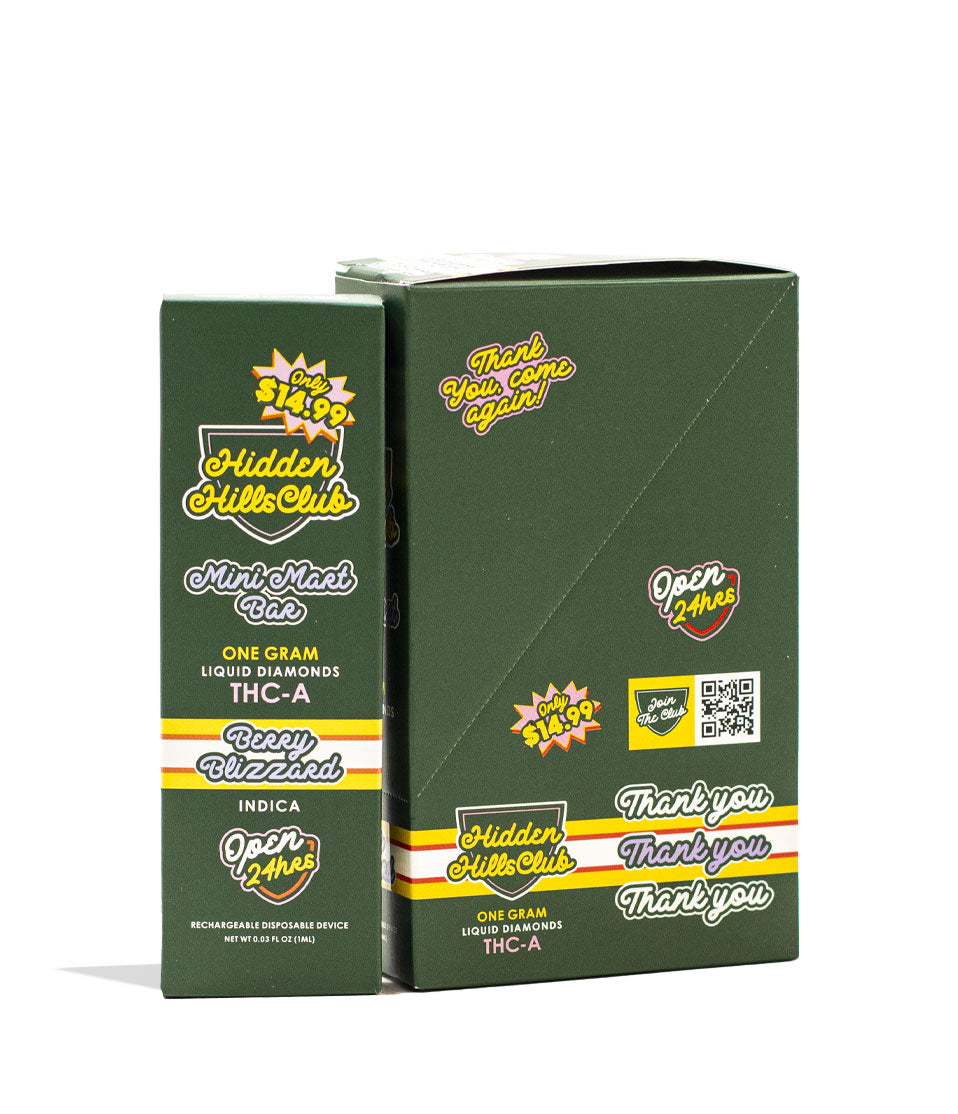
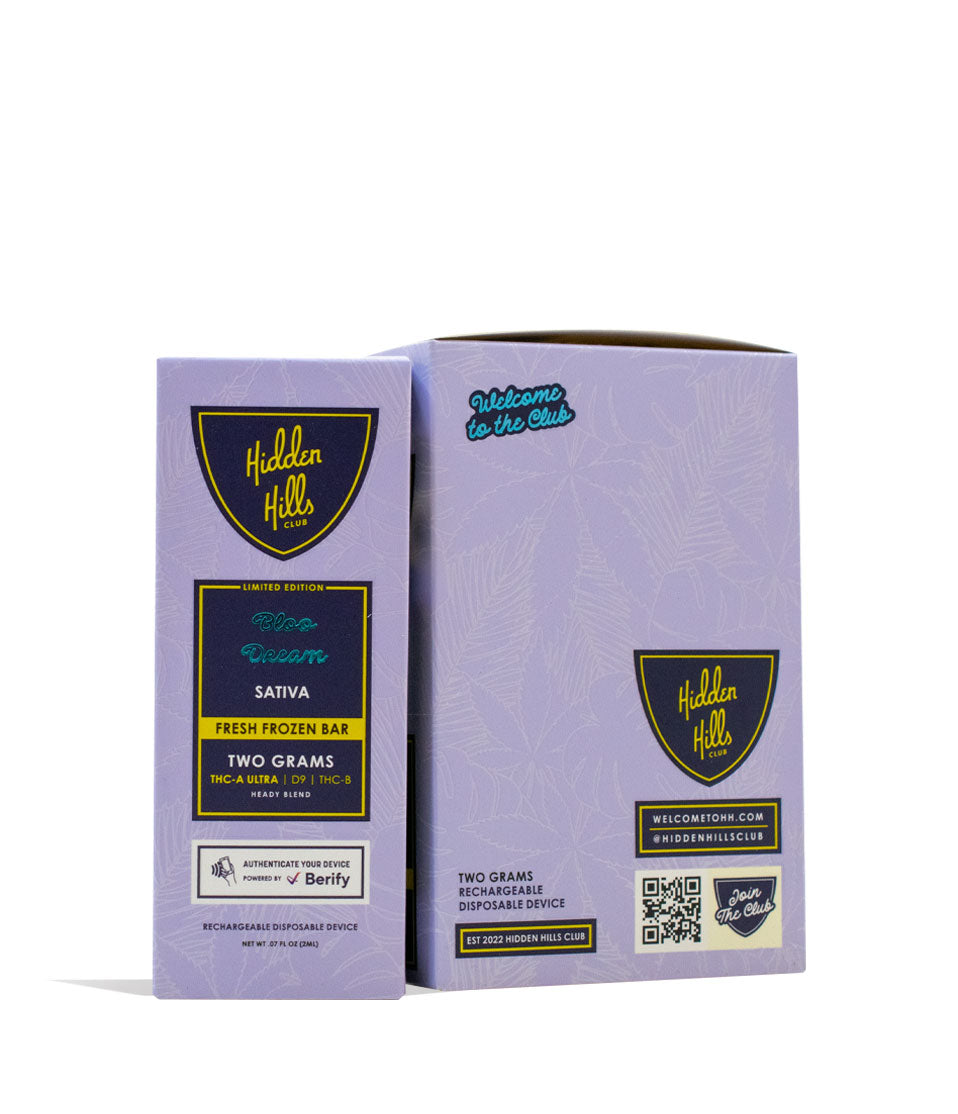
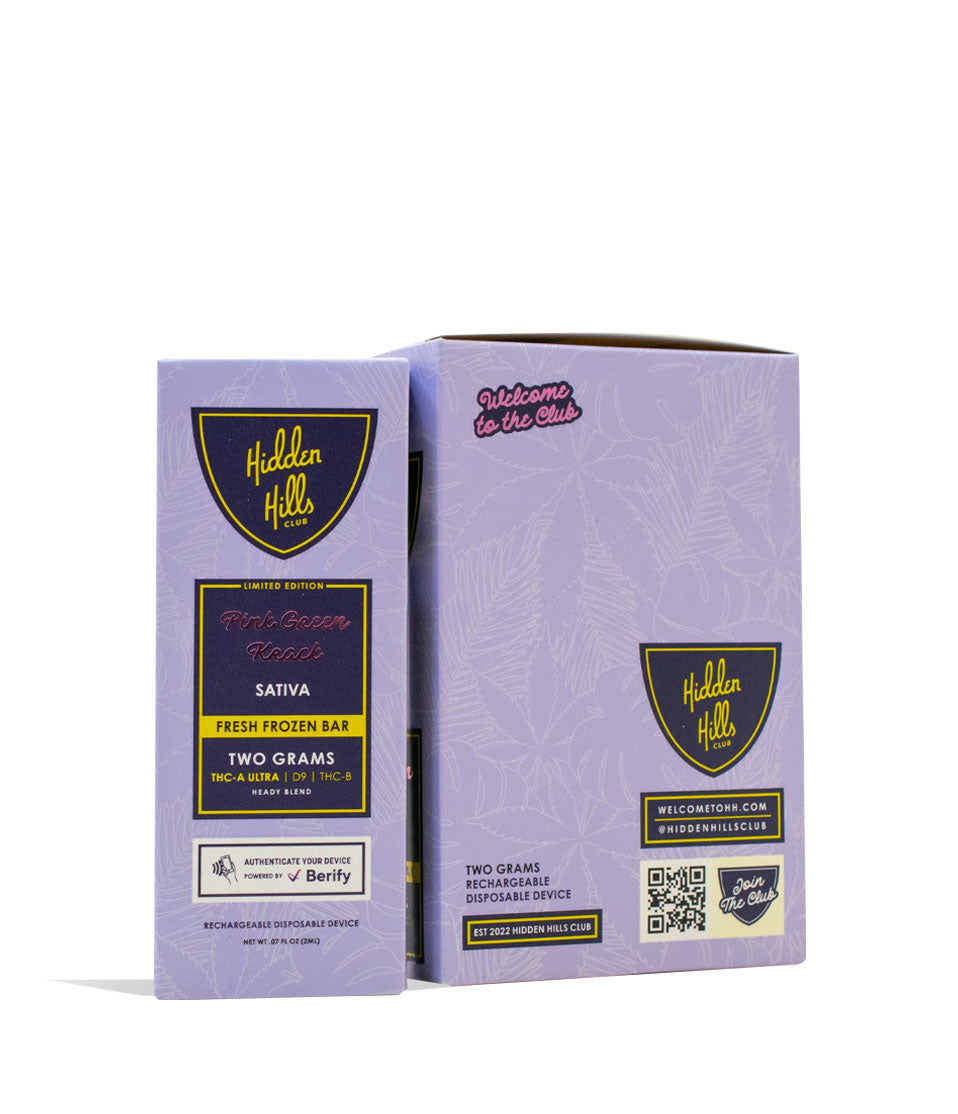
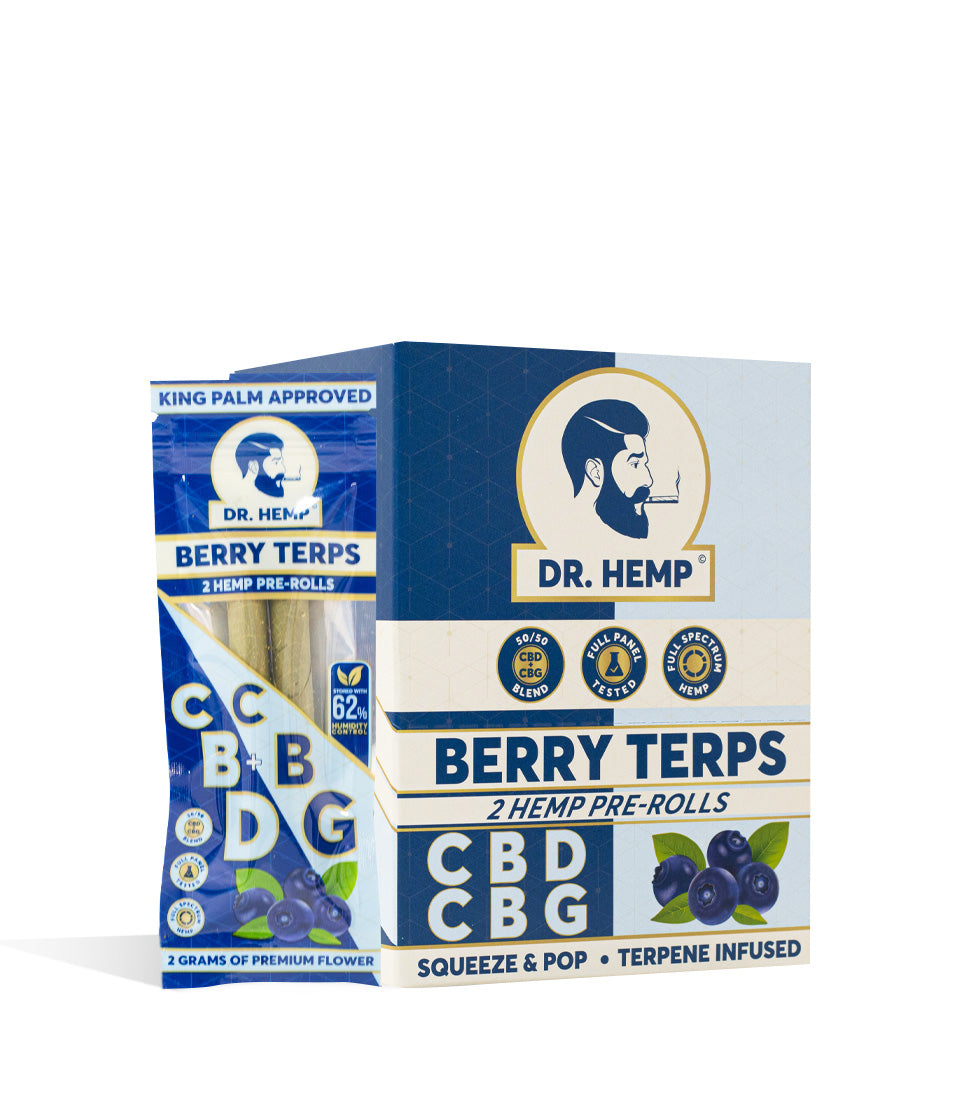
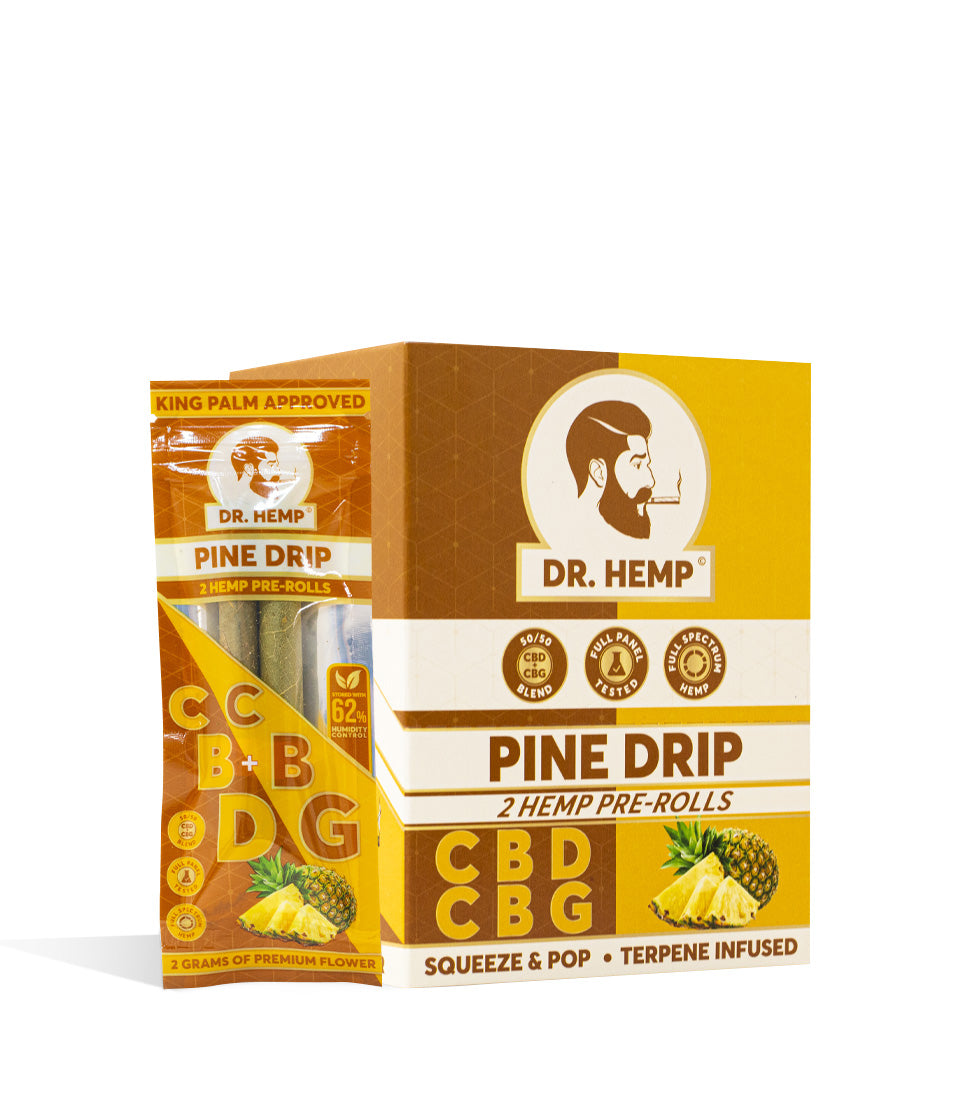
Shop CBD Wholesale
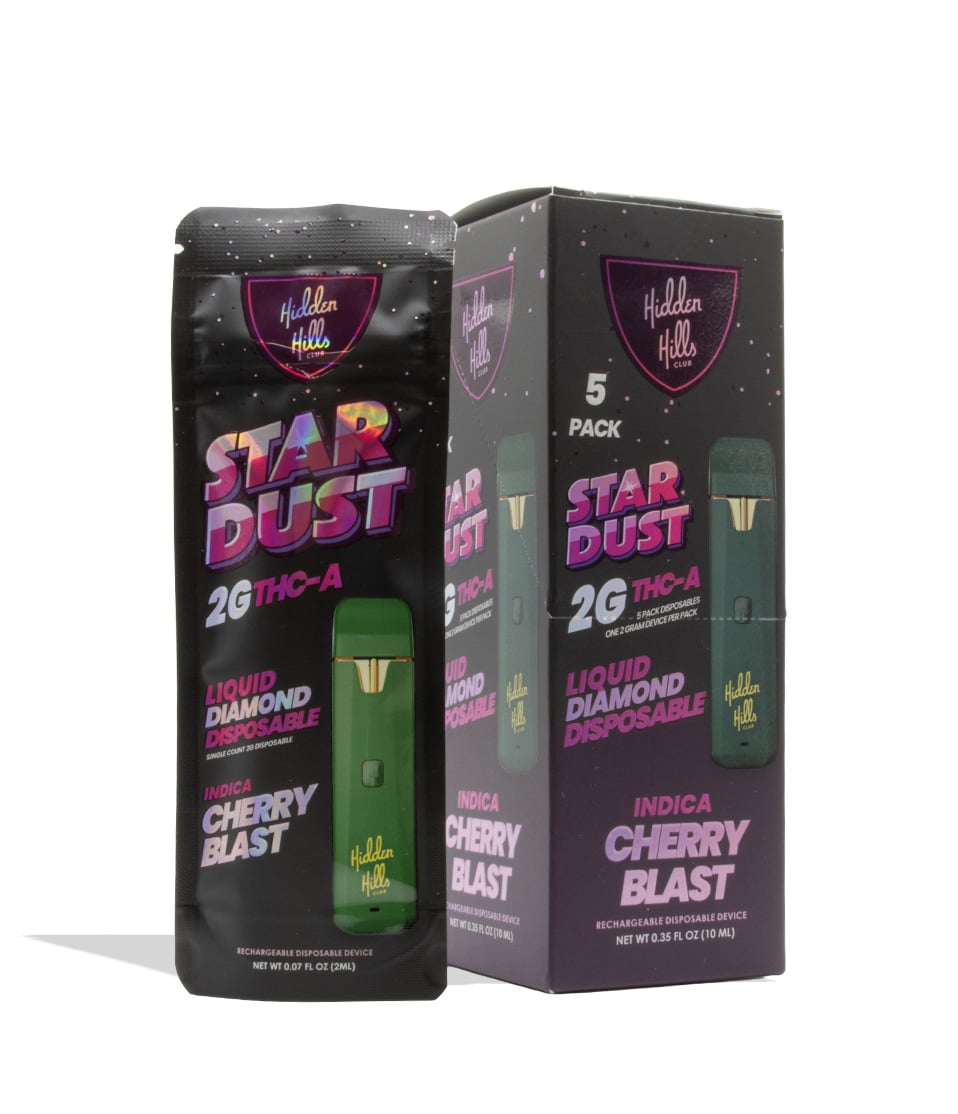
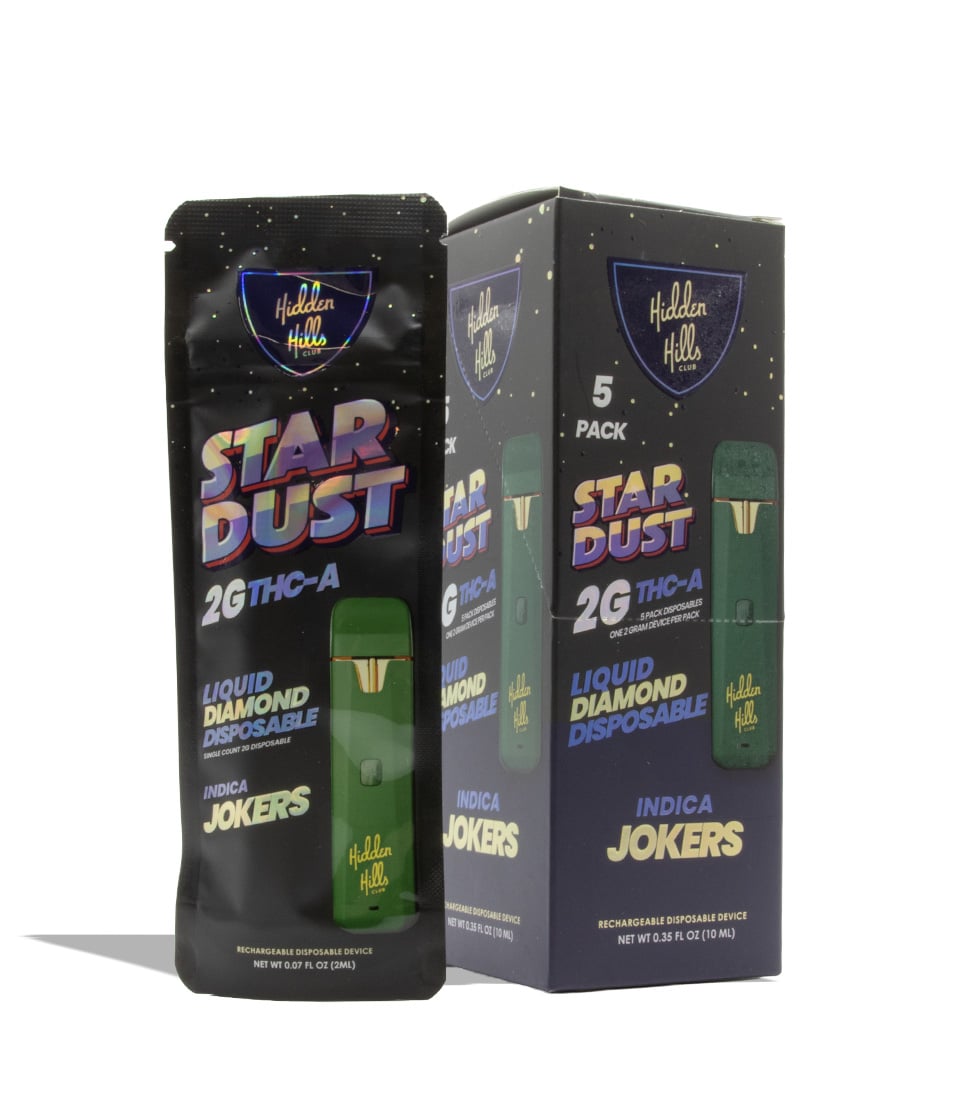
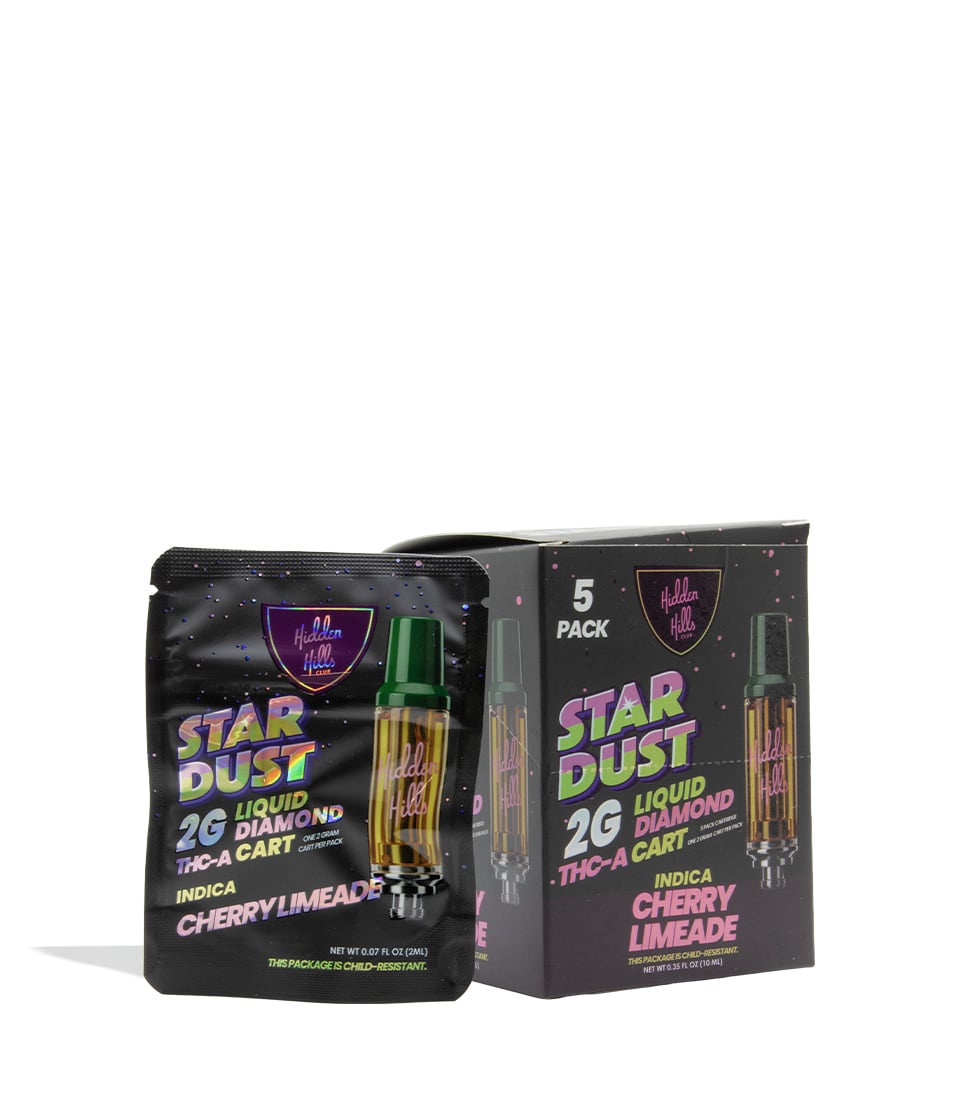
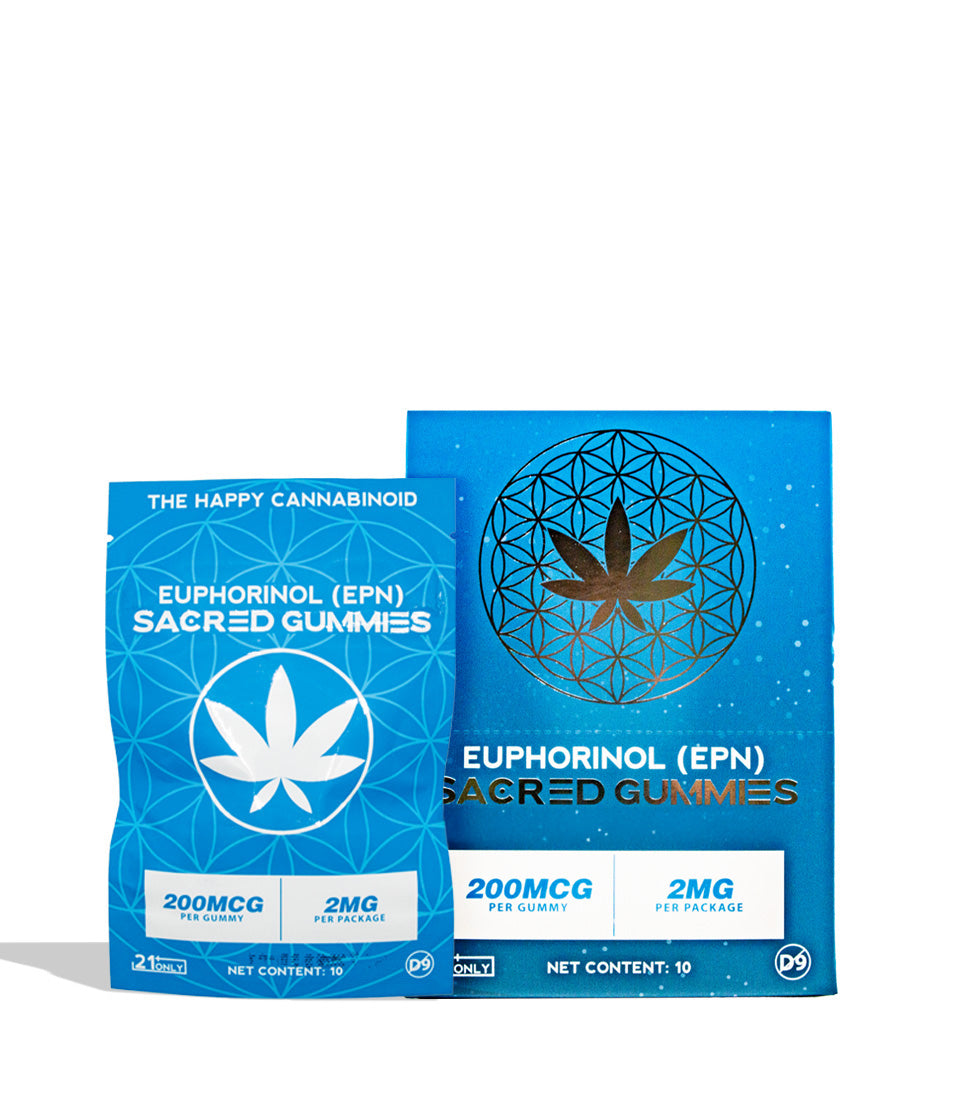
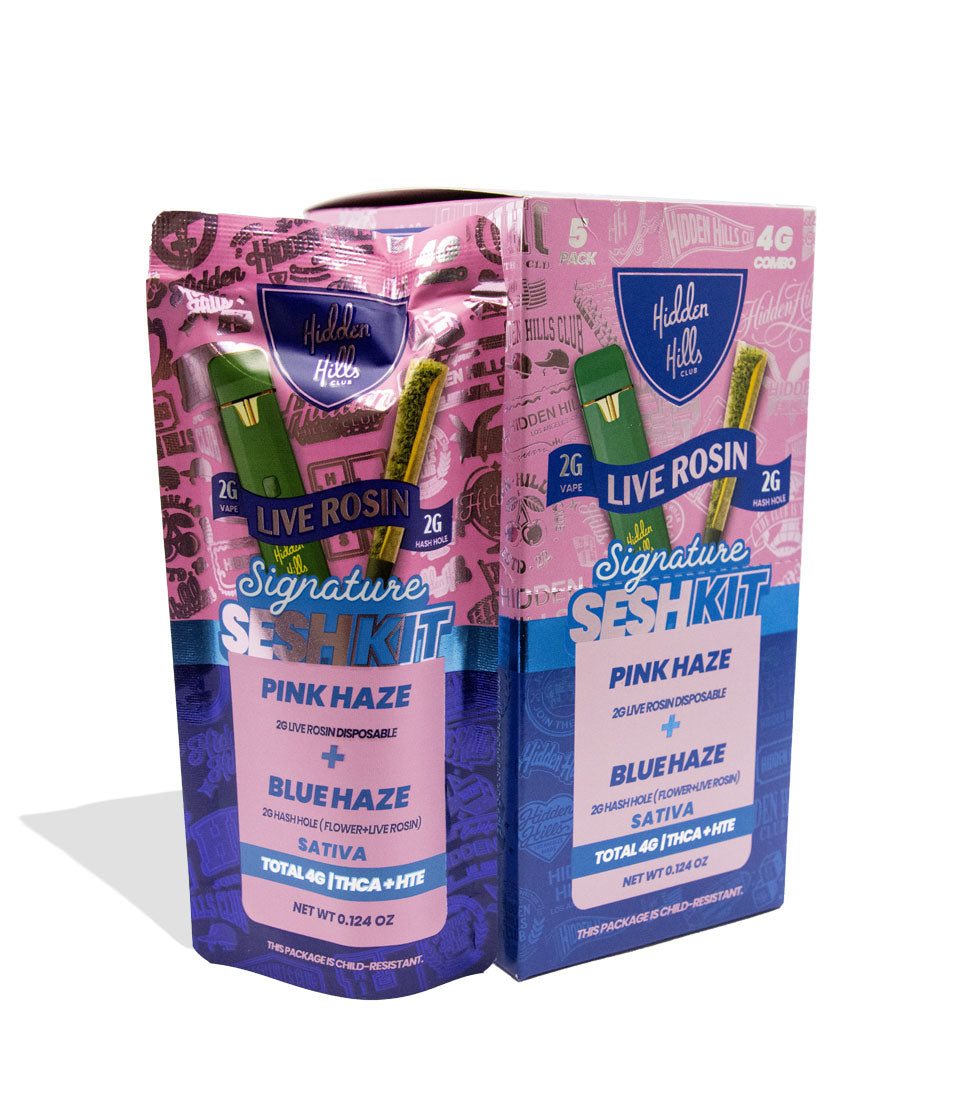
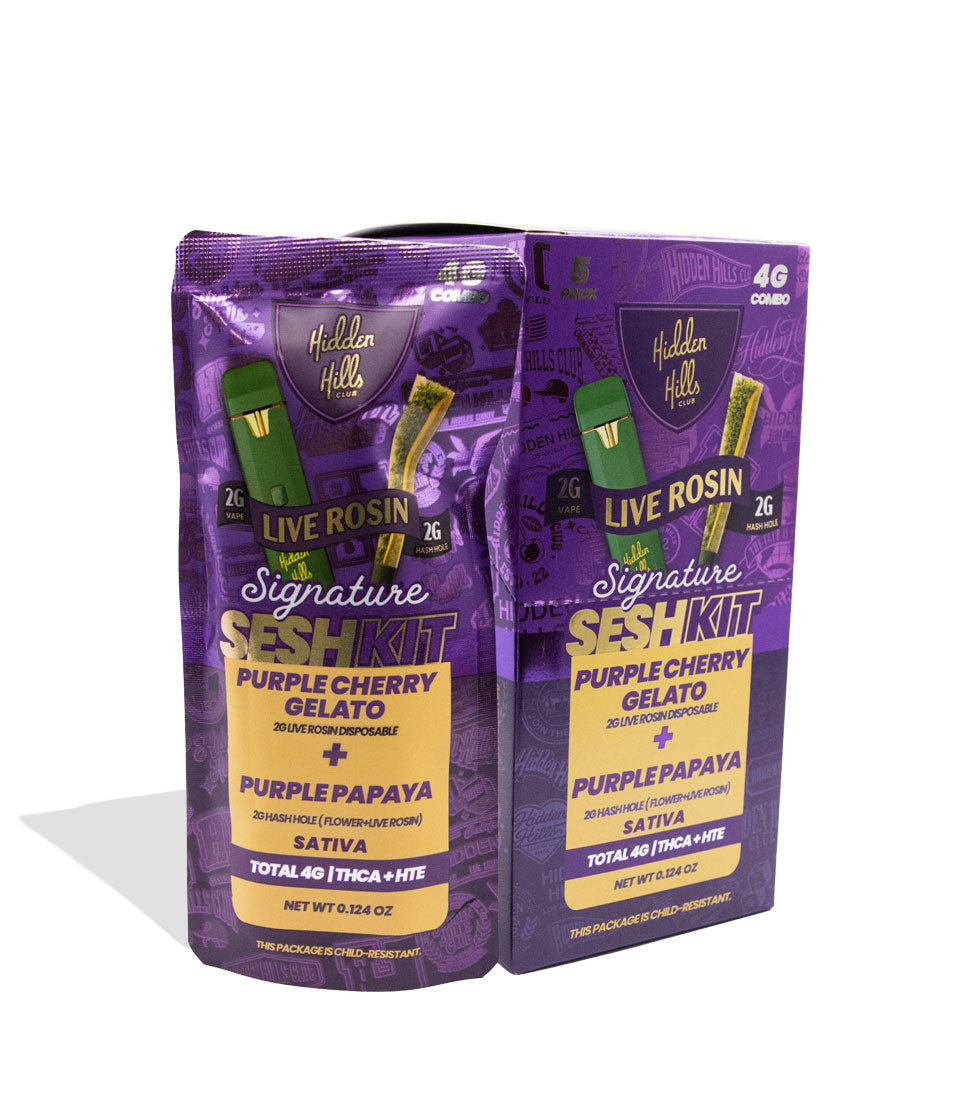
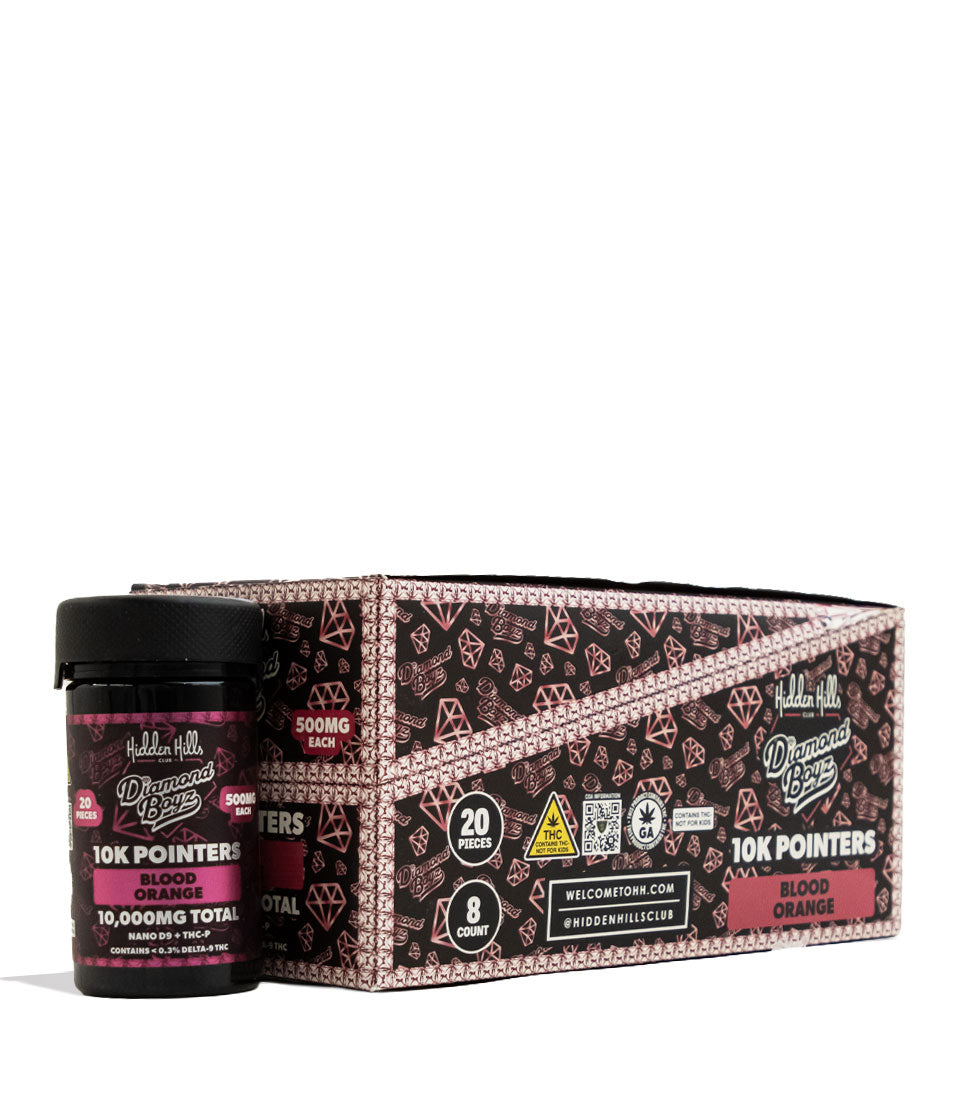
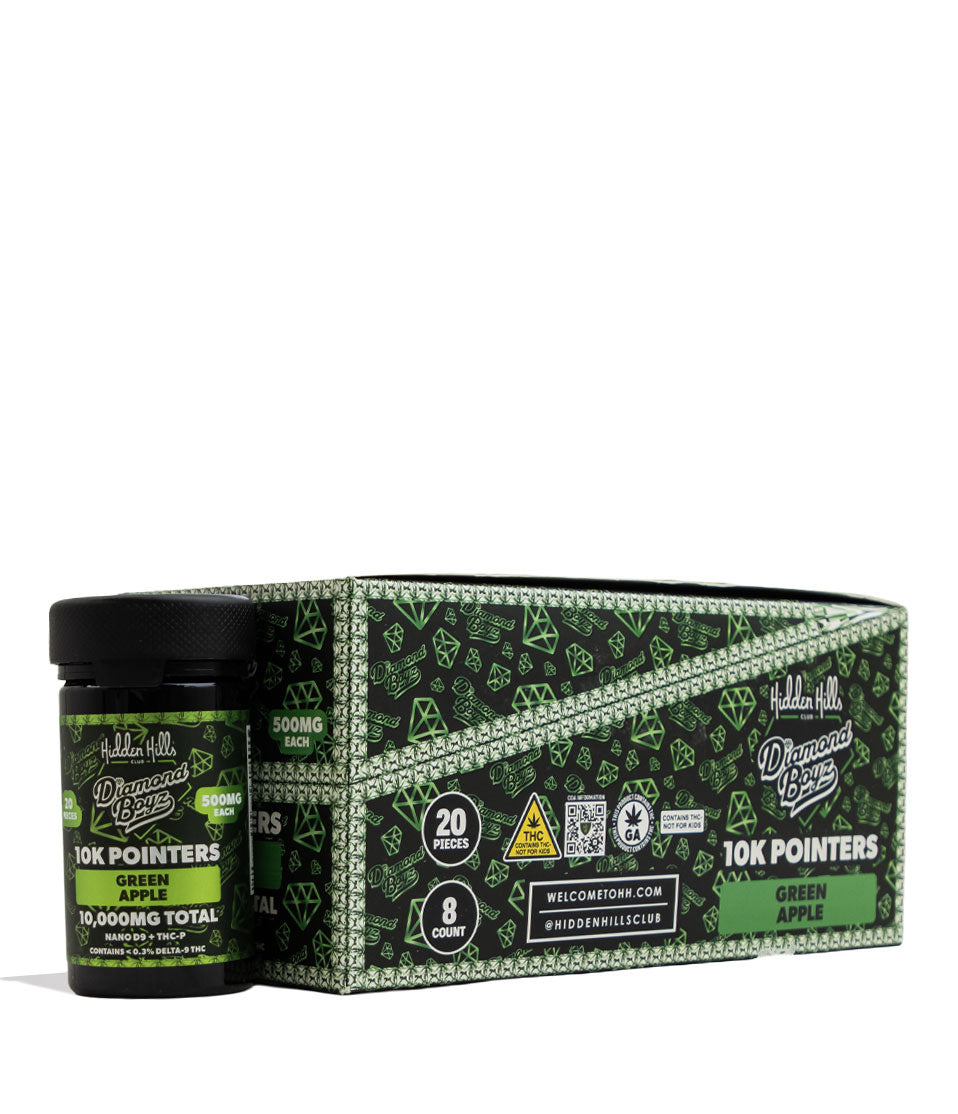
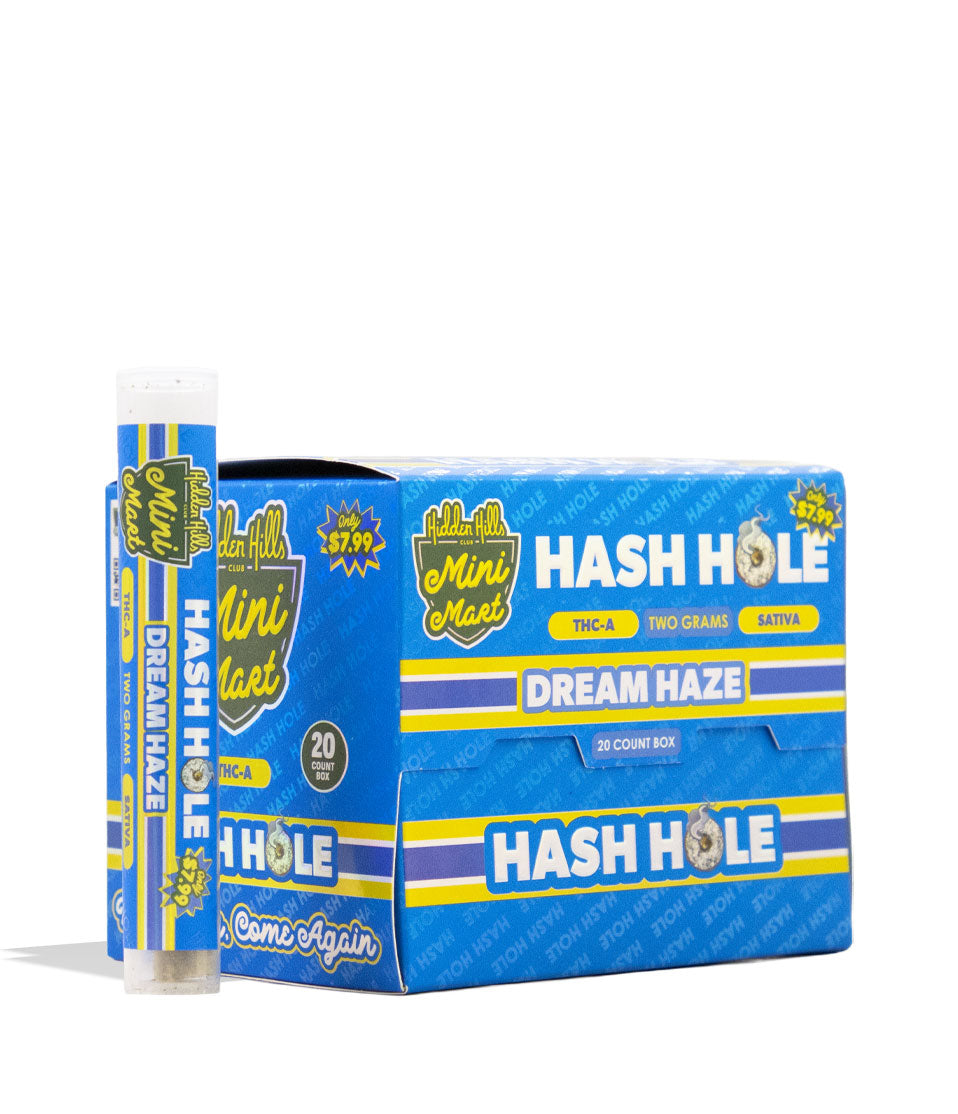
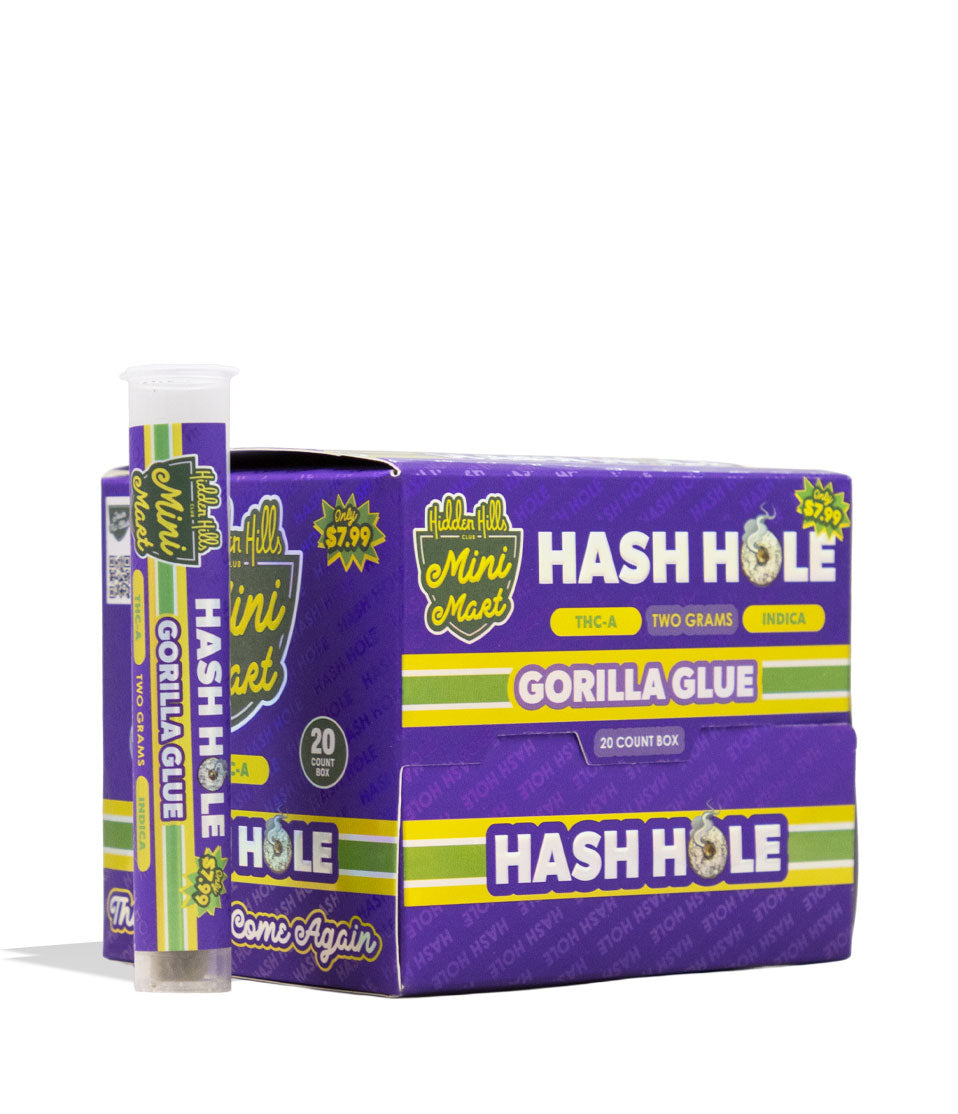
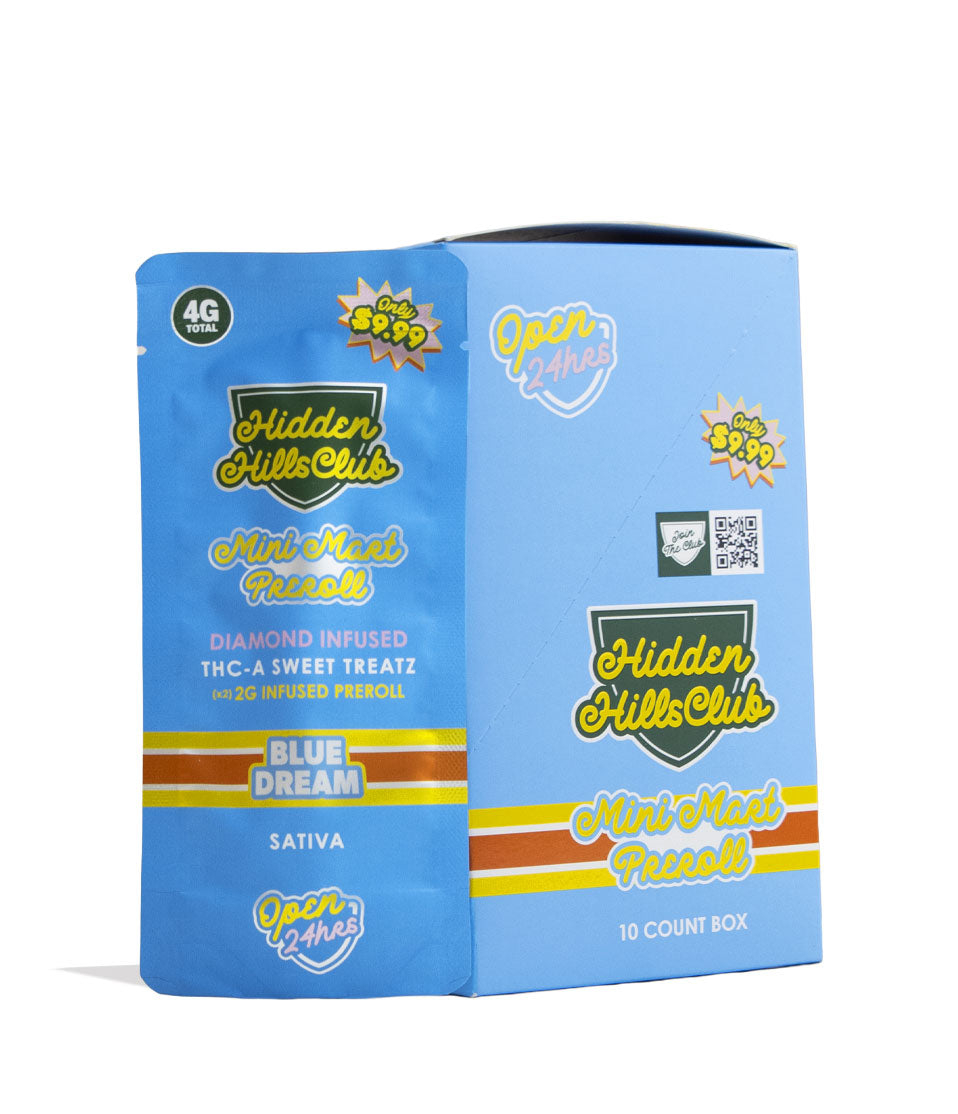
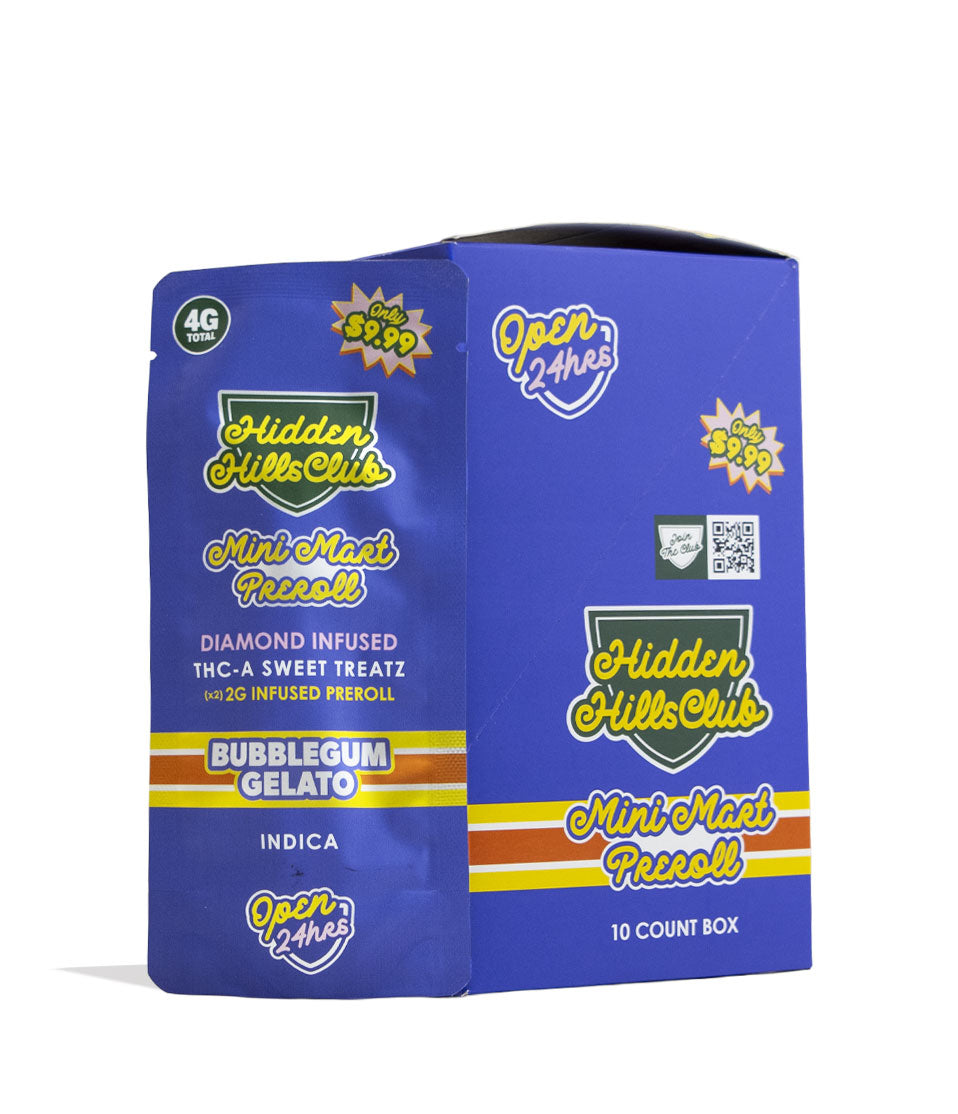
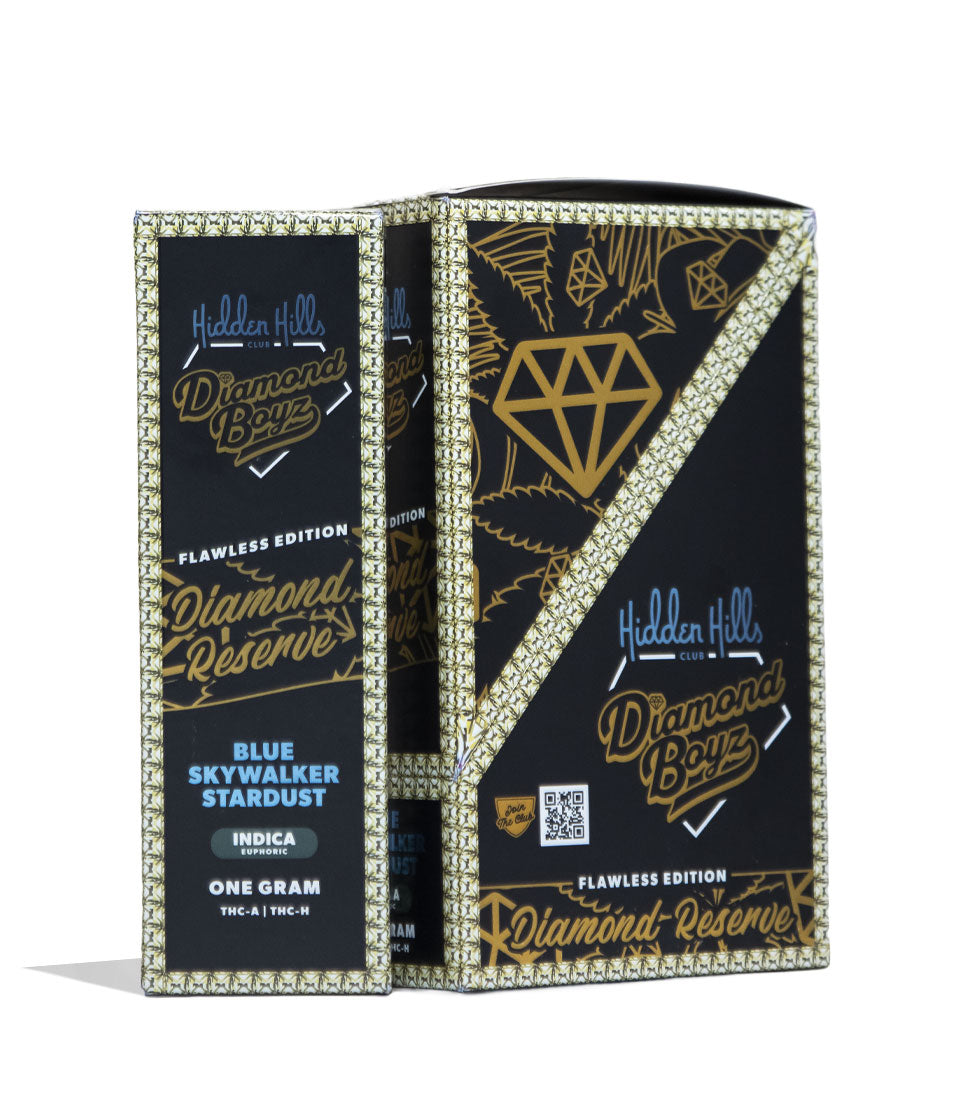
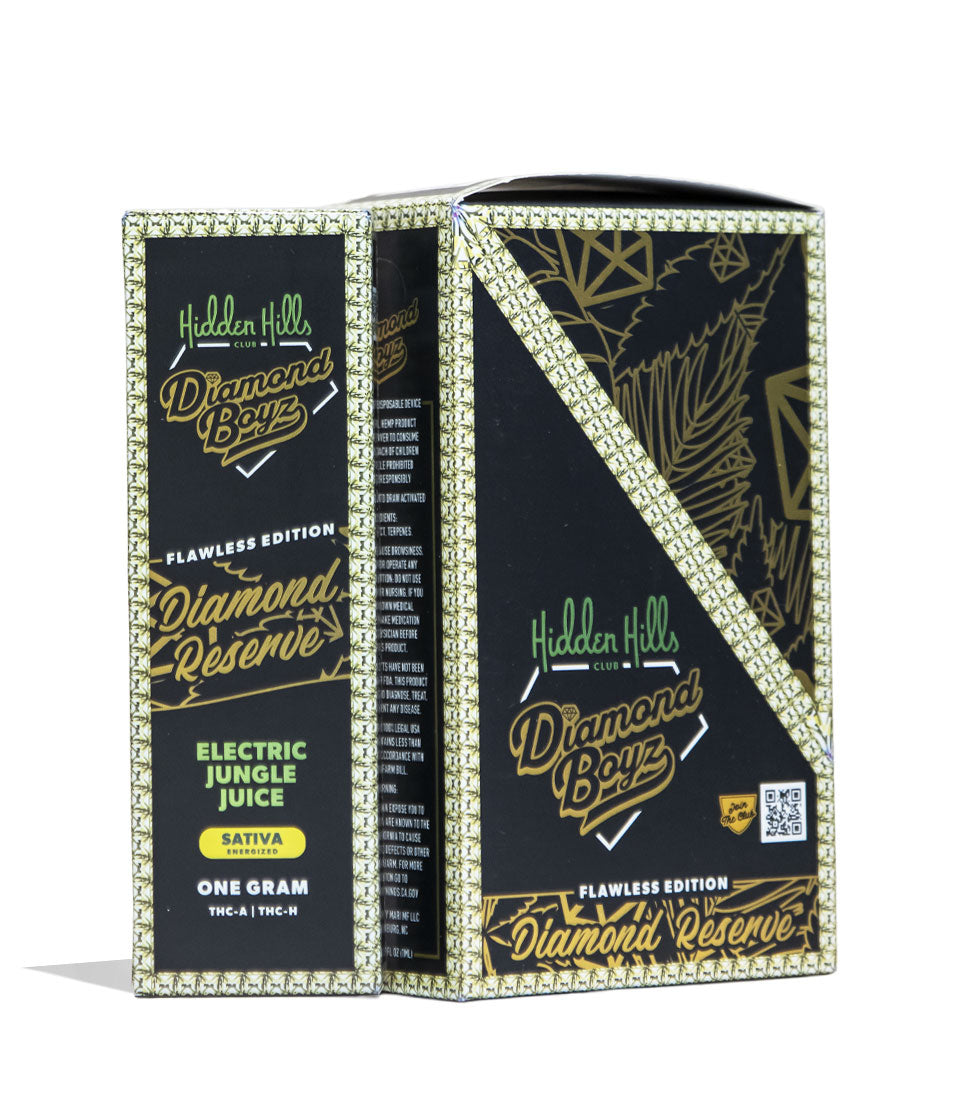
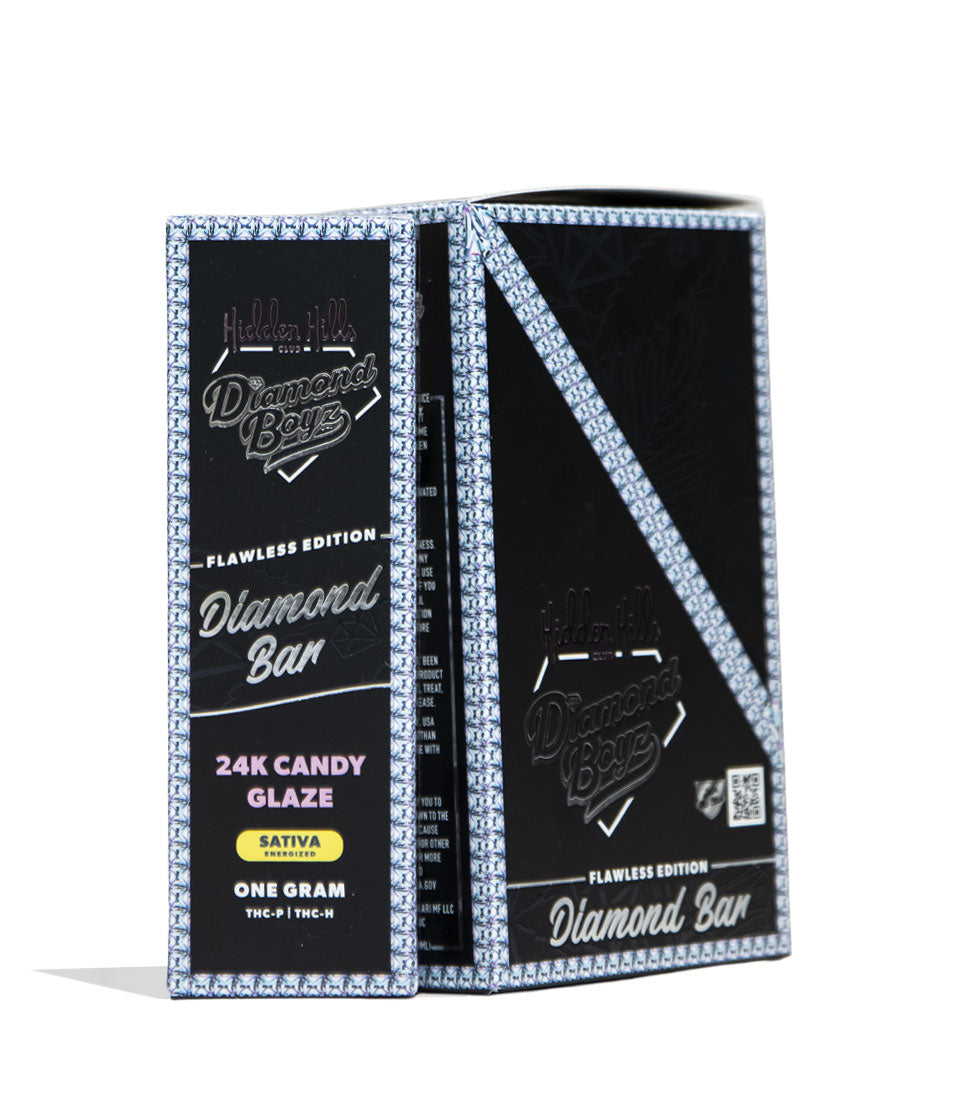
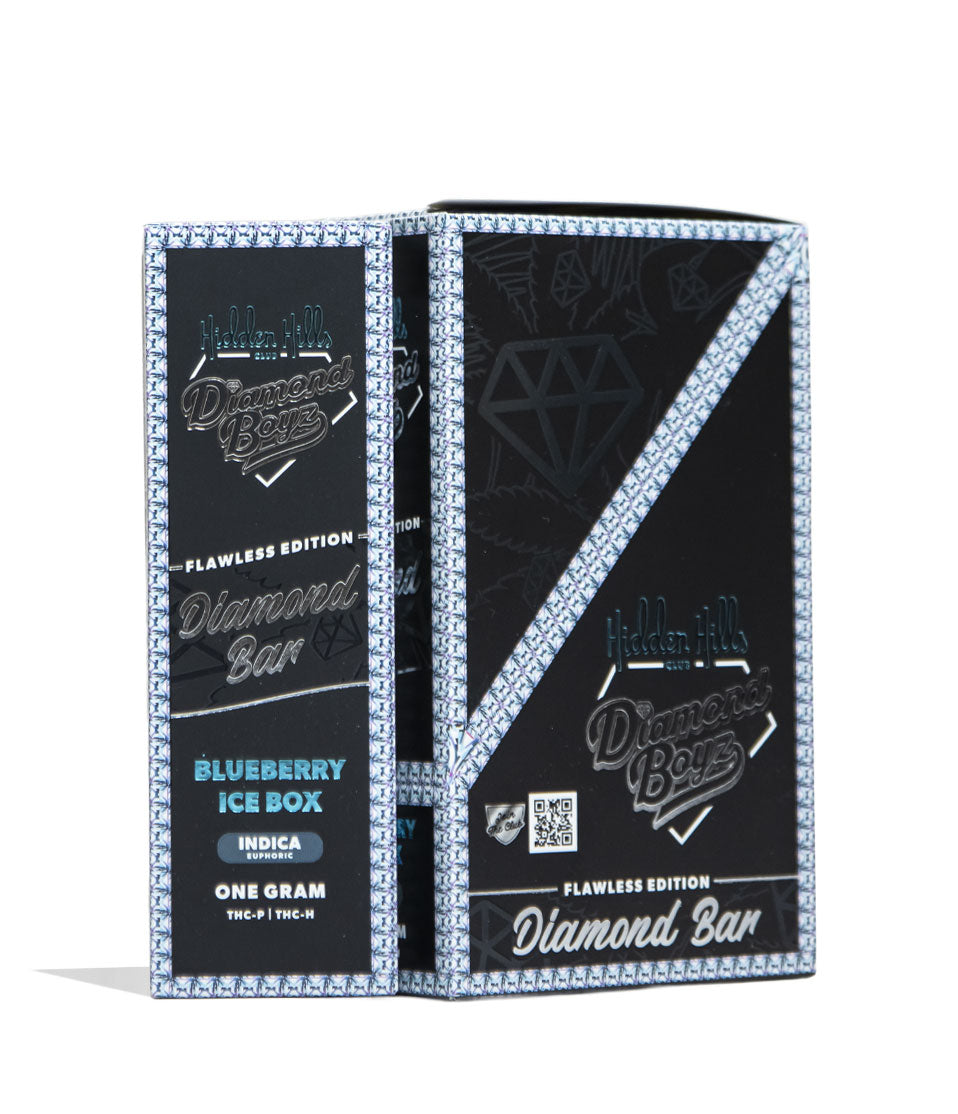
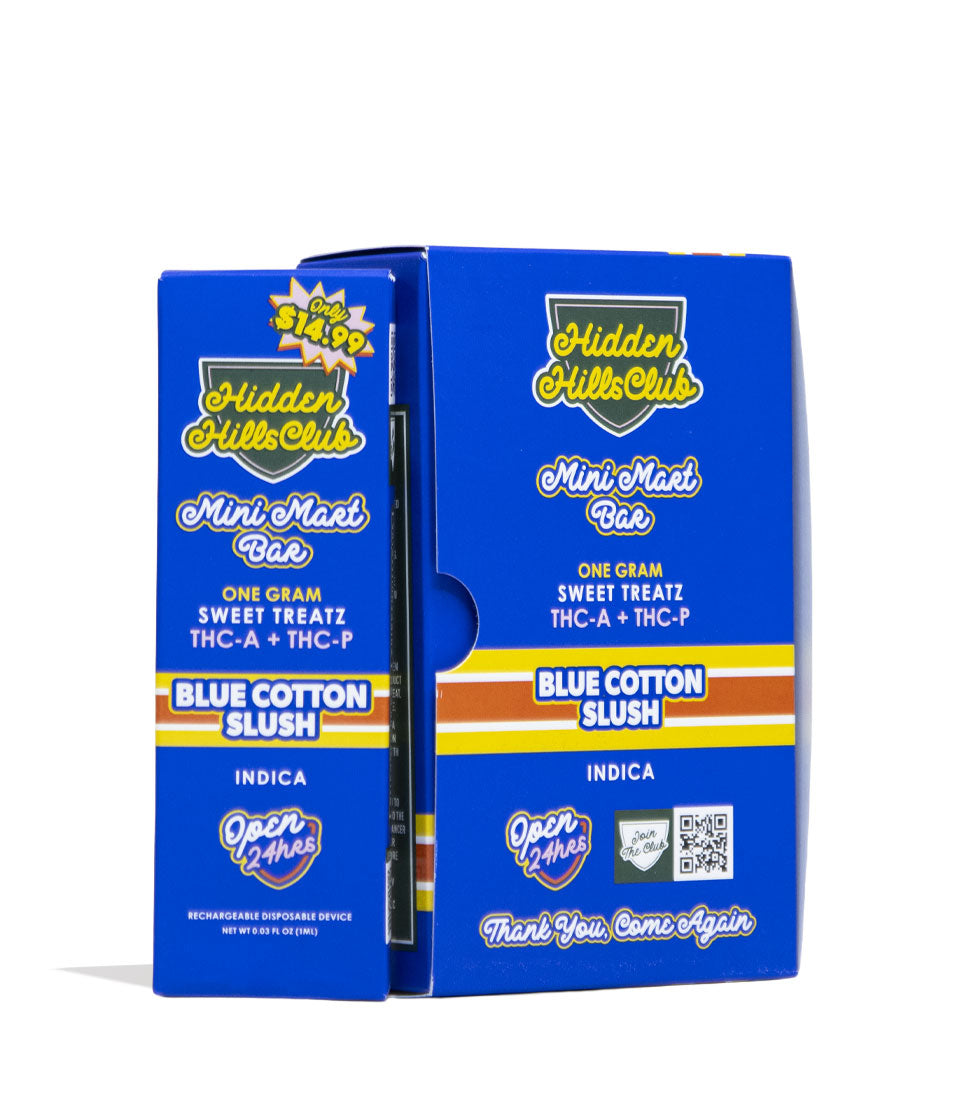
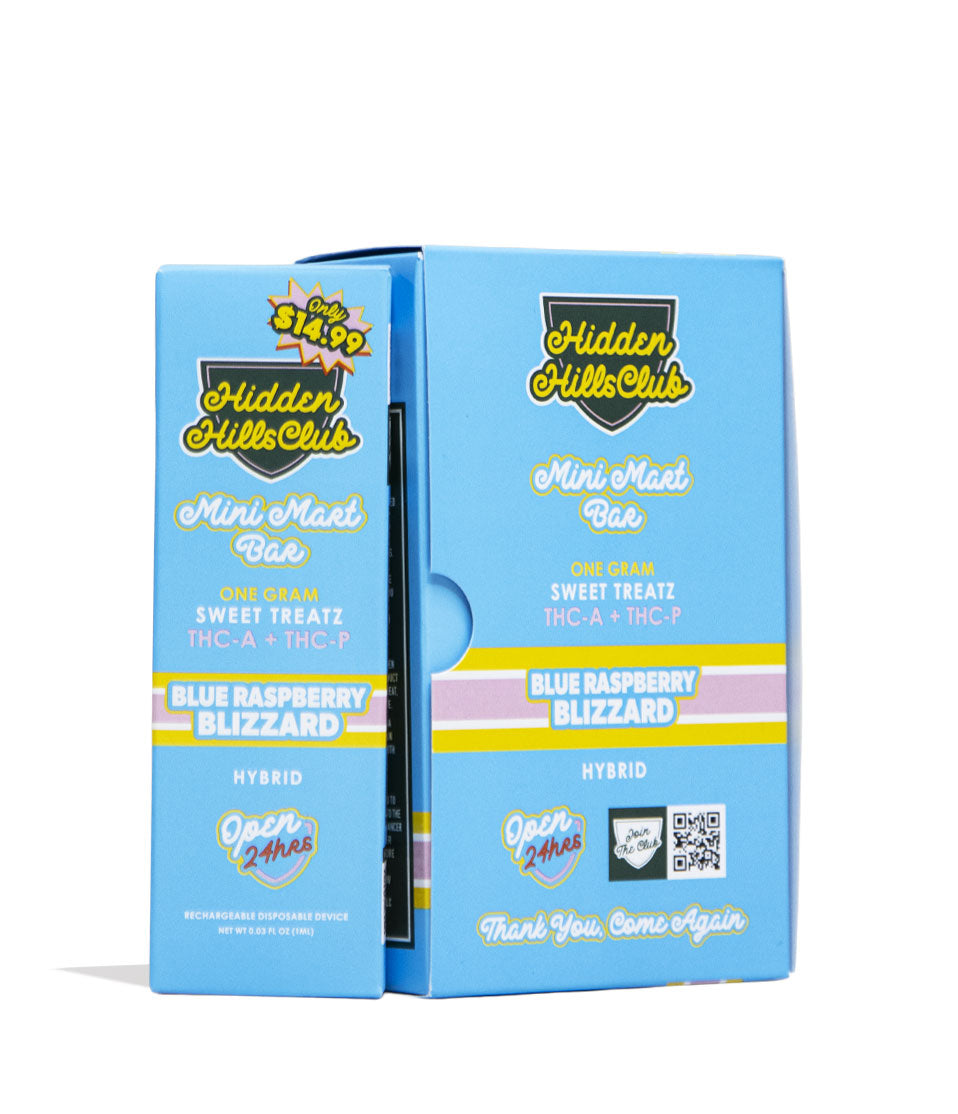
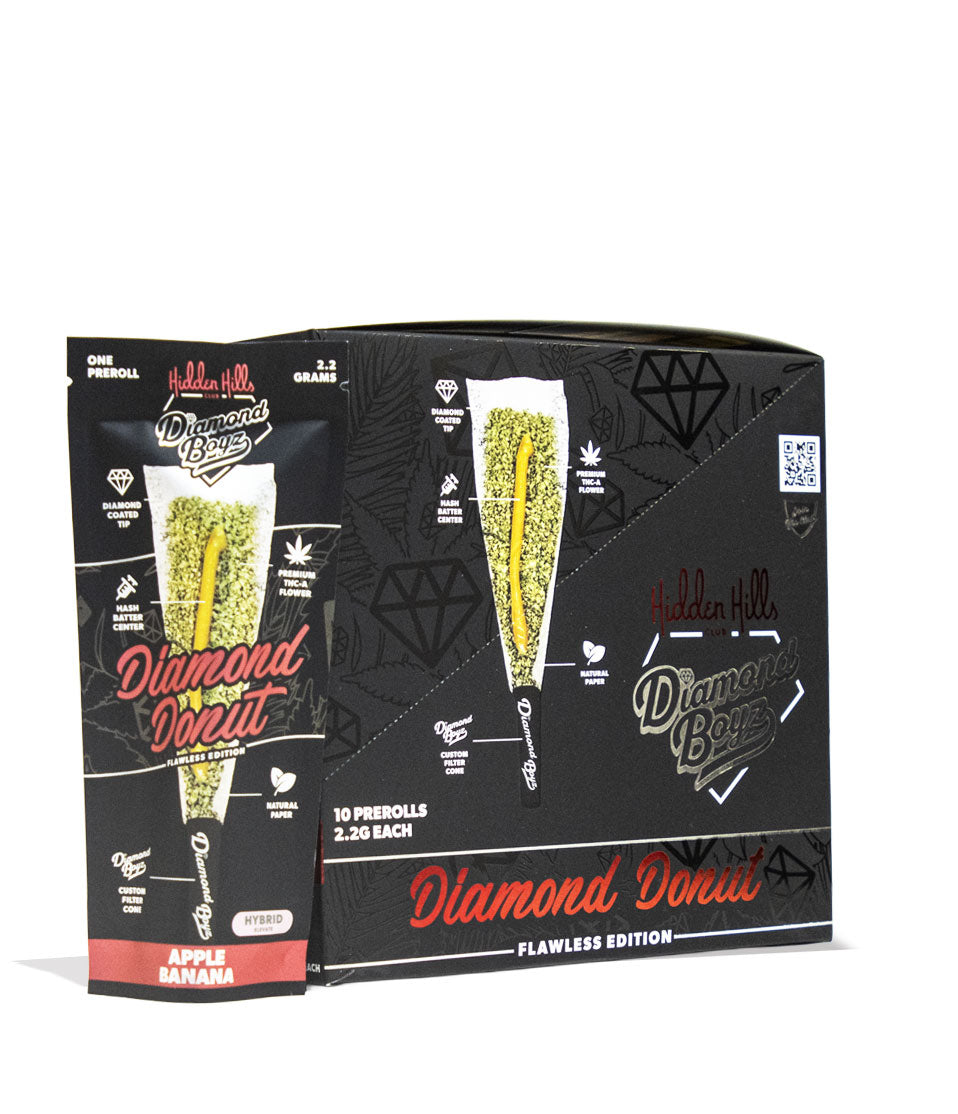
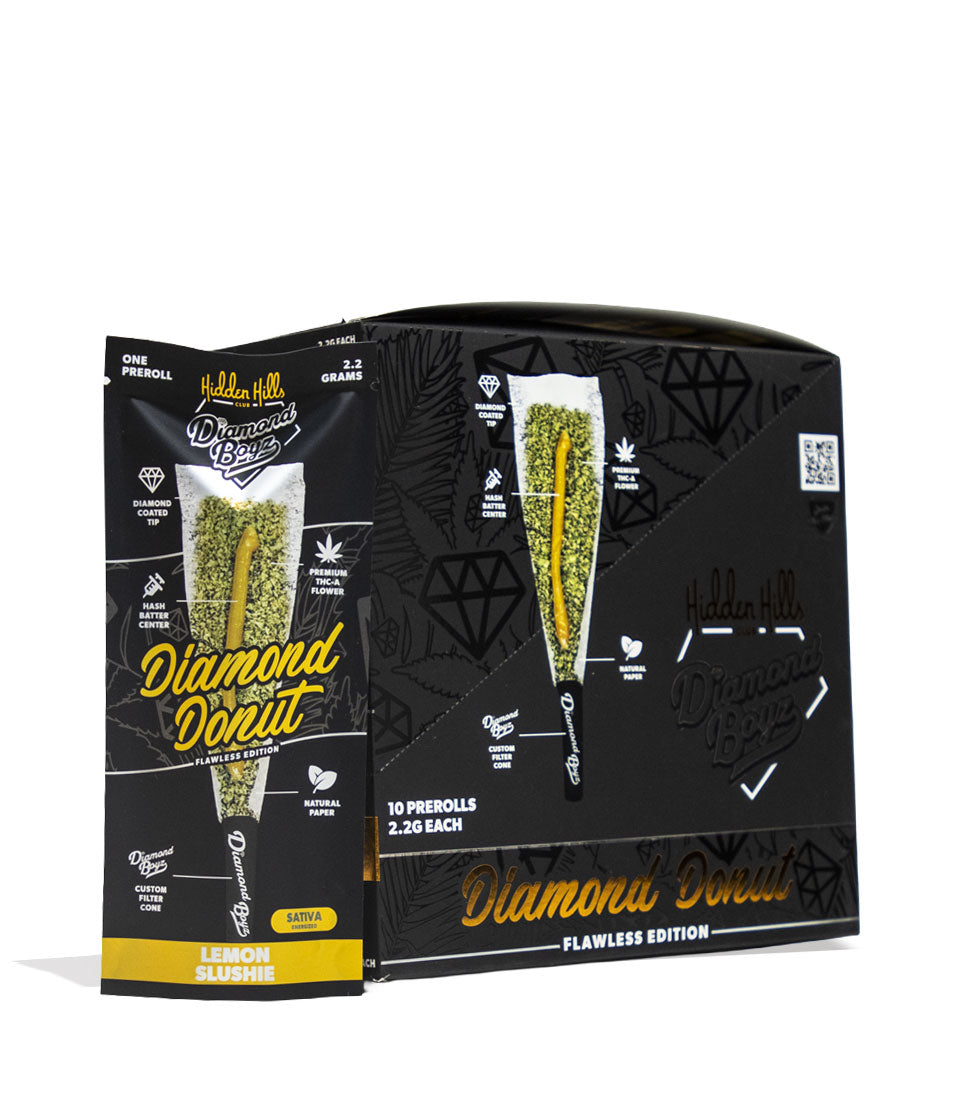
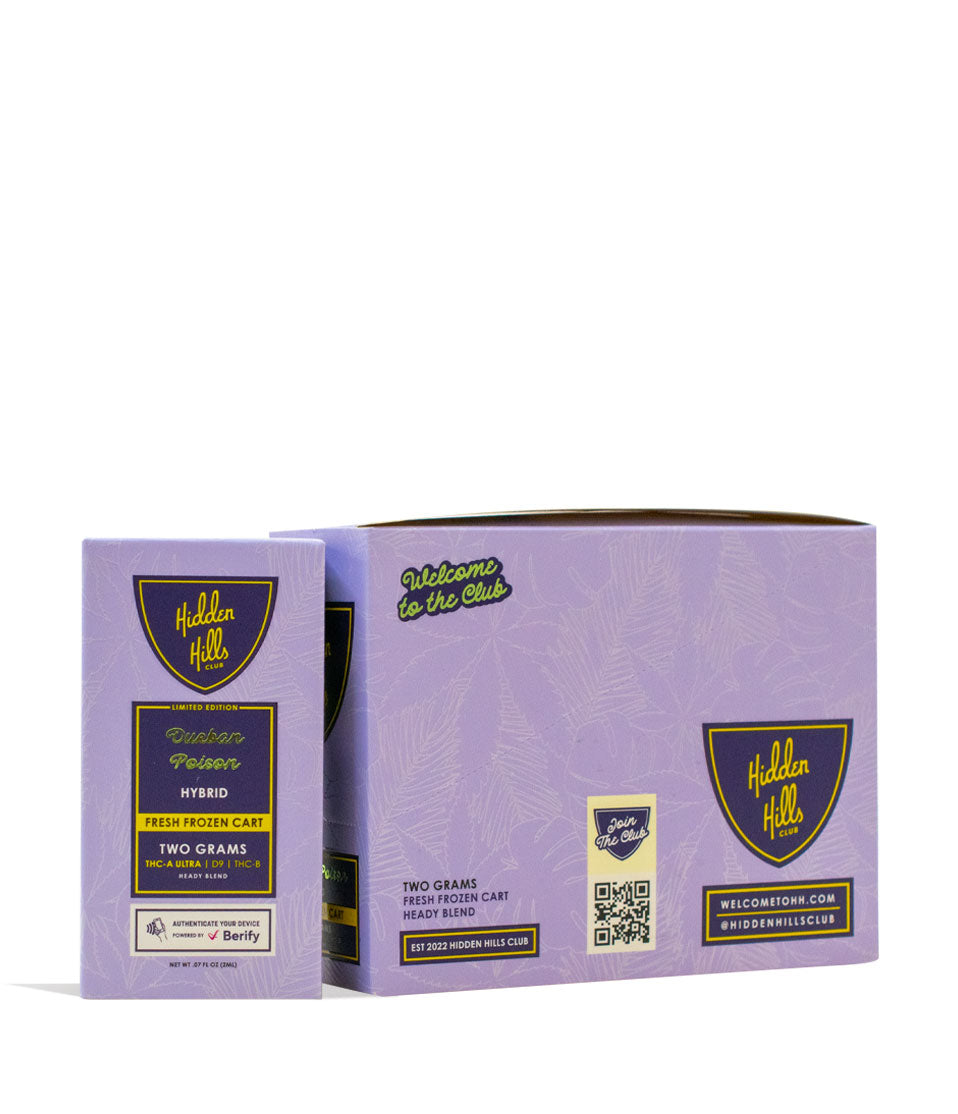
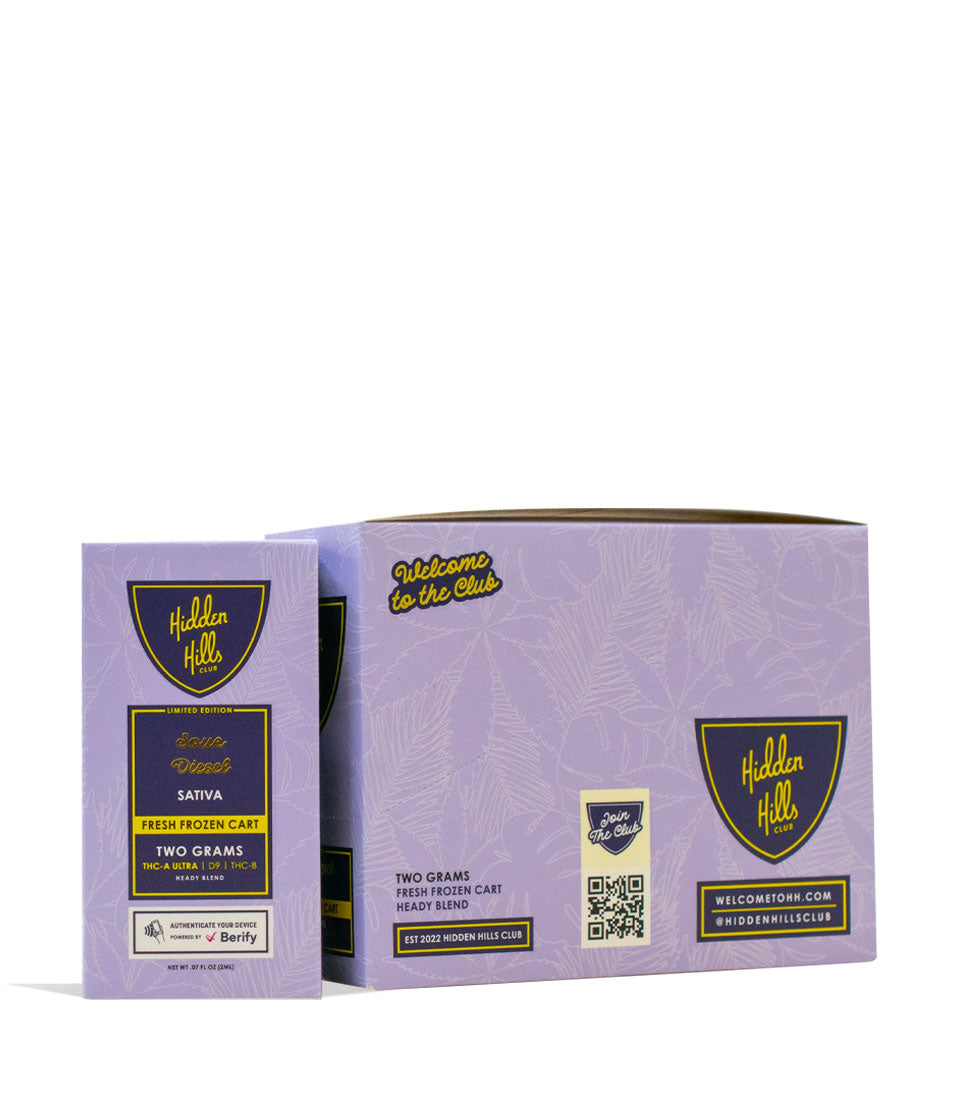
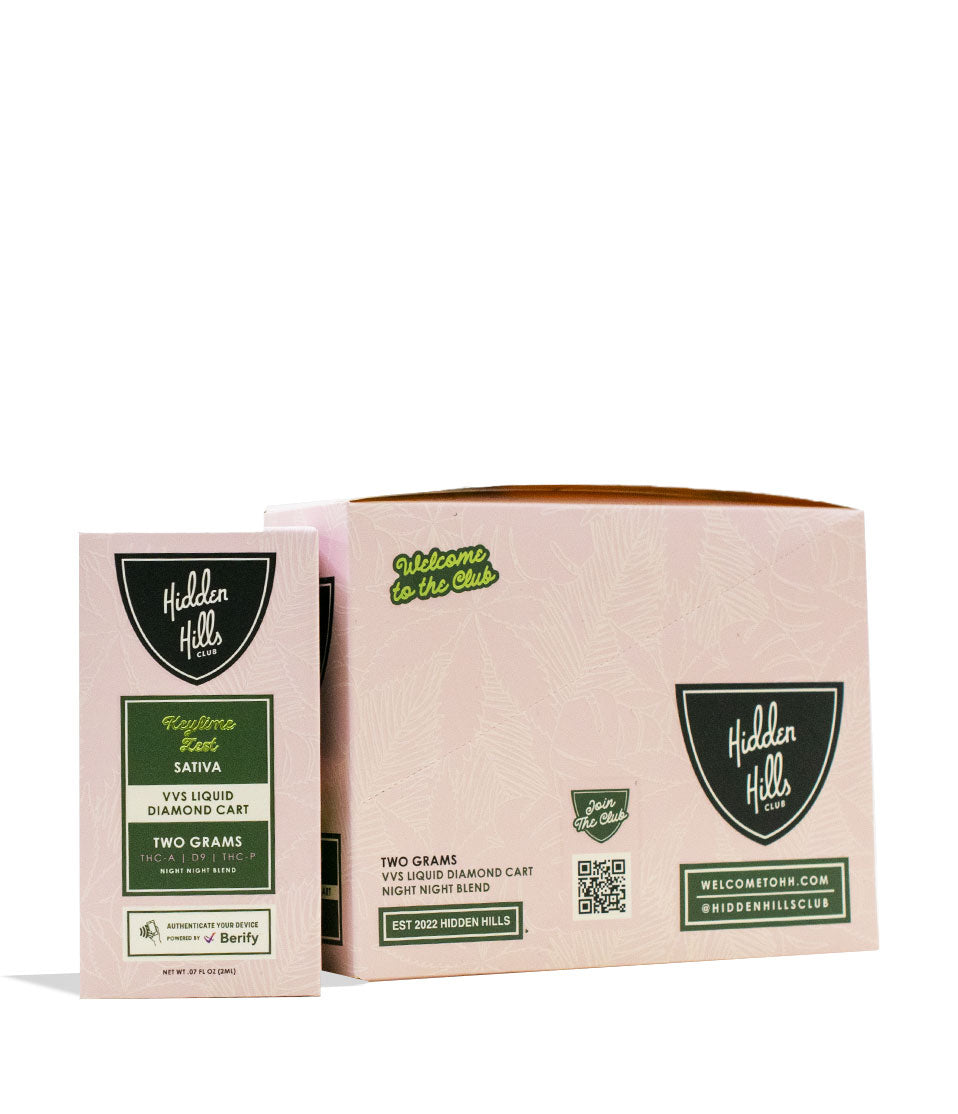
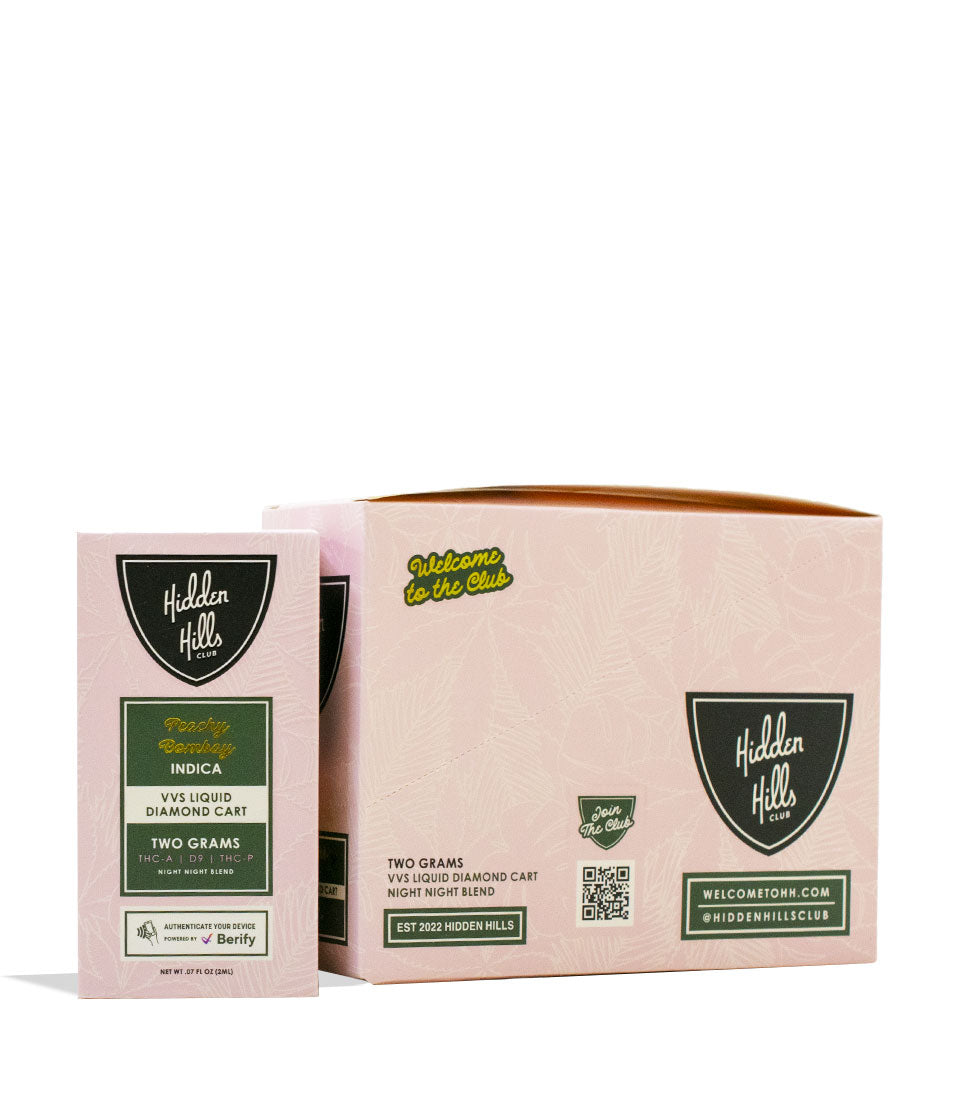
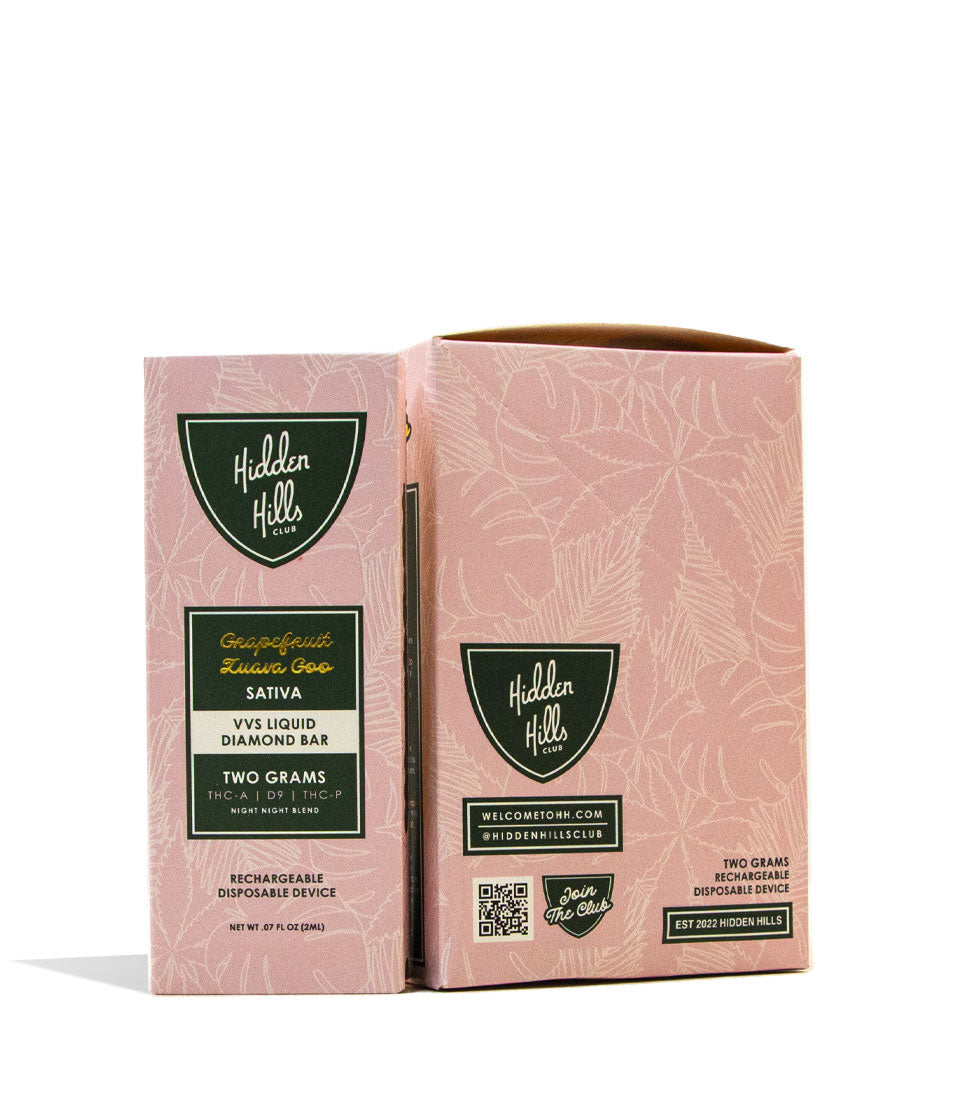
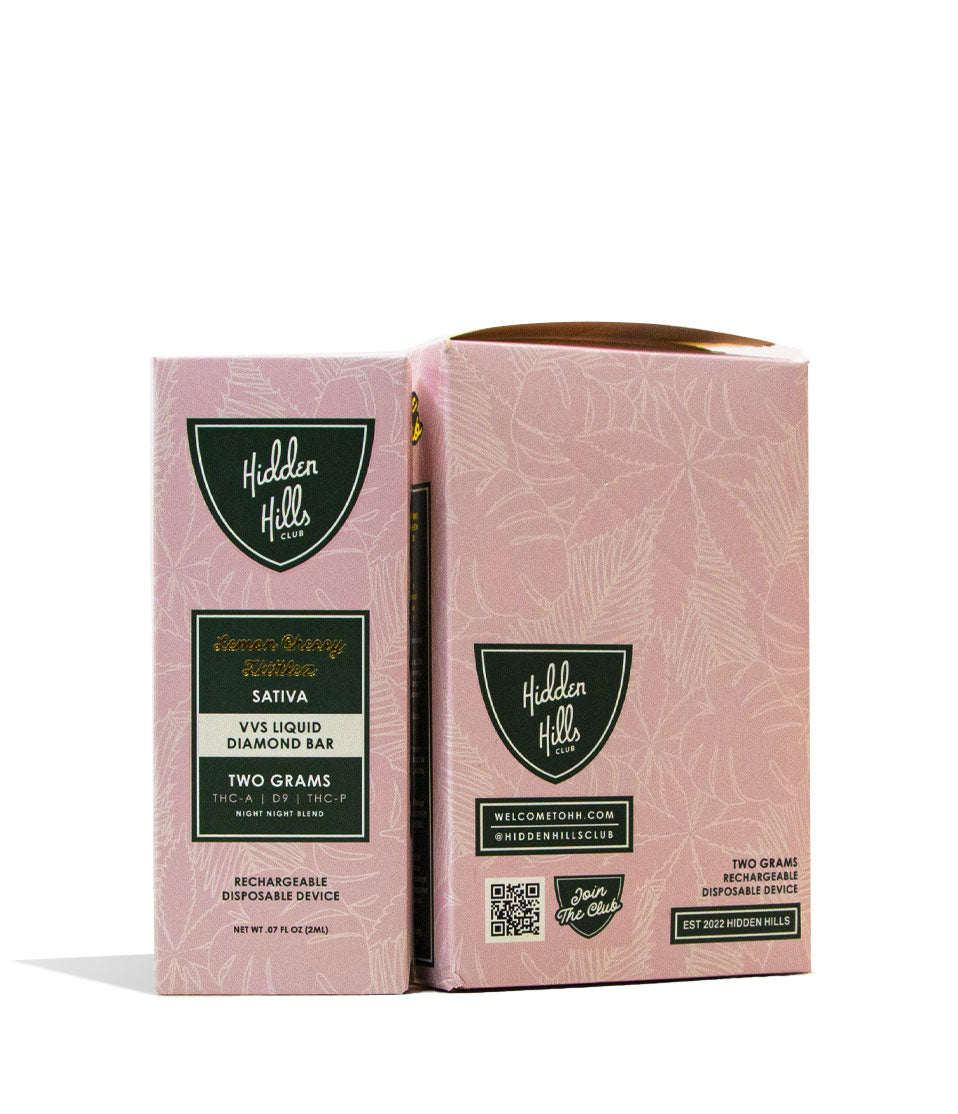
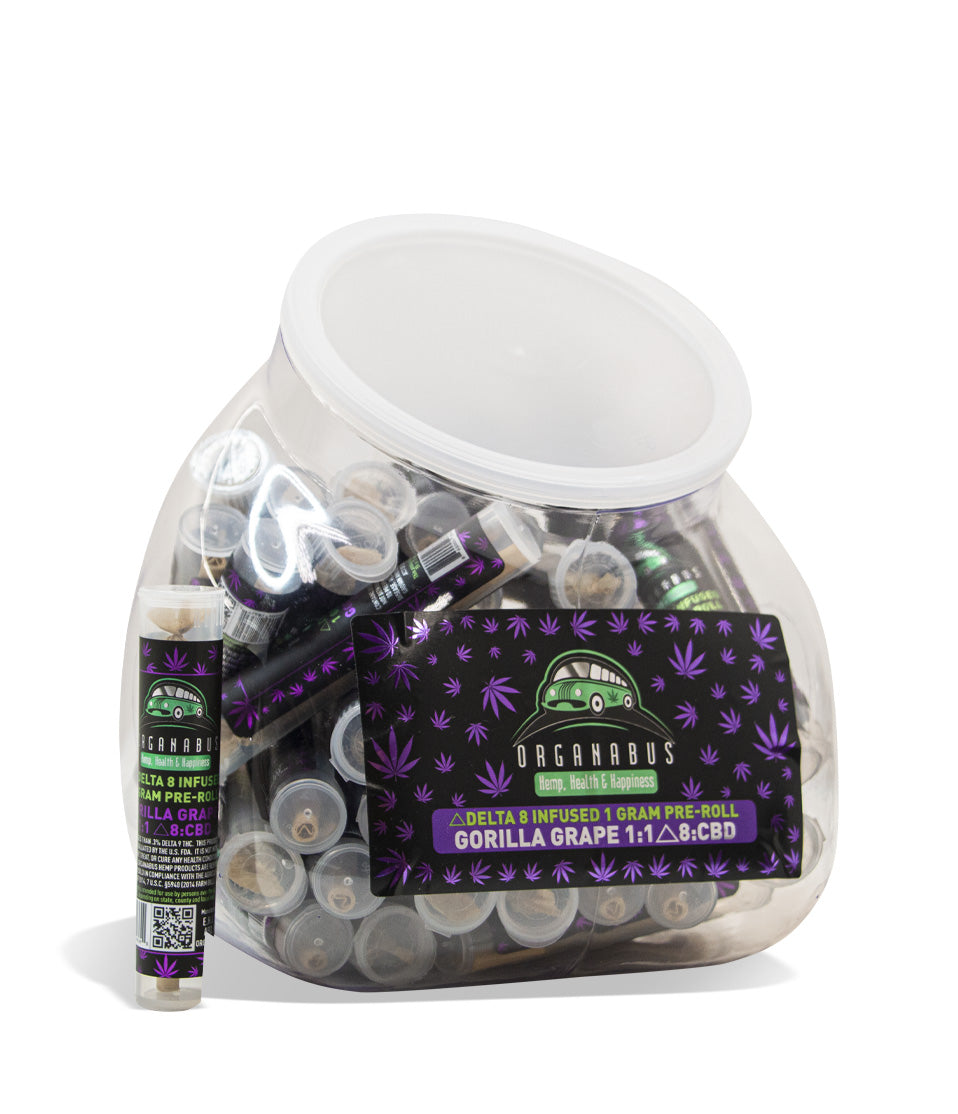
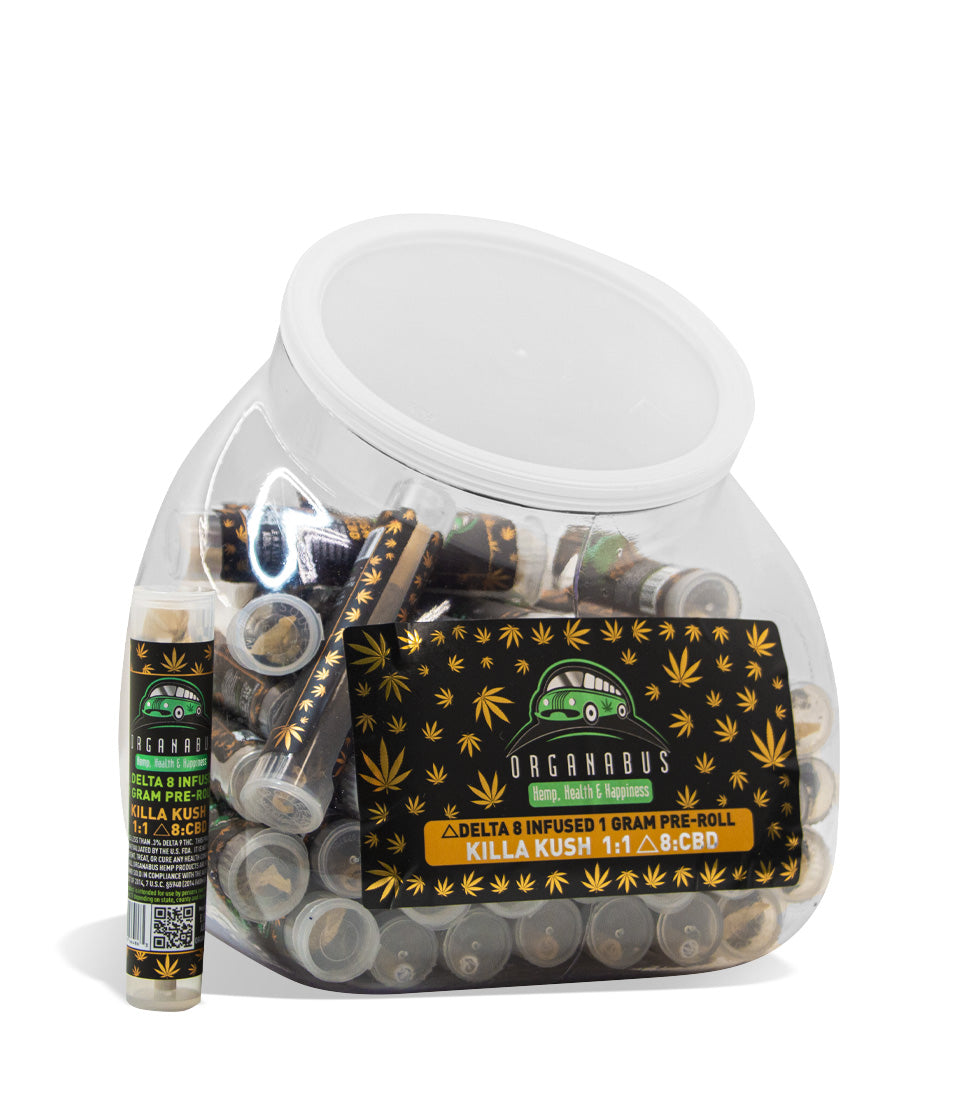
Stock up on the products featured throughout this guide, ready to add to your next wholesale order.


Compliance
Compliance Guide
The guide ahead expands on the compliance context, retailer considerations, and the practical details that matter to wholesale buyers.
For a few years, every conversation about the future of CBD seemed to circle back to the Farm Bill. The 2023 cycle was supposed to settle the open questions that had left smoke shops guessing, from delta-8 rules to how the FDA would treat CBD. It is worth looking back at what the Farm Bill was meant to do and how the federal picture actually turned out, because the outcome was very different from what many in the industry expected.
What the Farm Bill Is
The Farm Bill is a large federal law that Congress renews roughly every five years. It covers a wide range of agriculture policy, but for smoke shops the important part is hemp. The 2018 Farm Bill legalized hemp containing no more than 0.3 percent delta-9 THC by dry weight, and that single provision created the legal market for CBD oils, edibles, and the many hemp-derived products shops have carried ever since.
The Questions the 2023 Cycle Was Meant to Answer
By 2023, the 2018 framework had left real gaps. Delta-8 THC sat in a gray area, and the FDA had not set clear rules for CBD, even as it issued warnings about some delta-8 edibles. Retailers were operating in an uncertain market and looking to the 2023 Farm Bill, then still in drafting, to provide the clarity that was missing. At the time, some in the industry even hoped the bill might loosen the rules.
What Actually Happened
The clarity did not arrive the way the industry hoped. The 2023 Farm Bill was repeatedly extended rather than passed with new hemp provisions, leaving the questions unresolved for years. When decisive federal action finally came, it went in the opposite direction. A federal hemp law signed in November 2025 redefined hemp using a total THC standard and capped products at a strict per-container limit, with major provisions taking effect in late 2026.
In other words, the speculation that the limit might rise and the market might expand did not pan out. The federal definition tightened, and a large share of hemp-derived THC products now face being reclassified out of legal hemp.
What This Means for Your Smoke Shop
The practical takeaway is to plan around the federal hemp changes phasing in through 2026 rather than any hoped-for loosening. Keep your testing and labeling standards tight, sell through current inventory thoughtfully, and stay close to your state’s rules, which can add requirements on top of federal law. The lesson of the past few years is that hemp policy can move quickly and not always in the direction the industry expects.
This is general information, not legal advice, so confirm the current federal and state requirements for your products with your own counsel before you stock or sell.
Thanks for stopping in with the Got Vape Wholesale crew. For more compliance updates and business guidance, explore the rest of our guides over at the Got Vape Wholesale Resource Center.
Frequently Asked Questions
Compliance FAQs
Answers to the questions buyers ask most, plus how to put each one to work in your next inventory decision.
What is the Farm Bill and why does it matter for hemp?
What was the 2023 Farm Bill supposed to do?
Did the 2023 Farm Bill raise the THC limit?
What actually happened with federal hemp rules?
What should my shop do now?
GVWS Trust Center
About This Resource
Here is how the GVWS editorial team builds, checks, and keeps this retailer resource current for the buyers who rely on it.
Editorial Standards
- Written for the owners, buyers, and purchasing teams who stock independent shops.
- Edited for clarity, accuracy, and the kind of value you can act on at the counter.
- Grounded in current manufacturer specifications and product documentation wherever it is available.
- Revisited whenever products, regulations, category trends, or market conditions shift.
- Backed by more than two decades of wholesale distribution experience.
- Aimed at sharper inventory decisions for retailers, never end consumer purchasing advice.
Research Methodology
This compliance resource is general retailer education, drawn from public information, industry documentation, and our own wholesale operating experience. Treat it as a starting point for understanding the key considerations, not as legal advice.
- Publicly available regulatory and compliance information
- Industry documentation and policy references
- Wholesale operating considerations
- Retailer-facing risk and process awareness
- Product category relevance where applicable
- An editorial pass for clarity and usefulness
- Not legal advice; consult qualified counsel when it matters
Supporting Sources
Any sources behind this resource are listed here so retailers can trace the guidance and verify it for themselves.
Article Information
Intended Audience
- Independent Smoke Shops
- Vape Retailers
- Licensed Dispensaries
- Convenience Retailers
- Wholesale Buyers
- Purchasing Teams
Editorial Policy
The GVWS crew revisits these resources on a regular schedule so the guidance keeps pace with the market. As product specifications, regulations, category trends, or market conditions move, we refresh the article and stamp it with a new review date. Backed by more than two decades of serving independent retailers.
Continue Your Retailer Education
Related Resources
Keep building your edge with related GVWS resources, each picked to sharpen your inventory, category, and purchasing calls.
Compliance
The federal government has just closed the 2018 Farm Bill loophole that allowed for the existence of the legal hemp market. Fin...
Read Resource →
Compliance
The peace of the 2018 Farm Bill is under attack! That's right Got Vape Wholesale has gone out and gotten you all of the freshes...
Read Resource →
Compliance
Heads up! The US Senate just dropped it's pursuit of a hemp ban in regards to the 2018 Farm Bill, saving the entire legal marke...
Read Resource →
Compliance
The STATES Act 2.0, by removing cannabis from the federal Controlled Substances Act (CSA), brings significant benefits to your ...
Read Resource →